


 Language
 English
 Deutsch
 日本語
日本語 Inquiry
Don't hesitate to send a message
Yongkang Funansheng Industry & Trade Co., Ltd.

+86-579-87301950

Industry News
Salt and Pepper Grinders: Maintenance, Cleaning, Storage
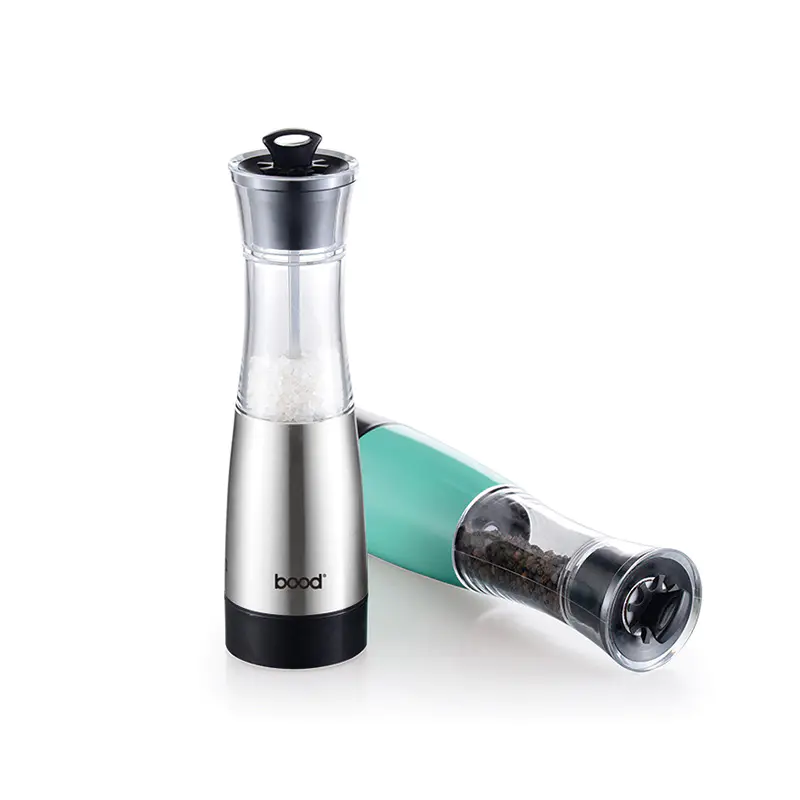 Salt and pepper grinders sit quietly on kitchen counters, dining tables, and restaurant stations, doing their job without much fanfare. They look like simple tools from the outside, but their internal parts come into regular contact with salt crystals, peppercorns, moisture, oils, and stray food particles day after day.
Over time, all of that can build up around the grinding area and start affecting how smoothly the grinder actually works. Cleaning ends up being part of ordinary grinder care, the same way anyone rinses out a cutting board or wipes down a stovetop.
The process isn't identical across every model, since different grinders use different materials, structures, and operating methods. A manual grinder tends to be easier to open up, while an electric or gravity-operated design may have extra parts that really shouldn't get anywhere near water.
Knowing how a particular grinder is built helps someone clean it without accidentally disturbing the internal mechanism in the process. For a Salt Grinder Manufacturer or Pepper Grinder Manufacturer, easy maintenance can be a real part of product design, not an afterthought. A grinder that's simple to empty, wipe, inspect, and put back together fits a lot more naturally into an everyday kitchen routine.
Why Salt and Pepper Grinders Need Regular Cleaning
Salt and pepper behave pretty differently once they're inside a grinder. Salt attracts moisture easily, especially in a humid kitchen where steam from cooking hangs around. Peppercorns carry natural oils that gradually settle onto internal surfaces the more the grinder gets used.
Small fragments also tend to collect around the grinding mechanism after enough repeated use. All of this affects the grinder's condition over time in ways that aren't always obvious until the grinder starts feeling harder to turn.
| Residue | Where It May Appear | Cleaning Consideration |
|---|---|---|
| Salt particles | Grinding area and container | Keep the area dry |
| Pepper fragments | Grinding mechanism | Remove loose particles |
| Pepper oils | Internal surfaces | Wipe according to care instructions |
| Dust | Exterior and openings | Use a suitable dry cleaning method |
| Food residue | Around the opening | Remove before storage |
Regular cleaning doesn't need to turn into a whole production. The point is just clearing out loose material before it gets harder to reach later on. A clean grinder also makes it a lot easier to tell whether a problem is coming from the seasoning itself or from something going on with the mechanism.
That distinction matters when a grinder starts producing an uneven grind or feels stiffer to twist than it used to.
How to Prepare a Grinder Before Cleaning
Preparation really depends on how the specific grinder is built. The safest move is checking the manufacturer's care instructions before taking anything apart, since forcing something open that wasn't meant to come apart can cause real damage.
If the grinder has a removable container, emptying it first makes the whole cleaning process go a lot smoother. Any leftover salt or pepper should be kept well away from cleaning materials so nothing gets contaminated.
A basic preparation process can include the following steps:
- Remove the remaining seasoning where the design allows it.
- Separate removable parts only if the instructions actually permit this.
- Place small components in a clean, dry area where they won't roll away.
- Check the grinding section for any visible residue buildup.
- Prepare a dry cloth or other suitable cleaning tool ahead of time.
The grinder shouldn't get forced open under any circumstances. Some products are built to stay assembled permanently, while others include removable sections specifically for maintenance. Knowing which category a grinder falls into prevents unnecessary damage down the line.
A Portable Pepper Grinder tends to get handled a lot more often, since people carry it between the kitchen, the dining table, a picnic blanket, or a suitcase. For this kind of product, simple cleaning habits and secure storage matter even more than usual.
Can Salt Grinders Be Cleaned With Water?
Water calls for real caution when it comes to cleaning a salt grinder. Salt already reacts to moisture on its own, and wet conditions can make any remaining salt particles behave unpredictably once they're inside a damp mechanism.
Moisture can also be genuinely unsuitable for certain grinding components that were never designed to get wet. For a lot of grinder designs, a dry cleaning method works better for the internal area than reaching for a sponge.
A soft, dry cloth works fine on accessible surfaces when the manufacturer actually recommends it. Loose particles can sometimes get shaken or brushed away from the right area without introducing any water at all.
| Grinder Area | General Cleaning Approach |
|---|---|
| Exterior | Wipe with a suitable cloth |
| Dry seasoning container | Empty and clean according to instructions |
| Grinding area | Remove loose particles carefully |
| Sealing area | Keep free from residue |
| Electrical section | Keep dry and follow product instructions |
If a manufacturer specifically says certain components are washable, those parts can get cleaned following whatever instructions came with the product. They need to be fully dry before going back together, since reassembling a damp part can trap moisture right where it causes problems.
Nobody should assume every grinder can just get rinsed under the tap. Internal construction varies a lot more between products than it might look like from the outside.
How to Clean a Pepper Grinder Without Damaging the Grinding Mechanism
Pepper grinders usually contain a grinding mechanism that needs to stay properly positioned to work right. Cleaning should focus on clearing loose particles without forcing anything or scraping at delicate areas that could get scratched or bent.
Start by emptying out the peppercorns if the design allows for that. Loose fragments sitting around the opening can then get removed using whatever dry cleaning method suits the product. If the grinding section itself is accessible, it's worth following the specific product instructions for that area rather than winging it.
| Cleaning Step | Purpose |
|---|---|
| Empty peppercorns | Creates access to the container |
| Remove loose fragments | Clears the surrounding area |
| Wipe accessible surfaces | Removes residue |
| Inspect the grinding area | Helps identify buildup |
| Reassemble carefully | Maintains normal operation |
Pepper residue can sometimes linger around the grinding section just because the particles involved are so small. Trying to dig out stubborn material with something sharp risks scratching or damaging the mechanism underneath. Gentle cleaning usually gets the job done without that risk.
A Pepper Grinder Manufacturer can make this whole process easier by designing genuinely accessible areas and including clear maintenance instructions with the product. Good design helps people understand which parts are fair game to remove and which should really stay untouched.
How to Clean a Salt and Pepper Gravity Grinder
A Salt and Pepper Gravity Grinder can work quite differently from a traditional manual grinder. The product might respond to movement or a change in position rather than needing the usual twisting motion, which changes the internal structure in ways that affect cleaning too.
The cleaning method should follow whatever the specific design actually calls for, rather than assuming it behaves like a standard manual grinder just because it looks similar on a shelf.
Before cleaning, it helps to remove the seasoning where possible and figure out which components are actually removable. The exterior can usually get wiped down according to the material and whatever care instructions came in the box. Internal areas should stay dry unless the manufacturer specifically says washing is fine.
| Area | Care Focus |
|---|---|
| Outer housing | Remove surface residue |
| Seasoning chamber | Empty before cleaning |
| Grinding section | Clear loose particles carefully |
| Operating section | Follow product-specific instructions |
| Closure area | Check for remaining salt or pepper |
Gravity-operated products often benefit from being stored in whatever position they're designed for, which cuts down on remaining seasoning shifting around unnecessarily inside the product. If the grinder starts behaving oddly after a cleaning, it's worth checking whether every removable component actually got put back correctly.
Incorrect reassembly can genuinely throw off normal operation, so this is worth double-checking before assuming something's broken.
What to Do When Salt or Pepper Gets Stuck
Stuck seasoning is a pretty common maintenance headache. Salt can compact when moisture reaches the container, turning into a solid clump that resists grinding. Pepper fragments can also build up around a grinding area after enough repeated use over weeks or months.
The temptation is usually to just force the grinder harder until whatever's stuck breaks apart. That approach puts unnecessary stress on the mechanism, though, and can turn a small annoyance into a bigger repair problem. A gentler process works better here.
If possible, empty the grinder out and clear away loose material by hand. Let accessible areas stay dry rather than reaching for water right away. Use whatever cleaning method the product recommends to loosen up residue without applying excessive force.
| Situation | Suitable Response |
|---|---|
| Loose particles | Remove gently |
| Compact salt | Empty and clean according to instructions |
| Pepper buildup | Brush or wipe accessible areas |
| Difficult mechanism | Avoid forcing it |
| Unusual operation | Inspect assembly and care requirements |
The grinder shouldn't get operated aggressively while the mechanism is blocked, since that's a good way to actually break something. If it keeps behaving strangely after cleaning, checking the manufacturer's instructions helps figure out whether more maintenance is actually needed. This approach keeps the grinder from taking unnecessary abuse just because it's temporarily stuck.
How Often Should Salt and Pepper Grinders Be Cleaned?
There's no single cleaning schedule that fits every grinder out there. How often it needs attention depends on how frequently it gets used, what kind of seasoning it holds, and what the surrounding kitchen environment is actually like.
A grinder used every single day at dinner probably needs more frequent attention than one that comes out occasionally for special meals. A humid kitchen also creates different conditions than a dry pantry shelf tucked away from the stove.
| Usage Pattern | Maintenance Approach |
|---|---|
| Frequent daily use | Check regularly for residue |
| Occasional use | Clean when buildup becomes visible |
| Humid environment | Pay attention to moisture |
| Travel use | Inspect after transport |
| Shared kitchen use | Maintain a consistent care routine |
Nobody needs to do a full deep clean after every single use — a quick glance is usually enough to spot whether residue is starting to build up somewhere. Emptying and cleaning the grinder before putting it away for a long stretch is worth doing too, since seasoning left sitting inside for a long time can get a lot harder to remove later.
For a Salt Grinder Manufacturer, building products around practical cleaning routines helps people actually keep up with maintenance instead of it turning into a chore nobody wants to deal with.
How to Keep a Portable Pepper Grinder Clean During Travel
Travel changes how any kitchen accessory gets handled, and a pepper grinder is no exception. A Portable Pepper Grinder might end up tossed in a bag, moved between locations, or used outdoors at a picnic or campsite. That exposes it to crumbs, dust, moisture, and contact with whatever else is rattling around nearby.
Keeping the grinder separate from messier items in a bag cuts down on unnecessary contamination. A small storage pouch or a clean container can help protect the exterior during the trip too.
| Travel Situation | Useful Care Habit |
|---|---|
| Packed in a bag | Keep the grinder protected |
| Outdoor meal | Wipe the exterior afterward |
| Humid environment | Keep the grinder dry |
| Frequent transport | Inspect the closure |
| Long storage | Empty seasoning when appropriate |
The grinder should get stored according to however it's actually designed to sit. If a product needs a specific orientation for storage, it's worth following the manufacturer's guidance on that rather than just tossing it in wherever it fits.
Travel also creates more chances for caps or removable sections to work themselves loose. Checking these parts before zipping the grinder into a bag can prevent seasoning from spilling out across everything else packed nearby. Simple habits like this make portable grinders a lot easier to keep in good shape over time.
What Design Features Help Manufacturers Make Grinders Easier to Clean
Cleaning starts back at the design stage, long before a grinder ever reaches a kitchen counter. A Salt Grinder Manufacturer can think about maintenance while choosing the shape of the container, where the grinding mechanism sits, and how accessible any removable parts actually are.
The same goes for a Pepper Grinder Manufacturer building products meant for home kitchens, restaurants, travel, or retail shelves. A user-friendly structure doesn't necessarily need more parts bolted onto it — in some cases, fewer unnecessary openings actually make cleaning simpler. Accessible surfaces also cut down on how much residue ends up hiding in spots nobody can reach.
| Design Area | Maintenance Consideration |
|---|---|
| Container opening | Easy filling and emptying |
| Grinding area | Accessible for appropriate cleaning |
| Outer surface | Simple to wipe |
| Closure | Secure and easy to handle |
| Removable parts | Clear assembly and cleaning process |
Manufacturers can also include genuinely practical care information alongside the product itself. Instructions should spell out which components can be washed, which need to stay dry, and how removable parts go back together correctly. Clear guidance cuts down on guesswork and helps prevent people from reaching for cleaning methods that could actually damage the grinder.
For products headed to different markets, simple instructions make maintenance easy to follow without piling on unnecessary complexity that nobody's going to read anyway.
How Proper Storage Helps Keep Grinders in Good Condition
Cleaning and storage work together as a pair, not as separate concerns. A grinder that gets cleaned well and then placed somewhere damp can pick up moisture again almost immediately, undoing all that effort.
Salt and pepper need storage conditions that actually suit the product they're sitting in. The container should be closed properly whenever the grinder isn't actively being used. For portable models especially, the grinder also needs protection from unnecessary pressure or getting knocked around in transit.
A simple routine built around three actions tends to work well:
- Empty or inspect the grinder when it makes sense to do so.
- Clean accessible surfaces following whatever care instructions apply.
- Store the product somewhere clean and dry, away from steam or splashes.
These habits work just as well for manual grinders as they do for a Salt and Pepper Gravity Grinder. They also help someone notice small changes in how the grinder's behaving before a minor issue turns into something a lot harder to fix. A clean, properly assembled grinder ends up easier to use and easier to keep an eye on through the ordinary back-and-forth of a busy kitchen.
Recommended Products
-
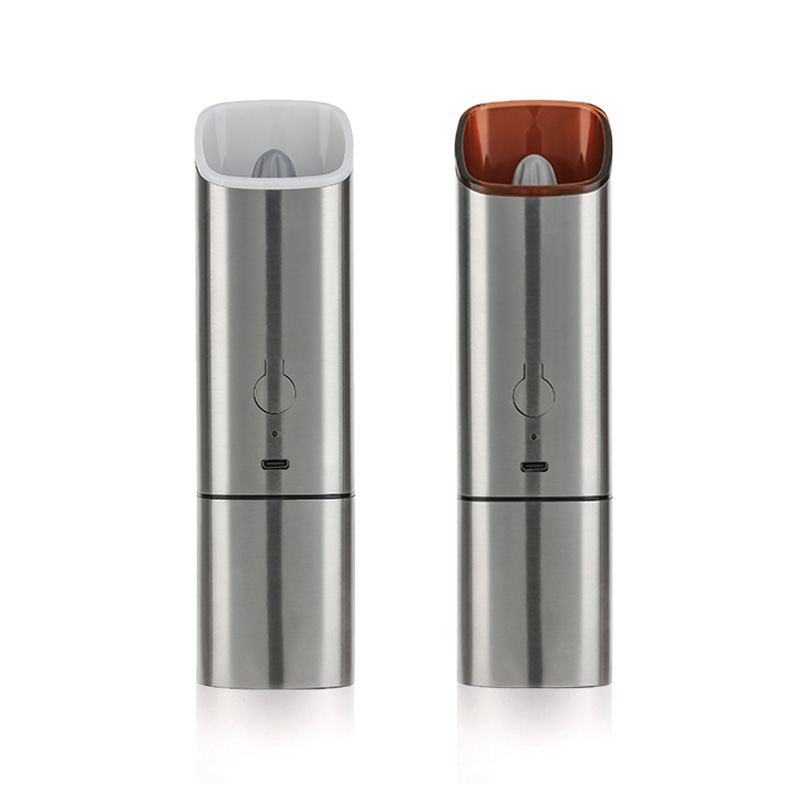 CH-01
CH-01USB Rechargeable Electric Salt Pepper Grinder
-
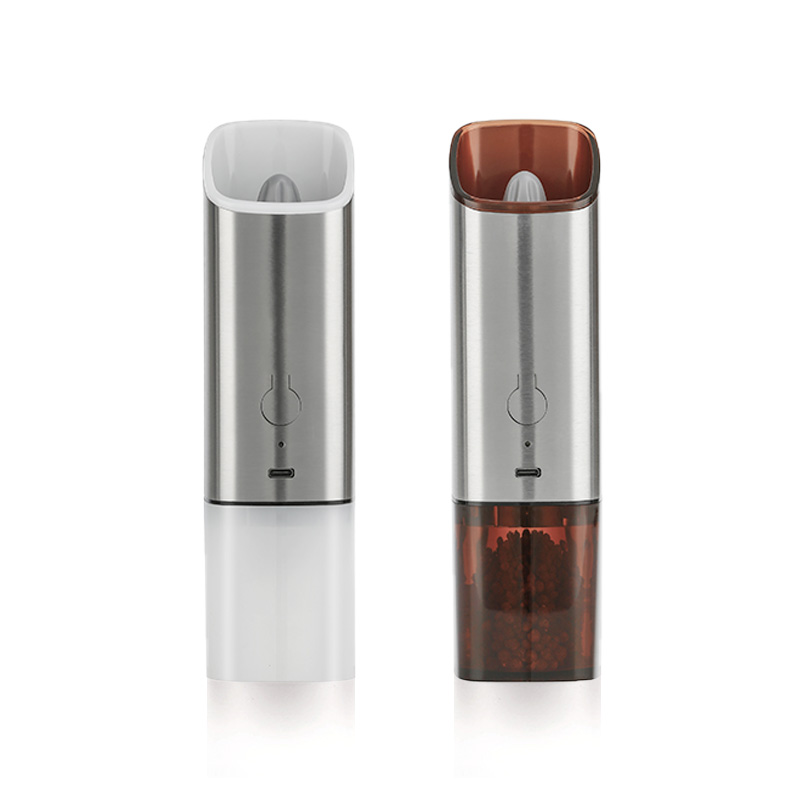 CH-01P
USB Rechargeable Electric Salt And Pepper Mill Set
-
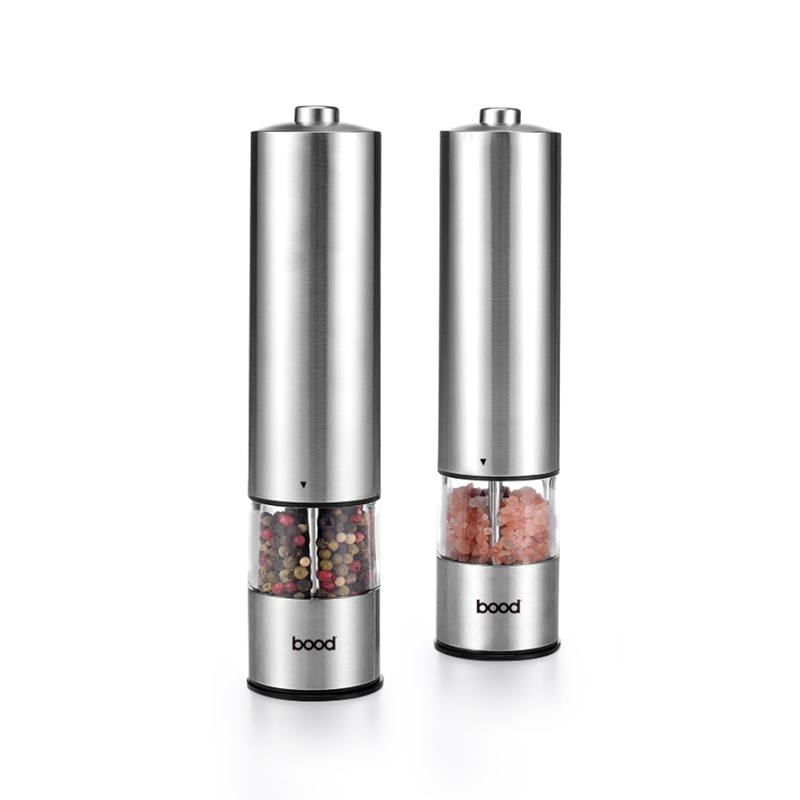 DH-00
DH-00Classy Design Electric Pepper Mill With Stainless Steel Body
-
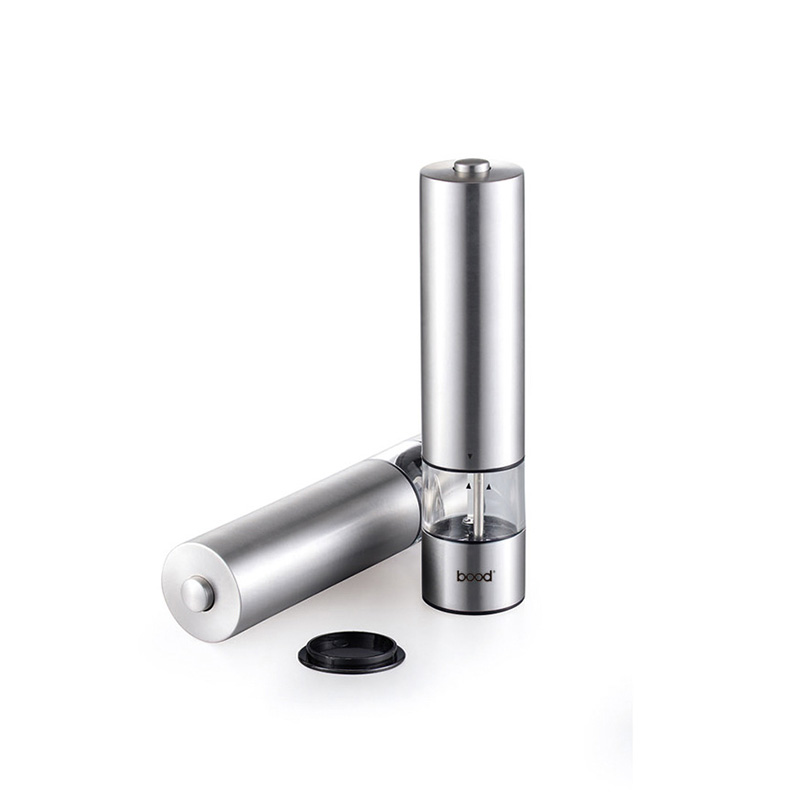 DH-01
DH-01Classic Electric Stainless Steel Salt And Pepper Grinder
-
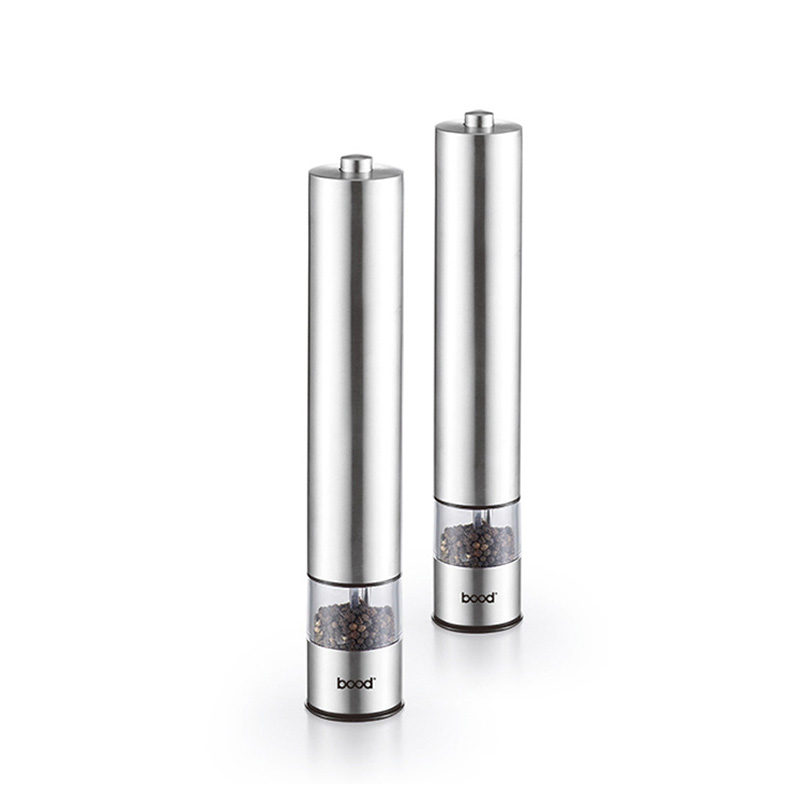 DH-01C
Electric Tall Salt and Pepper Mill Grinder with Flat Head
Copyright © Yongkang Funansheng Industry & Trade Co., Ltd.

China Pepper Grinder