


 Language
 English
 Deutsch
 日本語
日本語 Inquiry
Don't hesitate to send a message
Yongkang Funansheng Industry & Trade Co., Ltd.

+86-579-87301950

Industry News
What Makes Gravity Electric Salt and Pepper Mill Practical
Grinding salt and pepper by hand is a familiar kitchen task, but it isn't always convenient when both hands are busy with cooking. A Gravity Electric Salt and Pepper Mill changes that routine by combining electric grinding with a simple movement-based operation. Turn or tilt the mill, and the grinding process can begin without requiring a separate button press.
This type of kitchen tool is designed around convenience, rather than complicated operation buried in a manual. It can prove useful during meal preparation, at the dining table, or whenever a cook wants to season food with one hand while the other stirs a pot.
Still, convenience alone doesn't determine whether an electric mill is genuinely worth buying. Buyers also need to consider grinding control, battery use, cleaning, storage, handling, and the price of the product. The right choice depends on how often the mill will actually get used and which features genuinely matter in everyday cooking.
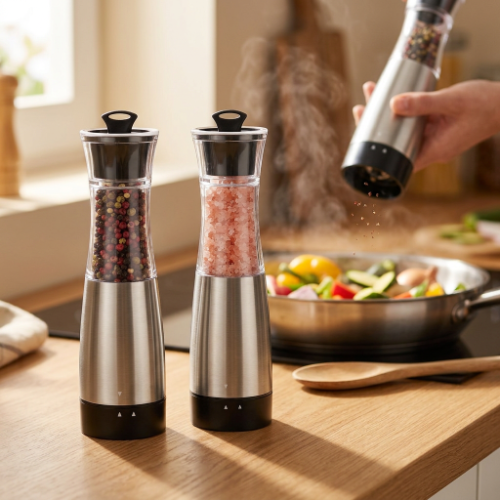
What Is a Gravity Electric Salt and Pepper Mill?
A Gravity Electric Salt and Pepper Mill is an electric seasoning grinder that can start grinding when the product gets tilted or turned into its operating position. Traditional mills usually require the user to twist a grinding mechanism by hand, over and over.
An electric model removes that physical step and uses a motor to perform the grinding instead. The gravity-based operation adds another layer of convenience on top of that. Instead of searching for a button while holding a pan, spoon, or cooking utensil, the user can operate the mill through a simple change in position alone.
A typical product may include several basic parts working together.
| Component | General Function |
|---|---|
| Outer body | Provides the main grip and housing |
| Grinding section | Processes salt or pepper |
| Electric motor | Drives the grinding movement |
| Battery compartment | Supplies power for operation |
| Gravity sensor | Detects the operating position |
| Cover or base | Helps protect the grinding area |
The exact construction differs between products on the shelf, but the basic idea remains genuinely easy to understand: position the mill, and the electric grinding process handles the work from there.
Why Does One-Handed Operation Matter in the Kitchen?
Cooking often involves several tasks happening at the same time. A person may be stirring a sauce while adding seasoning at the same moment. Another hand may be holding a bowl, pan, spoon, or serving plate steady.
In these situations, using a traditional pepper mill can require an extra movement that interrupts the cooking process right when timing matters. A Gravity Pepper Mill can make seasoning genuinely easier because the operation can get performed with one hand while the other stays busy.
This doesn't mean every cook needs an electric grinder sitting on the counter. Some people genuinely enjoy manual grinding and prefer the direct feel of a traditional mill in hand. Others may value the ability to season food without stopping another task mid-stride.
The difference becomes genuinely more noticeable in situations like preparing food while holding a utensil, or seasoning a dish directly over a pan on the stove. Adding pepper at the dining table matters too, along with cooking with limited counter space during a busy dinner. Serving food while making small seasoning adjustments rounds out the list worth considering.
One-handed use is therefore less about novelty for its own sake and more about reducing the number of steps involved in a genuinely familiar kitchen action repeated daily.
How Does Gravity Operation Change the User Experience?
The gravity function is one of the features that separates this product category from ordinary electric mills sold nearby. With a conventional electric grinder, the user normally needs to locate and press a control by feel, sometimes while looking elsewhere.
A gravity-operated model can respond to its position instead, skipping that step entirely. This can make the interaction feel genuinely more natural to someone mid-recipe.
The user picks up the mill, tilts it over the food, and the grinding action begins on its own. When the mill returns to its resting position, the operation can stop, depending on the specific product design chosen by the maker.
The process can get described simply as a short sequence. Pick up the mill, then position it above the food waiting below. Tilt or turn the mill next, allowing the electric grinder to operate as intended. Return the mill to its resting position once seasoning is done.
The value of this design depends on how smoothly the operation actually matches the user's cooking habits day to day. A gravity system that responds naturally can reduce unnecessary button handling during a busy stretch. A design that feels genuinely difficult to position may provide genuinely less practical value in return.
What Makes an Electronic Pepper Mill Different From a Manual Mill?
The main difference sits in how the grinding movement gets created in the first place. A manual mill depends on the user's hand to rotate or operate the grinding mechanism directly. An Electronic Pepper Mill uses stored electrical power to drive the grinding process instead.
This changes both the physical effort involved and the way the product gets handled day to day.
| Feature | Manual Mill | Electronic Pepper Mill |
|---|---|---|
| Grinding method | Hand-operated | Motor-assisted |
| One-handed use | Depends on design | Commonly supported |
| Physical effort | Requires manual movement | Requires less grinding effort |
| Power source | None | Battery or other electrical power |
| Operation | Mechanical action | Electrical operation |
| User control | Direct hand movement | Product controls and design |
Neither format has to suit every user standing at the counter. Manual mills may genuinely appeal to people who enjoy a traditional cooking experience and the tactile feel of grinding by hand. Electronic models can appeal to people who place genuinely greater value on convenience and quick operation between tasks.
The decision depends on which interaction feels genuinely more useful in that particular kitchen.
How Important Is Grinding Control?
Convenient operation is genuinely useful, but the actual seasoning result still matters just as much. Different foods may call for genuinely different amounts of salt or pepper depending on the dish.
Some cooks prefer a light layer scattered over a finished dish, while others need a genuinely larger amount worked in during preparation. A mill should therefore make it reasonably easy to control how much seasoning gets released with each tilt.
Grinding control can get influenced by several design elements working together. Grinding speed matters here, alongside opening size and operating duration. Grinding mechanism deserves attention too, along with how the user actually handles the product in practice.
A product that starts easily but releases seasoning too quickly may require extra attention from the cook to avoid oversalting. A slower grinding process may give the user genuinely more time to control the amount released in the moment.
For buyers, it's genuinely useful to think about how the mill will actually get used, rather than focusing only on the fact that it's electric on the box. The genuinely important question is whether the grinding behavior fits the user's normal cooking routine at home.
Does Battery Life Affect the Value of a Power Pepper Grinder?
A Power Pepper Grinder depends on an energy source to function, so battery use becomes genuinely part of the ownership experience over time. A product may prove convenient during daily cooking, but that convenience becomes genuinely less useful if the batteries need frequent replacement or charging.
Battery performance is therefore connected to genuinely more than the power source itself sitting in the compartment. The way the grinder gets used can influence how quickly its power supply gets consumed over weeks of use. Frequent grinding naturally creates genuinely more demand than occasional use during a quiet week.
| Battery Consideration | Why It Matters |
|---|---|
| Battery access | Makes replacement or charging easier |
| Battery compartment | Affects everyday handling |
| Power use | Influences how often maintenance is needed |
| Low-power indication | Helps users notice when attention is needed |
| Storage habits | Can affect how ready the mill is for use |
The practical value of an electric grinder comes from the complete routine surrounding it, not just the grinding motion. If replacing or charging the power source proves genuinely difficult, some of the convenience may get lost along the way. A straightforward battery arrangement can make regular use genuinely easier to sustain.
How Does Cleaning Affect the Buying Decision?
Seasoning products come into direct contact with food, so cleaning shouldn't get overlooked when evaluating a purchase. Salt and pepper can leave small particles around the grinding area over time. Powder may also collect near openings, especially when the mill gets used regularly throughout the week.
A practical design should make routine cleaning genuinely manageable for whoever owns it. Users can look at whether the grinding area is genuinely easy to access, and whether loose seasoning can get removed without complicated handling involved.
Cleaning considerations may include accessibility of the grinding area alongside ease of wiping the outer surface clean. Protection around the battery compartment matters too, along with removal of loose seasoning that's built up. Storage between uses rounds out the list worth checking before buying.
The product doesn't need to be genuinely difficult to maintain simply because it contains electrical components inside. A well-planned structure can keep the powered section protected, while leaving the areas that need routine attention reasonably accessible to a wet cloth.
Is a Gravity Electric Salt and Pepper Mill Easy to Store?
Storage becomes genuinely important when kitchen space is limited, which describes most kitchens honestly. A mill may spend much of its time standing on a counter, inside a cabinet, or beside other cooking tools crowded together. Its shape can therefore affect how easily it fits into the available space without tipping over.
A stable resting position is genuinely useful because the grinder should be easy to pick up without knocking over nearby items on a crowded counter. Some users may also keep separate mills for salt and pepper side by side. In that situation, consistent shapes or clearly distinguishable designs can make everyday selection genuinely easier at a glance.
A simple storage arrangement might look like this across a typical kitchen.
| Storage Location | Practical Consideration |
|---|---|
| Kitchen counter | Stable standing position |
| Dining table | Easy access during meals |
| Cabinet | Compact storage |
| Cooking shelf | Quick access during preparation |
| Pantry | Protection when used less often |
Storage may seem like a genuinely small detail on paper, but it becomes genuinely more noticeable when a product gets used every single day without fail.
Can Electric Grinding Be Useful for People With Limited Hand Strength?
Manual grinding requires repeated hand movement, twist after twist. For some users, this may become genuinely uncomfortable or inconvenient during regular cooking sessions. An electric grinder can reduce the amount of manual effort involved in seasoning considerably.
This doesn't make an electric mill genuinely necessary for every person standing in a kitchen. It can, however, make the product genuinely relevant to users who want to avoid repeated twisting throughout meal prep. One-handed operation may also help people who prefer genuinely simpler physical movements overall.
The useful point isn't that an electric grinder solves every cooking difficulty someone faces. Instead, it changes one small kitchen task into an action that requires genuinely less direct hand movement to complete. For households with different users sharing one kitchen, this may also make seasoning genuinely easier to manage across a range of cooking habits and physical abilities.
How Should Buyers Think About Price Value?
Price is often where the question of whether a Gravity Electric Salt and Pepper Mill is genuinely worth buying becomes genuinely more personal to answer. An electric mill generally includes additional components compared with a simple manual grinder sitting nearby on the shelf.
The buyer is genuinely paying for convenience, powered operation, and the design features that support everyday handling in the kitchen. The value can get considered through several practical questions worth asking before checkout.
How often will the mill actually get used matters first, along with whether one-handed operation is genuinely useful in that household. Whether electric grinding reduces a repeated inconvenience deserves thought too, along with whether battery maintenance feels acceptable long-term. Whether cleaning stays genuinely straightforward matters, along with whether the product fits the available storage space at home. Whether the grinding behavior matches normal cooking needs rounds out the list worth considering.
A person who rarely uses pepper may not gain much from powered operation sitting idle most days. Someone who cooks frequently and seasons food throughout the day may place genuinely more value on reducing manual effort during a busy shift. Price value is therefore connected to actual use, rather than the number of features listed on the packaging.
What Should Buyers Check Before Choosing a Gravity Pepper Mill?
A product can look genuinely attractive on a kitchen shelf while still being inconvenient during regular use at home. Buyers should consider the complete interaction, rather than just the first impression at the store.
The outer shape should feel genuinely comfortable to hold through repeated use. The operating position should be genuinely easy to understand without a manual. The grinding process should respond in a genuinely predictable way each time. The battery area should be genuinely practical to access when it eventually runs low.
It can also help to consider whether the mill is intended for salt, pepper, or both together in one unit. Different seasoning materials can behave genuinely differently inside a grinder mechanism. The product should therefore match the type of ingredient the user actually expects to process regularly.
A useful checklist includes comfortable handling alongside simple gravity operation that works on the first try. Suitable grinding control matters too, along with practical battery access and easy routine cleaning. Stable storage deserves a check, along with suitable ingredient compatibility and reasonable price for the expected use case.
Looking at these areas together provides a genuinely clearer picture than focusing on one feature alone.
Are Gravity Electric Mills Suitable for Dining Tables?
A dining table is one setting where the convenience of an electric mill can become especially noticeable to guests. Guests may want to adjust seasoning after food has already gotten served around the table. A one-handed grinder can allow someone to season a plate without needing to use both hands to operate the product mid-conversation.
The appearance of the mill can also matter genuinely in this setting, unlike a tool tucked away in a cabinet. Unlike a tool kept inside a drawer, a table mill remains visible during meals for everyone to see. Its shape, surface, and storage position can therefore influence how naturally it fits into the dining area without looking out of place.
For households that regularly season food at the table together, simple operation can make the product genuinely easier to share around without fumbling.
How Can Manufacturers Improve the User Experience?
For manufacturers and suppliers, the buying decision connects to genuinely more than adding an electric motor and calling it done. The entire product interaction needs to work together as one cohesive whole.
The gravity mechanism, outer shape, grinding section, battery compartment, cleaning access, and storage position all influence how users genuinely experience the product day to day. A product intended for everyday kitchens should be genuinely easy to understand without requiring complicated instructions tucked in the box.
Manufacturers can consider several areas during product development from the start.
| Design Area | User Experience Consideration |
|---|---|
| Body shape | Comfortable grip |
| Gravity operation | Simple one-handed use |
| Grinding section | Consistent seasoning control |
| Battery compartment | Convenient maintenance |
| Cleaning access | Easier routine care |
| Base design | Stable storage |
| Product packaging | Protection during handling |
This approach helps keep convenience genuinely connected with practical use in a real kitchen. An electric feature proves genuinely useful when it solves a real handling issue someone actually faces. Adding functions without considering everyday operation can make a product genuinely harder to understand, rather than genuinely easier to use.
When Does a Gravity Electric Salt and Pepper Mill Make Sense?
A Gravity Electric Salt and Pepper Mill can make genuine sense for users who value simple seasoning, one-handed operation, and reduced manual grinding effort during cooking. It can fit naturally into everyday cooking, dining, and food preparation where quick access to salt or pepper genuinely matters in the moment.
The product may also suit buyers who want an Electronic Pepper Mill or Power Pepper Grinder without moving toward a genuinely complicated kitchen appliance cluttering the counter. At the same time, manual mills remain genuinely relevant for people who prefer direct control, no battery maintenance, or a genuinely simpler mechanical design overall.
The buying decision comes down to everyday habits at the end of the day. If powered grinding and gravity-based operation remove a small inconvenience that occurs genuinely regularly, the additional product features may carry genuine practical value. If those features don't solve a real need in that particular kitchen, a simpler mill may fit the routine genuinely more naturally instead.
Recommended Products
-
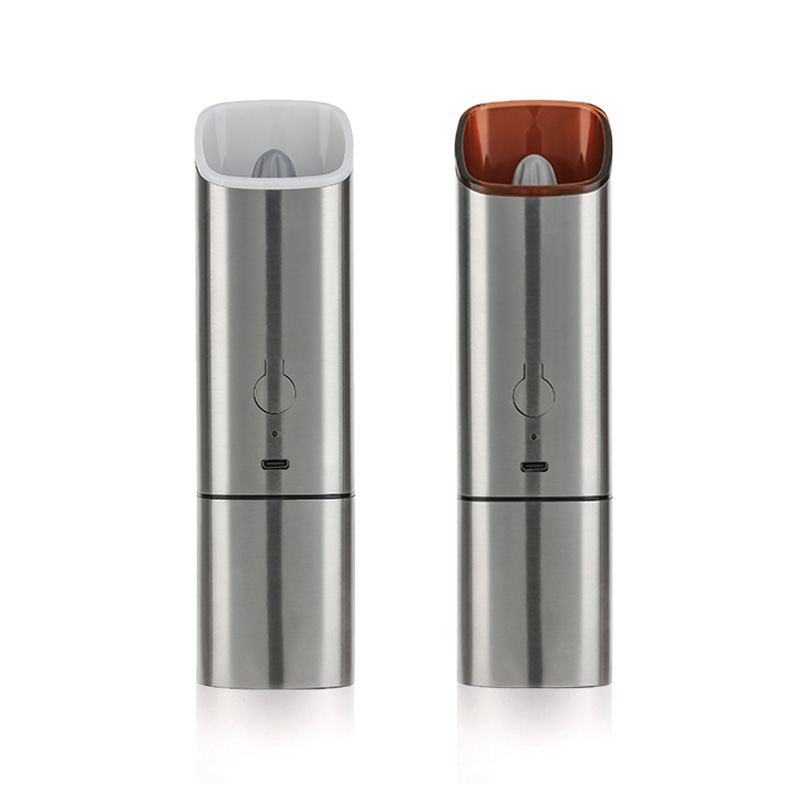 CH-01
CH-01USB Rechargeable Electric Salt Pepper Grinder
-
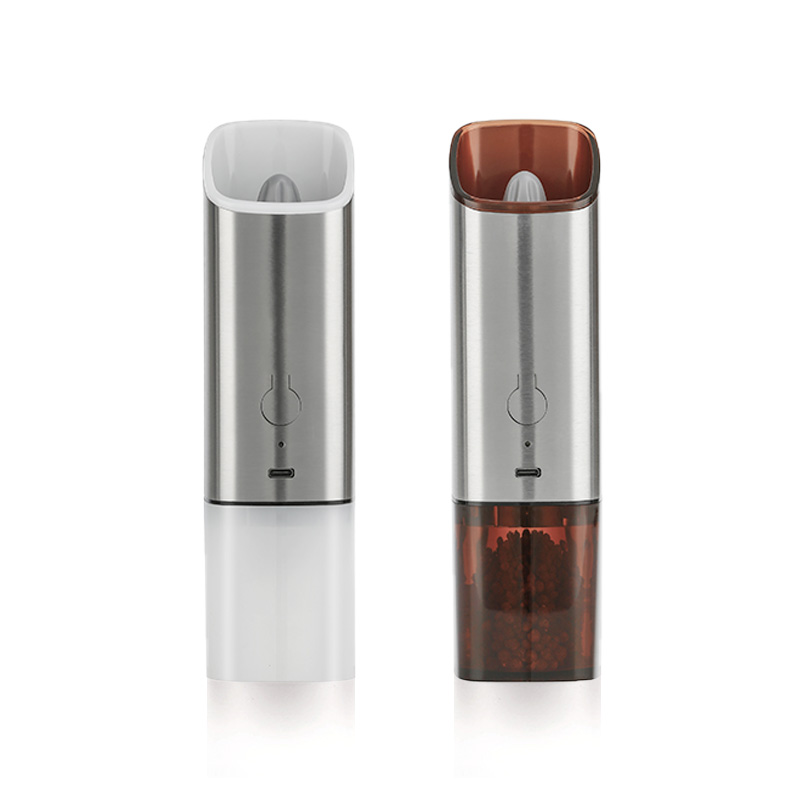 CH-01P
USB Rechargeable Electric Salt And Pepper Mill Set
-
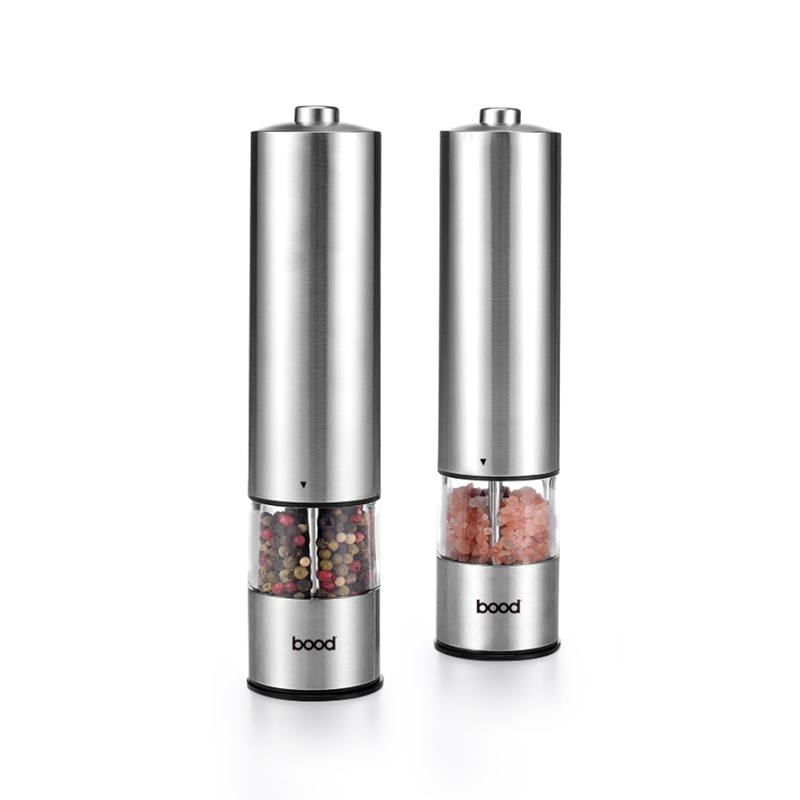 DH-00
DH-00Classy Design Electric Pepper Mill With Stainless Steel Body
-
 DH-01
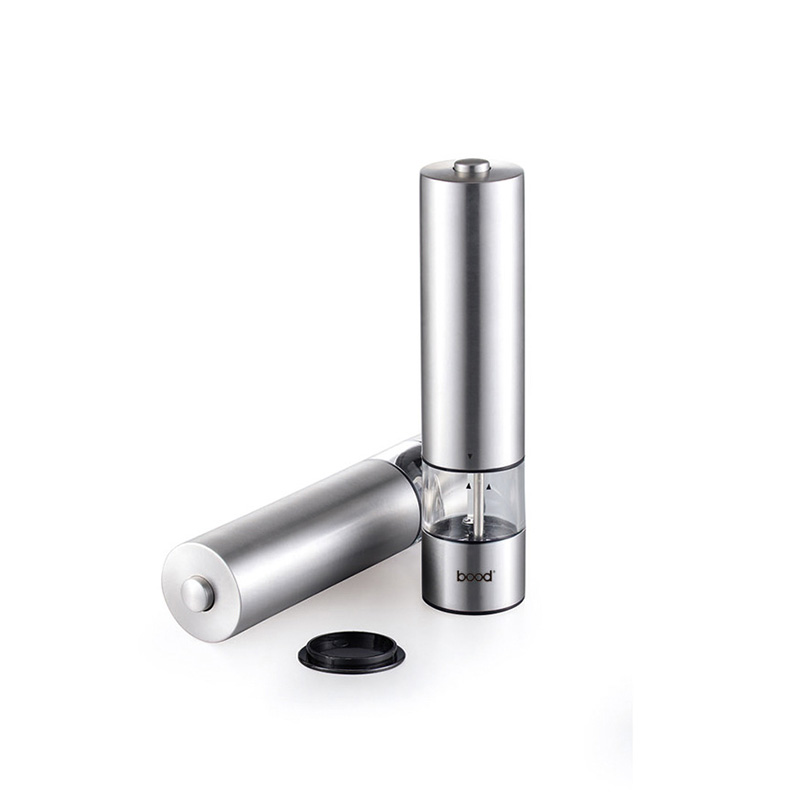
DH-01Classic Electric Stainless Steel Salt And Pepper Grinder
-
 DH-01C
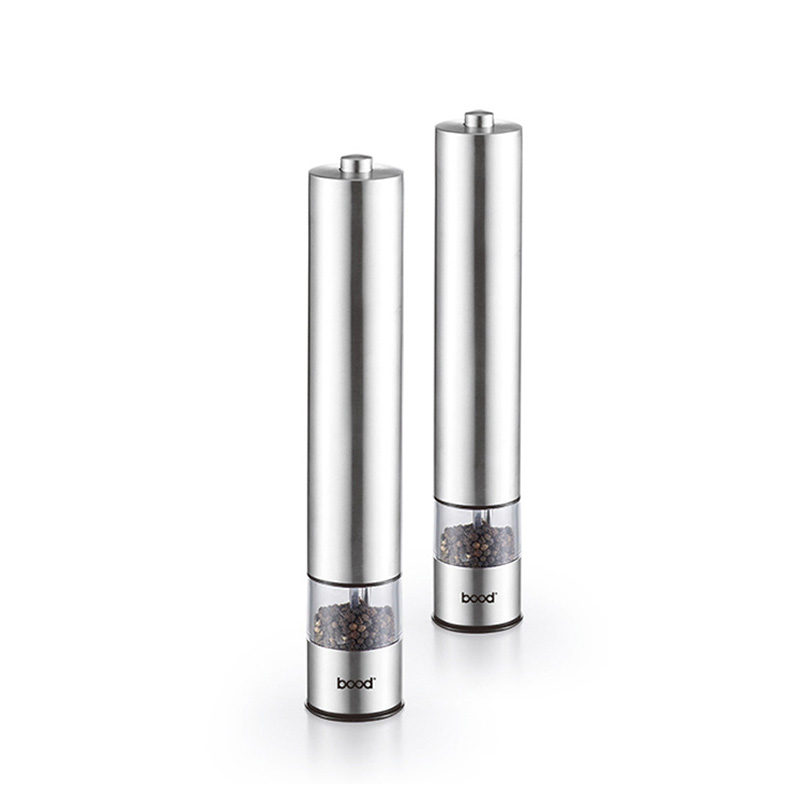
Electric Tall Salt and Pepper Mill Grinder with Flat Head
Copyright © Yongkang Funansheng Industry & Trade Co., Ltd.

China Pepper Grinder