


 Language
 English
 Deutsch
 日本語
日本語 Inquiry
Don't hesitate to send a message
Yongkang Funansheng Industry & Trade Co., Ltd.

+86-579-87301950

Industry News
How Can Rechargeable Pepper Mills Reduce Disposable Battery Waste
Pepper mills have become genuinely more convenient as kitchen tools have moved from simple manual mechanisms toward electric operation. An electric grinder can make seasoning genuinely easier during cooking, especially when the user wants to operate the mill with one hand while stirring a pot. However, powered kitchen tools also introduce a new consideration worth thinking through: how the product gets its energy in the first place.
Traditional battery-powered mills rely on replaceable batteries tucked inside a compartment. Each time the batteries become depleted, they need to get removed and replaced with fresh ones from a drawer. A rechargeable design takes a genuinely different approach by allowing the internal power source to get restored through charging instead.
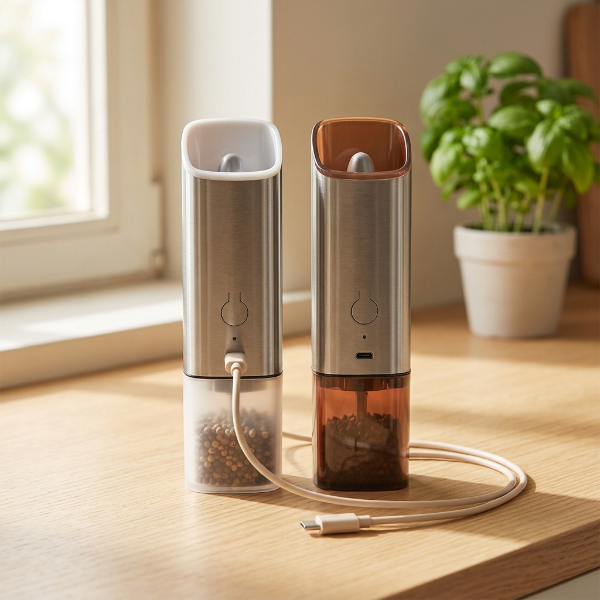
A Rechargeable Pepper Mill can therefore change genuinely more than the way pepper gets ground at the table. It can also change the amount of disposable battery waste associated with regular use over a year. For households that use an electric grinder often, this difference may become part of the product's genuinely long-term value.
The environmental aspect is only one part of the discussion worth having. Charging habits, product lifespan, convenience, maintenance, storage, and purchasing costs can all influence whether a rechargeable mill genuinely fits a particular kitchen.
Why Do Electric Pepper Mills Use Batteries?
Electric pepper mills need a source of stored energy to operate their grinding mechanism reliably. Replaceable batteries are one way to provide that energy, while rechargeable systems offer another path entirely.
A battery-powered grinder can prove convenient because users can replace depleted batteries and continue using the product without much thought. However, every replacement creates another set of used batteries that needs to get handled properly afterward, whether that's a recycling bin or a special drop-off point.
For someone who uses an electric grinder genuinely regularly, battery replacement can become a recurring household task that quietly adds up over months.
| Power Method | Everyday Characteristic |
|---|---|
| Disposable batteries | Replaced after the stored energy is used |
| Rechargeable battery | Energy can be restored through charging |
| Manual operation | Does not require electrical power |
| Rechargeable electric design | Combines powered grinding with reusable charging |
The choice of power system affects how the product actually gets used after purchase. It also influences what happens once the stored energy has been genuinely consumed and needs replenishing.
How Can Rechargeable Pepper Mills Reduce Disposable Battery Waste?
The basic difference is genuinely simple to grasp. A replaceable-battery grinder requires a new disposable battery once its existing batteries are depleted. A rechargeable model can use the same internal battery through repeated charging cycles instead, subject to the condition and lifespan of that battery over time.
This reduces the need to repeatedly purchase and discard individual disposable batteries during normal product use throughout the year. The waste reduction comes from changing the energy routine, rather than from the grinding process itself sitting untouched.
A household that uses a rechargeable grinder doesn't need to remove and replace disposable batteries as part of every normal power cycle. Instead, the user connects the product to its charging source and restores the available power directly, much like charging a phone overnight.
This creates a different pattern worth noticing: use, then charge, then use again, then charge again. The process can continue throughout the useful life of the rechargeable system without much interruption.
The actual environmental benefit depends on how the product genuinely gets used, how long it remains functional on the counter, and how the battery gets handled once the product eventually reaches the end of its useful life.
What Makes a Rechargeable Pepper Mill Different From a Replaceable-Battery Model?
The difference can get seen genuinely clearly in everyday handling around the kitchen. A replaceable-battery product requires access to a battery compartment tucked into the base. When power runs out, the user needs to open that area, remove the used batteries, and install replacements pulled from a drawer.
A Rechargeable Pepper Mill changes that routine considerably. The user normally keeps the internal battery inside the product and restores its energy through a charging connection instead. This can make the power system feel genuinely more integrated with the rest of the appliance, similar to a cordless phone base.
| User Task | Replaceable-Battery Mill | Rechargeable Mill |
|---|---|---|
| Power replenishment | Replace batteries | Connect to charging source |
| Used battery handling | Required | Reduced during normal use |
| Battery storage | May be needed | Usually less relevant |
| Charging habit | Not required | Becomes part of regular use |
| Long-term power routine | Repeated replacement | Repeated charging |
Neither system removes all environmental considerations entirely from the picture. Rechargeable products still contain batteries and electronic components inside their housing. Proper handling remains genuinely important once the product or its internal battery can no longer get used reliably.
How Does Charging Change Daily Kitchen Habits?
A rechargeable grinder introduces a genuinely new habit into the kitchen routine. Instead of keeping spare batteries tucked in a drawer, the user needs to remember to charge the product periodically. This may prove genuinely easy for people who already charge other household devices regularly, like a phone or a shaver.
The location of the charging connection can make a genuine difference here. A mill that's easy to connect and store near a suitable charging area may fit naturally into a household routine without extra thought. If the charging process requires awkward handling instead, the convenience of rechargeable power may feel genuinely less noticeable to the user.
Some simple habits can make charging genuinely easier to sustain. Returning the mill to a familiar storage location matters, alongside charging it when the power level becomes noticeably low. Keeping the charging area easy to access helps too, along with avoiding leaving the product unused for long periods with no attention at all. Following the manufacturer's care instructions rounds out the routine worth building.
The purpose isn't adding another complicated task to an already busy kitchen. A practical rechargeable design should make charging feel genuinely like a normal part of product ownership, no different from charging a toothbrush.
Can Rechargeable Operation Support More Sustainable Kitchen Habits?
Sustainability often comes from repeated everyday choices, rather than one isolated action taken once. Using reusable food containers, reducing unnecessary packaging, repairing household products, and selecting products that can get used repeatedly are all examples of changes that can affect daily consumption patterns over time.
A rechargeable grinder fits into this broader approach by reducing dependence on disposable batteries during normal operation at home. The effect may appear genuinely small when looking at one kitchen tool sitting on a counter. However, the design principle stays relevant across many categories of consumer electronics found throughout a house.
A rechargeable Electronic Pepper Mill follows the same general idea as other devices. The product uses electricity for grinding but relies on a reusable internal power source, rather than requiring a new disposable battery for every replacement cycle throughout the year.
This can make the power system genuinely more closely connected with a reuse-oriented household routine already in place for other appliances.
Does a Power Pepper Grinder Still Create Waste?
Yes, genuinely. Rechargeable operation doesn't mean a product creates no waste whatsoever. The grinder still contains a housing, grinding components, electrical parts, packaging, and a battery inside. These materials eventually need management once the product is no longer usable at all.
The difference is that disposable battery waste can get reduced during the product's normal operating period stretching over years. This distinction genuinely matters because environmental claims should reflect the complete product life cycle, not just one stage of it.
| Product Stage | Waste Consideration |
|---|---|
| Manufacturing | Materials are used to make the product |
| Packaging | Packaging materials are introduced |
| Daily use | Energy is consumed |
| Charging | Electricity is required |
| Maintenance | Cleaning and care affect useful life |
| End of use | Product and battery require suitable disposal |
A Power Pepper Grinder can therefore support a genuinely lower dependence on disposable batteries without getting described as waste-free entirely. Clear product communication helps consumers understand what rechargeable operation can and genuinely cannot change about the bigger picture.
How Does Product Lifespan Affect Environmental Value?
A rechargeable battery proves useful only when the product itself remains functional over time. If a mill gets replaced after a short period because of damage, poor handling, or loss of usability, the potential benefit of repeated charging becomes genuinely less meaningful in the end.
Product lifespan is therefore genuinely closely connected with sustainability as a whole. A durable outer structure can protect the internal components during normal kitchen use, whether that's accidental drops or steam from cooking. A practical grinding section can support continued operation over years of use. Easy cleaning can also help users maintain the product in suitable condition longer.
Maintenance shouldn't get treated as a separate issue from environmental performance entirely. Keeping a product in use for genuinely longer can reduce the need to purchase a replacement product down the line. That means the environmental discussion should include the entire product, rather than focusing only on its battery in isolation.
How Can Easy Cleaning Support Longer Product Use?
Pepper creates small particles that can collect around a grinder's openings and moving areas over repeated use. Regular cleaning helps keep the product genuinely comfortable to use and may reduce the buildup of loose seasoning around the exterior surface.
For rechargeable products specifically, cleaning also needs to account for the electrical parts hidden inside. Users should follow the care instructions for the specific product and avoid exposing charging connections or protected electrical areas to unnecessary moisture near the sink.
A practical cleaning routine may involve wiping the outer surface regularly during normal use, alongside removing loose pepper particles around accessible areas. Keeping charging connections clean and dry matters too, along with checking the grinding area during routine use for buildup. Storing the mill in a suitable location after cleaning rounds out the habit worth keeping.
Simple maintenance can support continued use and reduce the pressure to replace a product simply because it has become genuinely difficult to handle over time.
Does Rechargeable Power Affect Long-Term Operating Costs?
Operating cost is another genuine reason consumers may consider rechargeable products over disposable alternatives. Disposable batteries create a repeated purchasing requirement that adds up at the checkout. The cost may seem genuinely small for occasional use, but regular grinding creates genuinely more frequent demand for replacement batteries throughout the year.
A rechargeable system shifts part of that cost toward charging the product instead, which usually runs cheaper per cycle. The actual financial effect depends on the purchase price, usage habits, electricity costs, product lifespan, and eventual battery condition after years of charging.
A useful way to think about the difference runs through the recurring nature of the expense itself.
| Cost Area | Disposable-Battery Model | Rechargeable Model |
|---|---|---|
| Initial product purchase | Product cost | Product cost |
| Power replacement | Repeated battery purchases | Charging |
| Spare power storage | May be useful | Usually less necessary |
| Battery disposal | Needed for used batteries | Reduced during normal use |
| Long-term consideration | Ongoing battery replacement | Battery condition over product life |
Price value should therefore get considered over the genuine period the product is expected to remain in regular use on the counter.
How Does a Gravity Electric Salt and Pepper Mill Fit Into This Trend?
A Gravity Electric Salt and Pepper Mill combines electric grinding with a gravity-based operating method built into the design. The user can position the mill over food, allowing the product to respond to its orientation while the electric grinding system performs the work below.
When this type of mill uses rechargeable power, two convenience features come together at once. The gravity operation can reduce the need to press a control while cooking one-handed, while rechargeable power reduces the need for repeated disposable battery replacement over months.
This combination may prove genuinely useful for people who want simple seasoning during cooking or meals shared at a table. The environmental consideration remains genuinely connected to the power source, rather than the gravity function itself acting alone. A gravity sensor doesn't remove waste on its own. The rechargeable energy system is what genuinely changes the battery replacement routine underneath it.
Can Rechargeable Mills Reduce the Need for Spare Batteries?
Many households keep spare batteries tucked in drawers because battery-powered devices can stop working when their stored power gets depleted unexpectedly mid-meal. A rechargeable mill can reduce the need for this type of storage considerably.
Instead of keeping a supply of replacement batteries nearby just in case, users can rely on the product's charging system instead. This can make kitchen storage genuinely simpler as a result. A small drawer that once contained spare batteries can get used for other household items instead, freeing up space.
The change may seem genuinely minor on its own, but it illustrates how rechargeable products can affect both consumption and organization together. The same principle can apply to other rechargeable kitchen devices scattered around the same house. When several products use rechargeable power, households may gradually become genuinely less dependent on disposable batteries for everyday tasks overall.
What Should Consumers Consider Before Buying a Rechargeable Pepper Mill?
Environmental concerns are genuinely important, but they shouldn't be the only buying factor weighed at checkout. A rechargeable mill still needs to work genuinely well for the intended cooking routine at home.
Consumers can consider how often the mill will actually get used throughout a typical week, and whether one-handed operation is genuinely useful during their cooking style. How convenient charging will feel deserves thought too, along with how easy the product is to clean after regular use. Whether the grinding action suits normal cooking matters, along with how easily the product can get stored between meals. Whether the construction feels suitable for repeated use rounds things out, along with how the product should get handled at the end of its useful life.
These questions connect sustainability with genuinely actual product use, rather than abstract intentions. A product that remains unused in a cabinet provides genuinely little practical value, even if its power system is rechargeable. A product that becomes part of regular cooking may have a genuinely clearer role in reducing repeated disposable battery use over time.
How Can Manufacturers Design Rechargeable Pepper Mills With Waste Reduction in Mind?
Manufacturers can influence environmental performance through many parts of product development, not just the battery choice. The battery system is only one consideration among several worth weighing. Product lifespan, charging design, material choices, packaging, cleaning access, and repair or replacement possibilities can all affect how the product genuinely gets used over time.
A practical approach is considering the complete ownership cycle from purchase to disposal.
| Design Area | Environmental Consideration |
|---|---|
| Rechargeable power | Reduces routine disposable battery replacement |
| Product structure | Supports continued use |
| Charging design | Encourages practical recharging |
| Cleaning access | Supports routine care |
| Packaging | Can reduce unnecessary material use |
| Component design | May influence maintenance and product life |
| End-of-use information | Helps users handle the product responsibly |
Clear instructions also matter genuinely quite a bit here. Consumers need to know how to charge, clean, store, and eventually dispose of the product responsibly. Straightforward information can help users make genuinely better decisions throughout the entire ownership period.
What Role Can Rechargeable Pepper Mills Play in Changing Consumer Habits?
Kitchen products often influence behavior through small daily interactions repeated hundreds of times. A rechargeable grinder doesn't require consumers to change their entire approach to cooking overnight. It simply changes one part of the seasoning routine quietly in the background.
Instead of reaching for replacement batteries when the power runs out mid-recipe, the user charges the product overnight instead. Instead of treating the battery as a disposable component tossed after use, the user keeps the power source in the product and uses it repeatedly for years.
That change can make environmental considerations genuinely more visible in an ordinary kitchen task most people never think twice about. The appeal of a rechargeable Electronic Pepper Mill is therefore not limited to electric grinding alone. It can also reflect a genuinely broader preference for reusable power systems, convenient operation, and products that fit genuinely longer-term household routines already forming around other devices.
For consumers comparing a Rechargeable Pepper Mill, Power Pepper Grinder, or Gravity Electric Salt and Pepper Mill, the battery system is one part of the decision worth weighing carefully. The way the product gets charged, cleaned, maintained, stored, and used over time can prove genuinely just as important to the final choice.
Recommended Products
-
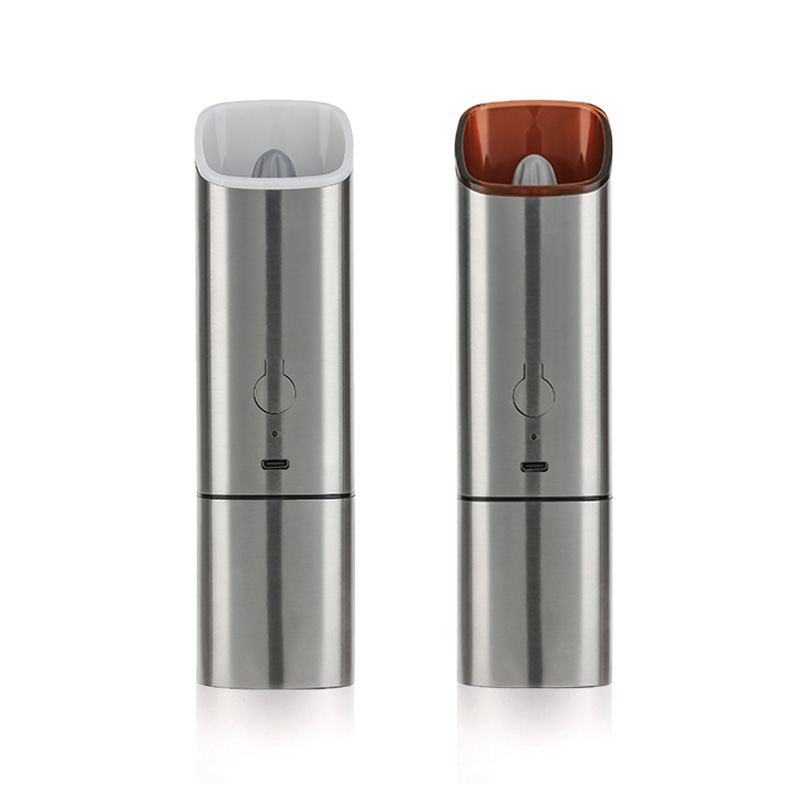 CH-01
CH-01USB Rechargeable Electric Salt Pepper Grinder
-
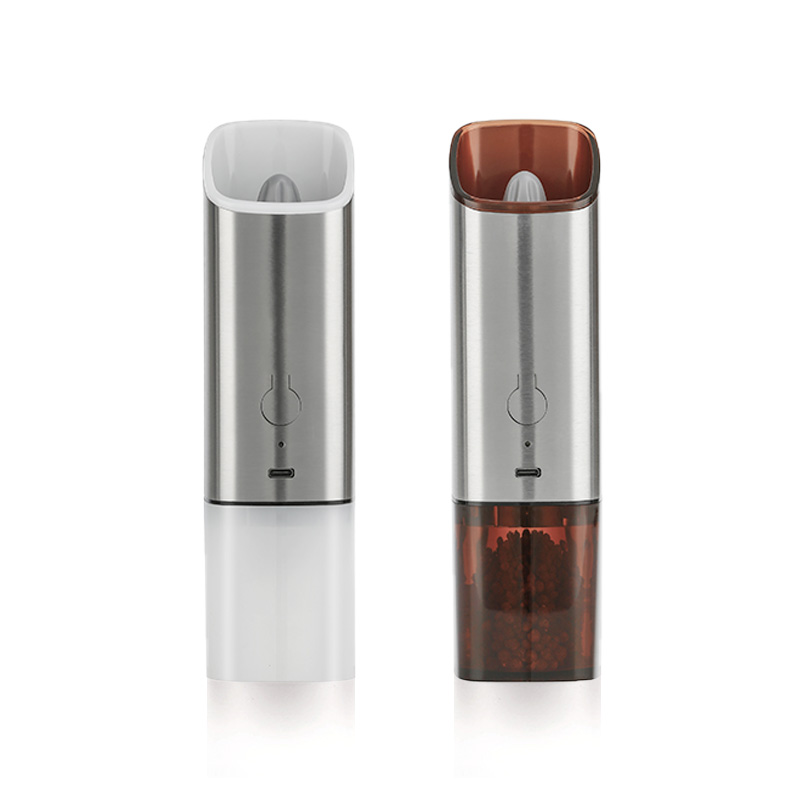 CH-01P
USB Rechargeable Electric Salt And Pepper Mill Set
-
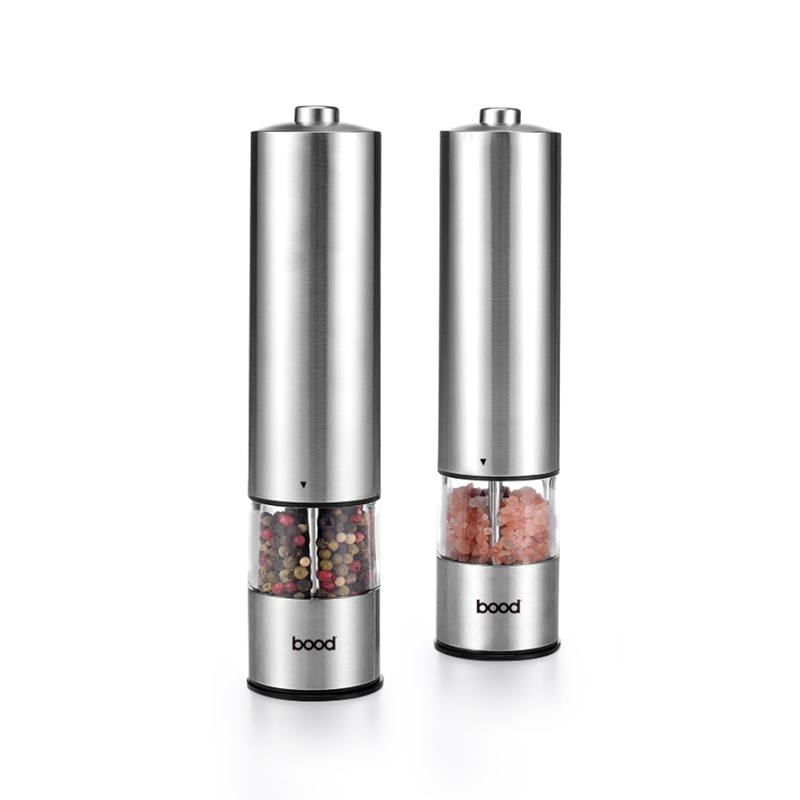 DH-00
DH-00Classy Design Electric Pepper Mill With Stainless Steel Body
-
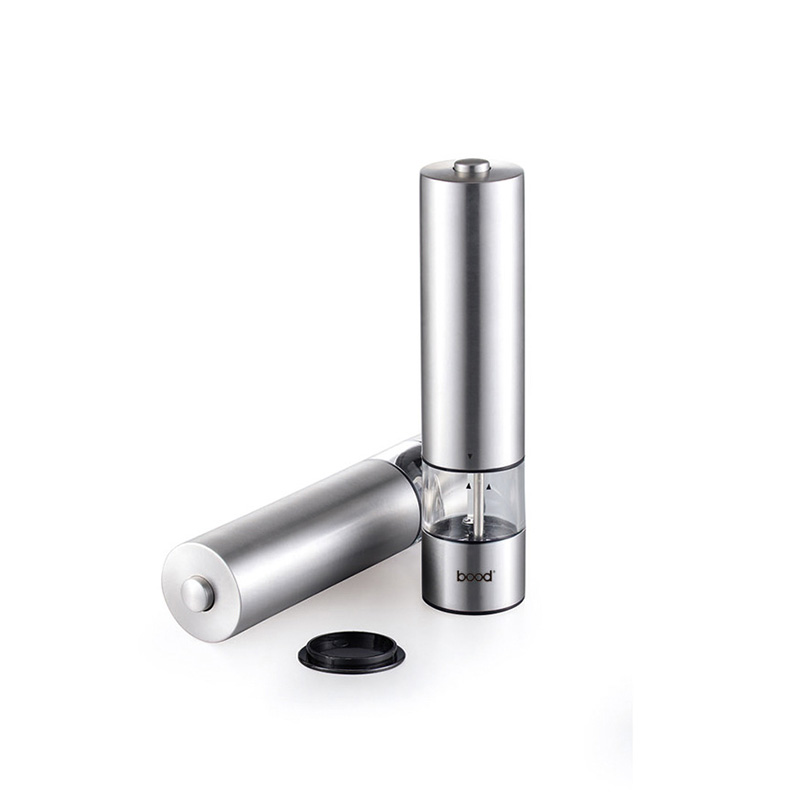 DH-01
DH-01Classic Electric Stainless Steel Salt And Pepper Grinder
-
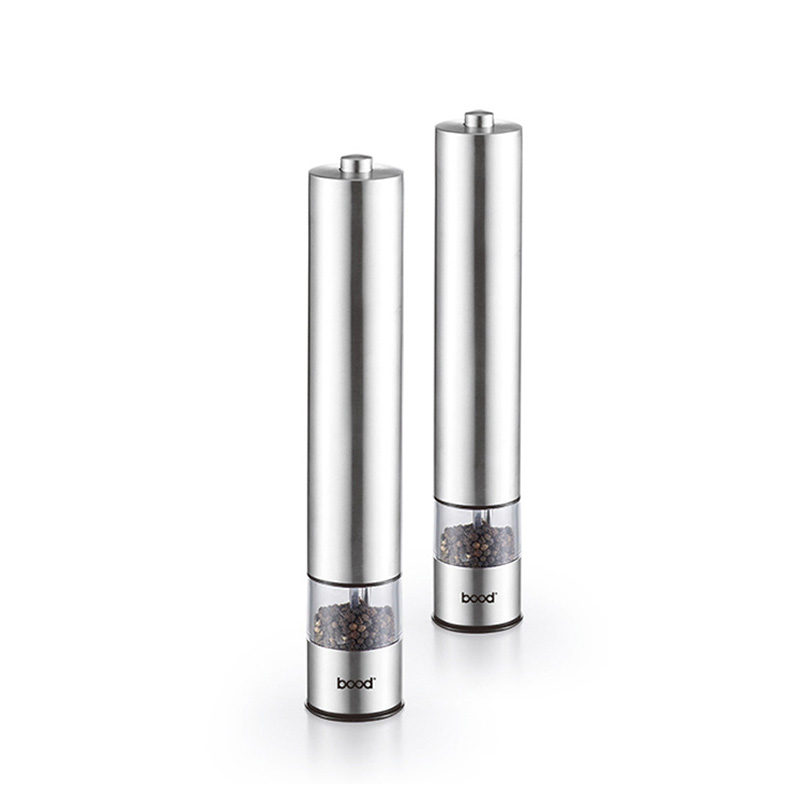 DH-01C
Electric Tall Salt and Pepper Mill Grinder with Flat Head
Copyright © Yongkang Funansheng Industry & Trade Co., Ltd.

China Pepper Grinder