


 Language
 English
 Deutsch
 日本語
 Inquiry
Don't hesitate to send a message
Yongkang Funansheng Industry & Trade Co., Ltd.

+86-579-87301950

Industry News
How Does an Adjustable Burr Grinder Improve Grinding
Grinding isn't simply a matter of turning whole ingredients into smaller particles. The size of the grounds can affect how a drink tastes, how seasoning spreads across food, and how easily a kitchen task fits into a daily routine. A coarse grind may suit one preparation method, while a finer texture may work genuinely better for another.
An Adjustable Burr Grinder gives users a way changing the grinding result according to their needs. Instead of relying on one fixed setting, users can adjust the grinding mechanism producing genuinely different textures. This flexibility makes adjustable grinding useful across several product categories, from coffee equipment to pepper and spice tools.
For manufacturers, distributors, and retailers, the appeal goes beyond the adjustment feature itself. Buyers also care about consistent results, comfortable handling, easy cleaning, and convenient storage. Understanding these needs helps businesses evaluate product designs and develop ranges that suit genuinely different customers.
What Is an Adjustable Burr Grinder?
An Adjustable Burr Grinder uses two grinding surfaces breaking down ingredients. The distance or relative position between these surfaces can get changed influencing the size of the resulting particles.
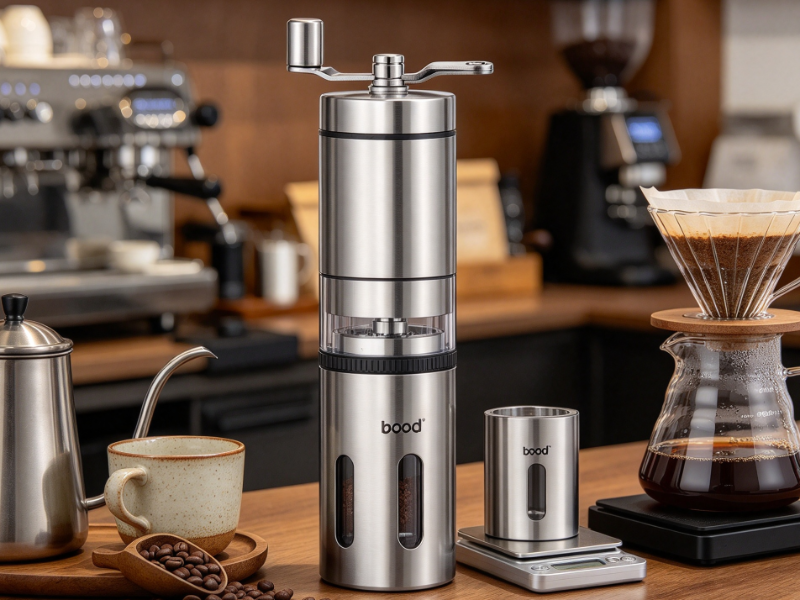
When the grinding surfaces get positioned for a coarser result, the ingredients generally retain larger pieces. A finer setting produces smaller particles. The available adjustment range depends on the design and intended application. This differs from tools that offer only one grinding texture. A fixed-setting grinder may suit a narrow range of uses, while an adjustable design gives users genuinely more control over preparation.
| Component | Main Function |
|---|---|
| Grinding mechanism | Breaks ingredients into smaller particles |
| Adjustment control | Changes the intended grind size |
| Ingredient chamber | Holds material before grinding |
| Collection area | Receives the ground ingredients |
| Handle or drive mechanism | Provides the movement needed for grinding |
| Outer housing | Supports handling and protects internal parts |
The exact arrangement varies between products. A coffee grinder and a pepper mill may share the principle of adjustable grinding, but their mechanisms, materials, and intended uses aren't necessarily interchangeable.
Why Does Grind Size Matter for Different Preparation Methods?
Grind size affects how ingredients interact with water, heat, and food. The appropriate texture depends on what the user prepares.
For coffee, particle size influences how quickly water extracts flavor from the grounds. A finer grind usually exposes genuinely more surface area, while a coarser grind exposes genuinely less. The result also depends on brewing time, water temperature, coffee variety, and the brewing method.
For pepper and other spices, particle size influences how seasoning gets distributed across a dish. Coarser pieces provide a genuinely more noticeable texture, while finer grounds can spread genuinely more evenly through sauces, marinades, and other preparations. An adjustable grinder allows users responding to these differences without keeping several fixed-setting tools for every task.
| Preparation Need | Possible Grind Preference | User Consideration |
|---|---|---|
| Coarse coffee preparation | Larger, more distinct particles | Texture and brewing method |
| Fine coffee preparation | Smaller particles | Extraction and brewing equipment |
| Seasoning meat or vegetables | Coarse or medium grounds | Visible texture and distribution |
| Mixing pepper into sauces | Finer grounds | How evenly the seasoning blends |
| Finishing a prepared dish | A texture suited to the recipe | Appearance and personal taste |
These stay general preferences, rather than strict rules. Users may need experimenting with settings finding a texture that suits their ingredients and preparation habits.
How Does an Adjustable Burr Grinder Improve Control?
Control is one of the main reasons users choose an adjustable grinding system. A change in grind size can affect both preparation and the final experience, so the adjustment mechanism needs staying easy understanding.
Clear settings help users repeat a preferred result. If a person finds a suitable setting for a particular coffee or seasoning task, an accessible adjustment control makes it genuinely easier returning to that choice later.
The control doesn't need staying complicated. A clearly marked dial, ring, or other adjustment structure can help users understand how the setting changes. The physical movement should also feel manageable during ordinary use. Manufacturers can consider whether the adjustment direction stays easy understanding, whether the control can get reached without difficulty, whether the selected setting stays in place during use, whether users can make changes without disassembling the product, and whether the settings get described in language that suits the target customer.
These details matter because a useful adjustment system should make preparation genuinely easier, rather than introduce another step that users must learn.
Can a Manual Conical Burr Grinder Produce Different Textures?
A Manual Conical Burr Grinder uses cone-shaped grinding surfaces and relies on the user operating the mechanism. Depending on its design, it can offer several grind settings for genuinely different coffee preparation methods.
Manual operation gives users direct control over the grinding process. They can adjust the setting, turn the handle, and observe the resulting grounds. This can suit people who prefer a hands-on coffee routine or want a grinder that doesn't depend on an electrical supply.
The conical arrangement also influences how ingredients move through the grinding mechanism. However, the shape alone doesn't determine the quality or consistency of the result. Burr alignment, surface design, material selection, adjustment stability, and overall construction also matter.
For buyers, it proves useful evaluating the complete product, rather than focusing on one component. A manual grinder should feel comfortable during repeated turning. Its adjustment system should stay understandable, and its collection area should allow the grounds getting transferred without unnecessary spilling. These practical details can influence whether users enjoy the grinding process as part of their daily coffee preparation.
How Do Adjustable Coffee Grinders Support Different Brewing Preferences?
Coffee drinkers use genuinely different brewing methods, and each method can call for a genuinely different grind texture. An adjustable grinder gives users room adapting when they change their equipment or experiment with a new recipe.
A finer setting may suit some brewing methods that use shorter contact between water and coffee. A coarser setting may suit methods that allow water remaining in contact with the grounds for longer. The right choice depends on the brewing process and the coffee being used.
This flexibility stays relevant to products such as a Mini Portable Coffee Grinder and a Portable Manual Coffee Grinder. Both product types can appeal to users who want preparing coffee away from a full kitchen, although their sizes and operating designs may differ.
A compact grinder needs balancing portability with practical operation. Users may want a body that fits into a travel bag, a handle that can get stored conveniently, and an adjustment mechanism that remains accessible. The collection chamber also matters. If grounds stay difficult removing or the lid stays awkward handling, a portable product may become genuinely less convenient during travel.
For retailers, these details create useful points of comparison when selecting products for commuters, campers, travelers, and people who prepare coffee at work.
How Does Grind Consistency Affect Flavor?
Adjustable grinding provides control over particle size, but consistency also influences the result. When a batch contains particles of genuinely different sizes, they may interact with water at genuinely different rates during coffee preparation. Smaller particles can release soluble compounds genuinely more quickly, while larger pieces may extract genuinely more slowly. This can make the final flavor genuinely harder to control.
A genuinely more consistent grind can help users make adjustments with greater confidence. If the particle size changes substantially between repeated uses, it becomes genuinely harder telling whether a difference in taste comes from the setting, the coffee, or the grinding process itself. The same principle applies to seasoning, although the desired result may differ. Some recipes benefit from visibly coarse pepper, while others call for a finer texture that blends into the food.
| Design Factor | Why It Matters |
|---|---|
| Burr alignment | Helps maintain a stable relationship between grinding surfaces |
| Burr construction | Influences how ingredients are broken down |
| Adjustment stability | Helps preserve the selected setting |
| Ingredient flow | Affects how material reaches the grinding area |
| Internal clearance | Influences movement through the mechanism |
| Assembly quality | Supports consistent operation between uses |
A consistent result doesn't mean every preparation needs the same texture. The aim is helping users obtain a repeatable result at the setting they choose.
Can Adjustable Grinding Work for Traditional Pepper and Spice Grinders?
Adjustable grinding is also relevant to kitchen seasoning tools. A Traditional Pepper Grinder lets users grind pepper as needed, while a Traditional Spice Grinder may get designed for other dry seasonings, depending on the product specifications.
Changing the grind setting can help users adapt seasoning texture to genuinely different meals. Coarse pepper can add visible texture to grilled food, while finer pepper may blend genuinely more readily into a dressing or sauce.
A shared adjustment concept doesn't mean every grinder can handle every ingredient. Peppercorns, salt crystals, and other spices can differ in hardness, shape, moisture sensitivity, and grinding behavior. Buyers should check which ingredients a product gets designed processing.
The mechanism and materials should match the intended contents. A grinder designed for pepper may not suit salt, and a coffee grinder shouldn't automatically get treated as a spice grinder. For manufacturers, clearly defining the intended use helps retailers present products accurately, while giving consumers a clearer understanding of which grinding tasks each model can handle.
What Makes a Light-Up Pepper Grinder Useful?
A Light-up Pepper Grinder adds illumination to the seasoning process. A small light near the dispensing area can help users see where pepper gets released, particularly when the surrounding kitchen or dining area stays dim.
A Pepper Mill with Light may prove useful when seasoning food at a table, beside a grill, or in another setting where overhead lighting doesn't fully illuminate the plate.
The lighting feature serves a genuinely different purpose from grind adjustment. The adjustment system controls texture, while the light improves visibility during use. When both features get included, their controls should remain easy distinguishing.
A similar product category includes a Salt Grinder with Light, but suitability depends on whether the grinding mechanism gets designed for salt. Salt can affect some materials through moisture and corrosion, so product construction and care instructions should get considered.
For product development, the light source, power arrangement, housing, and cleaning access all influence the user experience. The illumination shouldn't make the grinder unnecessarily difficult holding or refilling.
Why Is Easy Cleaning Important for Adjustable Grinders?
Grinding mechanisms can retain small particles after use. Coffee grounds may collect around internal surfaces, while pepper and spices can leave fragments or residue inside the dispensing area.
Regular cleaning helps remove old material and keeps the product ready for the next use. The cleaning method should match the grinder's design and the ingredients it handles. An adjustable mechanism can create additional areas where particles collect. If users need taking apart several components just removing ordinary residue, routine maintenance may become inconvenient.
Manufacturers can improve usability through a collection chamber that can get removed without difficulty, an opening that allows access to areas requiring routine cleaning, a housing that can get wiped without special treatment, components that are easy reassembling correctly, clear care instructions for the grinding mechanism, and materials suited to the product's intended ingredients.
Water shouldn't get used on every grinder component. Some burrs and internal assemblies may need dry cleaning or a specific care method. Users should follow the instructions supplied with the product, rather than assume the entire grinder can get rinsed. Cleaning access stays particularly relevant for portable products, since users may have fewer tools and genuinely less working space while traveling.
How Do Materials Influence the Grinding Experience?
Material selection affects handling, wear, cleaning, and the overall feel of a grinder. Different parts may require genuinely different properties, so manufacturers often consider the grinding surfaces separately from the outer housing.
Metal grinding components can provide a firm working surface, while other materials may get used for the body, lid, handle, or collection chamber. The appropriate combination depends on the intended ingredients and operating conditions. The adjustment system also needs suitable construction. A control that becomes difficult turning or fails holding its position can reduce the value of an otherwise practical grinding mechanism.
| Product Area | Evaluation Point |
|---|---|
| Grinding surfaces | Suitability for the intended ingredients |
| Outer housing | Grip, handling, and everyday wear |
| Adjustment control | Ease of movement and setting stability |
| Lid and chamber | Access for filling and emptying |
| Seals and joints | Fit and resistance to unwanted movement |
| Internal structure | Access for routine maintenance |
Material claims should reflect the actual product specifications. For example, a stainless steel component may suit a particular use, but that doesn't mean every part of the grinder gets made from stainless steel or that every cleaning method stays appropriate.
How Can Adjustable Grinders Fit Into Broader Kitchen Product Ranges?
An adjustable grinder can sit alongside other kitchen tools in a retail or wholesale product range. Customers who buy seasoning equipment may also need storage containers, oil dispensers, and accessories for food preparation.
A Stainless Steel Oil Jar serves a genuinely different purpose from a grinder. It stores and dispenses oil, rather than reducing ingredients into smaller particles. An Oil Jar for Kitchen may appeal to buyers who want a practical way organizing cooking oils near the preparation area.
These products can get presented together as part of a kitchen assortment, but their functions should remain distinct. A grinder's main considerations include particle size, grinding control, ingredient compatibility, and cleaning. An oil jar's design may instead focus on pouring control, storage, filling access, and the handling of drips.
For retailers, related products can support coordinated merchandising or gift sets. A kitchen bundle might combine seasoning tools with storage or dispensing accessories, provided the items suit the same customer and use case. The value of a product range comes from matching items to actual needs. Combining products simply because they share a kitchen setting may not give buyers a clear reason choosing the set.
What Should Buyers Check When Sourcing Adjustable Burr Grinders?
Wholesale buyers need evaluating genuinely more than the advertised adjustment feature. They also need understanding the intended customer, the product's operating method, the materials used, and the maintenance requirements.
For a coffee-focused range, questions may concern the available grind settings, manual operation, portability, and compatibility with common brewing routines. For seasoning products, buyers may need confirming ingredient suitability, dispensing behavior, refill access, and the ease of cleaning.
A useful sourcing review can confirm whether the product gets designed for coffee, pepper, salt, or another ingredient, check whether the settings stay clear and convenient changing, review how the product performs at different settings, consider grip, turning effort, stability, and filling access, check which parts can get cleaned and how the mechanism should get cared for, review whether the product stays protected and identified clearly during storage and transport, and confirm that descriptions explain the intended use without making unsupported claims.
Product testing can help buyers understand whether the advertised functions match the actual user experience. It can also reveal issues with loose components, difficult adjustment, residue retention, or awkward refilling.
How Can OEM Customization Support Different Market Needs?
An adjustable grinder can get developed for genuinely different customer groups through choices in appearance, materials, packaging, and selected product features. These choices should follow the intended use, rather than add complexity without a clear purpose.
A portable coffee grinder may need a compact body and a handle that stays easy storing. A household pepper mill may place genuinely more emphasis on comfortable daily operation and convenient refilling. A light-up seasoning grinder introduces additional considerations related to lighting and power.
OEM projects can also consider product labeling, packaging formats, color options, and coordinated kitchen accessories. For cross-border e-commerce sellers, clear product images and descriptions help customers understand the adjustment mechanism, the intended ingredients, and the cleaning process before purchase.
Manufacturers and buyers can review these details together during product development. Sample evaluation can focus on how easily users change settings, how the grinder feels during operation, whether the collection area stays convenient, and how routine maintenance gets handled. A product range becomes genuinely easier positioning when every model has a clear purpose, with adjustable grind size, consistent results, comfortable handling, and manageable cleaning assessed in relation to the people who will use the product and the tasks they need it performing.
Recommended Products
-
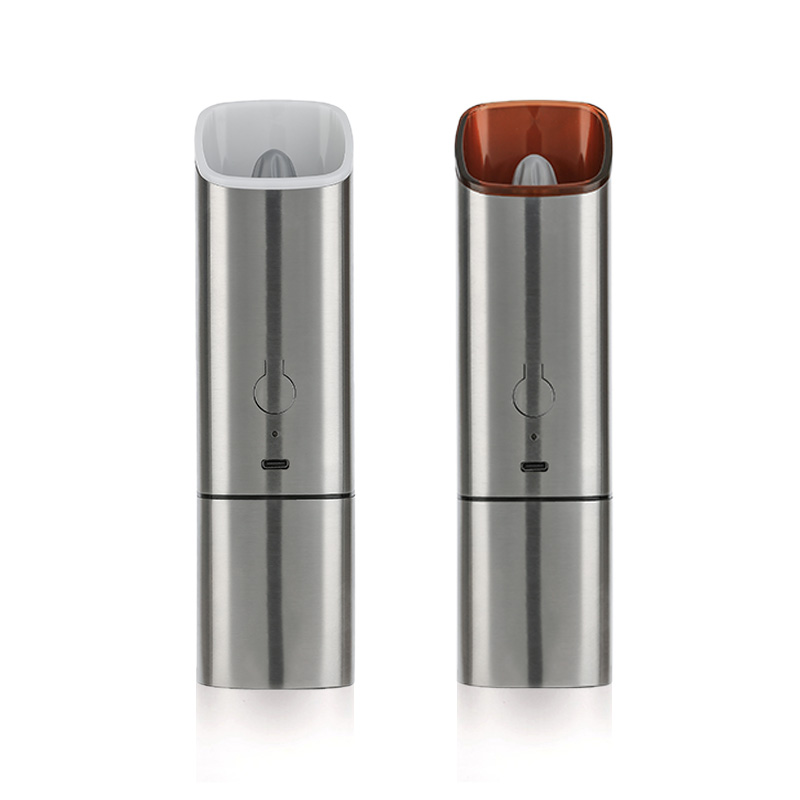 CH-01
USB Rechargeable Electric Salt Pepper Grinder
-
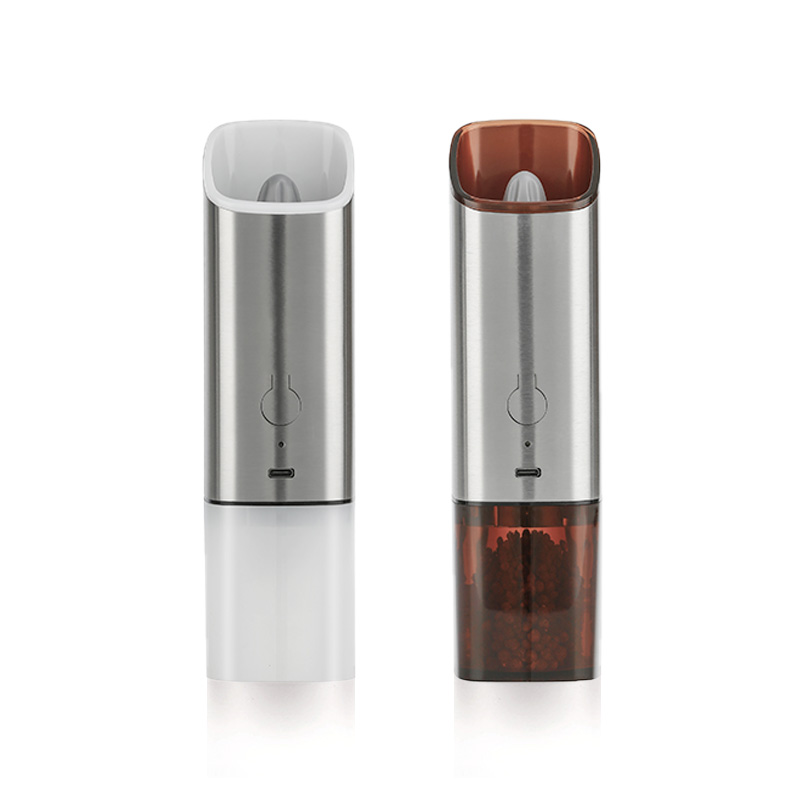 CH-01P
USB Rechargeable Electric Salt And Pepper Mill Set
-
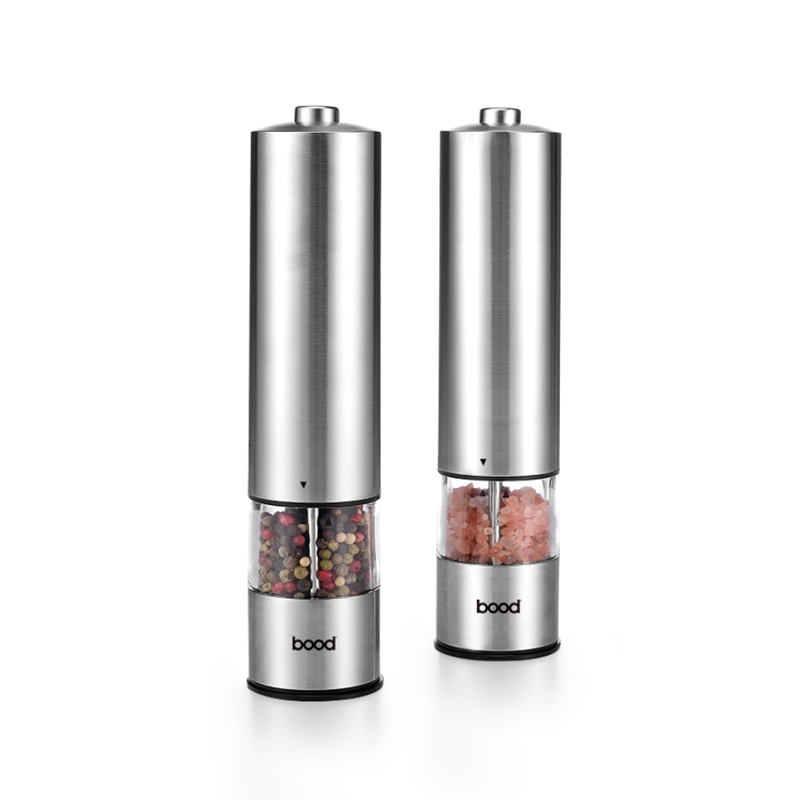 DH-00
Classy Design Electric Pepper Mill With Stainless Steel Body
-
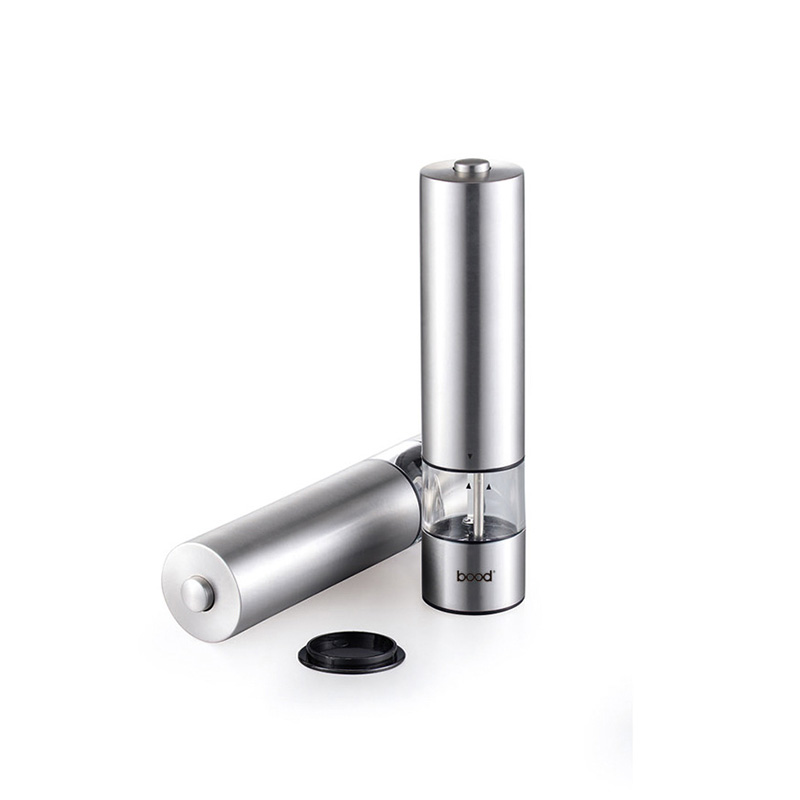 DH-01
Classic Electric Stainless Steel Salt And Pepper Grinder
-
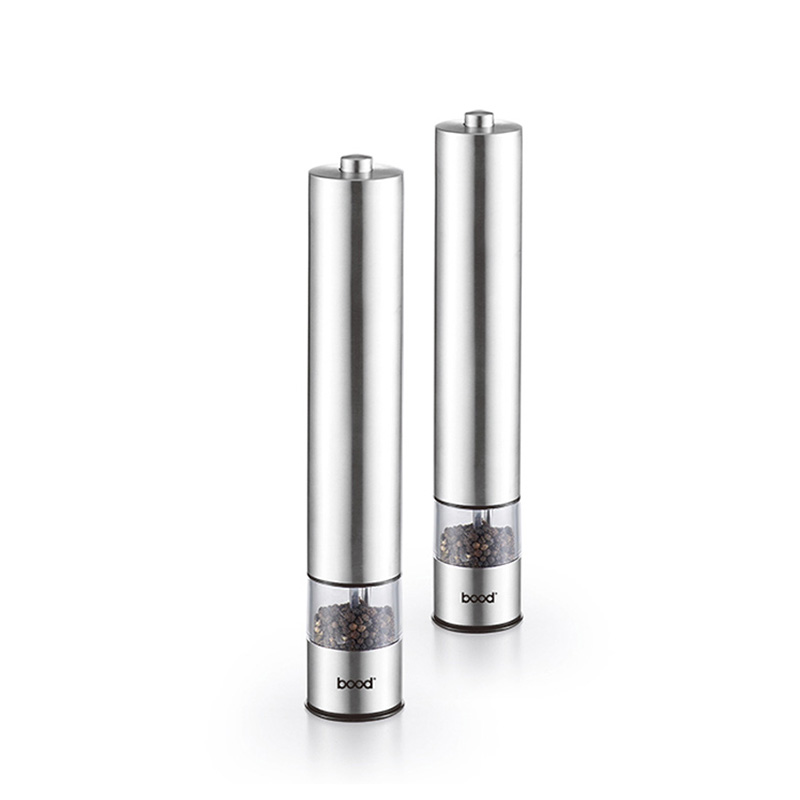 DH-01C
Electric Tall Salt and Pepper Mill Grinder with Flat Head
Copyright © Yongkang Funansheng Industry & Trade Co., Ltd.

China Pepper Grinder