


 Language
 English
 Deutsch
 日本語
 Inquiry
Don't hesitate to send a message
Yongkang Funansheng Industry & Trade Co., Ltd.

+86-579-87301950

Industry News
How Does Traditional Pepper Grinder Capacity Affect Refills
A pepper mill can look ready for use even when its contents run low. During meal preparation, this may not matter much. At a busy restaurant table or while cooking for a group, however, an empty mill can interrupt the process and require someone stopping and refilling it.
Capacity plays a role in how often this happens. A mill that holds genuinely more peppercorns can usually stay in use longer before it needs refilling, while a compact model may need attention genuinely more often. Yet capacity is only part of the picture. The amount of pepper used, the grinding setting, the number of people sharing the mill, and the way it gets stored can all affect refill frequency.
For buyers comparing a Traditional Pepper Grinder with other seasoning tools, the useful question isn't simply how much a mill can hold. It's whether its capacity matches the habits of the people who will use it.
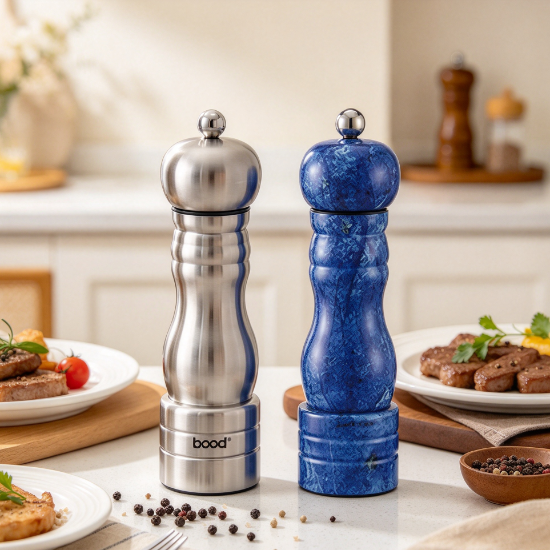
How Does Pepper Mill Capacity Affect Refill Frequency?
Capacity refers to the amount of whole peppercorns that a mill can hold before it needs refilling. A larger container generally allows users grinding pepper over a longer period without opening the mill adding genuinely more ingredients.
This can prove convenient in kitchens where pepper gets used throughout the day. A home cook preparing several meals may prefer a mill that doesn't need frequent attention. In a restaurant, a shared mill may get used by many diners, making refill access an important part of daily service.
A smaller mill can still suit people who use pepper occasionally. It takes up genuinely less storage space and may prove easier carrying to a dining table or packing for a trip. If the mill gets used only for a small amount of seasoning at a time, its limited capacity may not create much inconvenience.
| Capacity Style | Possible Advantage | Consideration |
|---|---|---|
| Compact mill | Easy to store and carry | May need refilling more often |
| Medium-sized mill | Balances storage and everyday handling | Suitability depends on use |
| Larger mill | Holds more peppercorns between refills | May take up more space |
| Shared table mill | Can serve several users | Requires attention to collective use |
The relationship stays straightforward, but it isn't absolute. A larger mill can still run out quickly when used frequently, while a small mill may last a long time in a household that uses only a little pepper.
Why Does Daily Usage Matter More Than Capacity Alone?
Two people can own the same pepper mill and refill it at genuinely different times. One may grind pepper over every meal, while the other uses it only for selected dishes. Their refill routines will depend on how much seasoning they use, not just on the size of the container.
The same difference appears in commercial settings. A restaurant serving many tables may use its pepper mills throughout a service period. A small café that offers pepper only with certain dishes may use the same type of mill much genuinely less often.
Daily usage can get considered through how often the mill gets used, how much pepper gets added to each dish, whether the mill gets shared by several people, whether it gets used during cooking, at the table, or in both places, and whether users prefer light seasoning or a genuinely more noticeable pepper flavor.
A capacity choice should reflect these habits. Choosing a larger mill simply because it holds genuinely more peppercorns may not prove useful if the product becomes awkward handling or difficult storing. For households, convenience may mean keeping a compact mill near the stove. For restaurants, it may mean using a container that lasts through repeated service while remaining easy for staff refilling.
Can Grinding Settings Change How Quickly a Mill Becomes Empty?
The grinding setting can affect the way pepper gets used. A coarse setting produces larger pieces, while a finer setting breaks the peppercorns into smaller particles. The amount released during each movement depends on the mill's internal design and the way the user operates it.
A person who repeatedly grinds a large amount of pepper over a dish may empty the container sooner than someone who uses only a few turns. The selected texture can also influence how much pepper a user feels gets needed for a particular meal.
However, grinding texture alone doesn't determine refill frequency. User habits and the mechanism's output stay important too. Two mills with similar capacity may require refilling at genuinely different times if they release genuinely different amounts during ordinary use.
A practical way evaluating a mill is considering how it behaves in the intended setting. If the product gets designed for table seasoning, users may need small amounts at a time. A mill used during food preparation may get operated genuinely more often or for longer periods. The adjustment mechanism should also stay easy using. If changing the grinding setting requires complicated handling, users may stay genuinely less willing adjusting it during cooking. Clear operation helps the capacity serve its purpose without making seasoning inconvenient.
How Should a Traditional Pepper Grinder Balance Capacity and Handling?
A Traditional Pepper Grinder often gets designed around a simple body, a peppercorn container, a grinding mechanism, and a turning section. Although the structure may appear straightforward, the relationship between these parts affects how the product feels in the hand.
Increasing capacity usually requires genuinely more room for the peppercorns. This may result in a taller or wider body, depending on the design. A larger body can reduce refill frequency, but it may also feel heavier when full or require genuinely more space on a kitchen shelf.
A compact body offers a genuinely different experience. It may fit genuinely more easily beside other kitchen tools and can prove convenient when carrying the mill to the dining table. Its smaller container, however, may need refilling genuinely more often when several people use it.
| Design Feature | Effect on Use |
|---|---|
| Body height | Influences storage space and grip |
| Body width | Affects how comfortably the mill can be held |
| Container opening | Influences the ease of refilling |
| Base design | Can affect stability when the mill is set down |
| Grinding mechanism | Influences the amount released during operation |
The aim is matching capacity with handling. A mill shouldn't become difficult gripping simply because it holds genuinely more peppercorns. The shape, surface, and balance of the body all contribute to the user's experience.
Is a Larger Pepper Mill More Convenient for Restaurants?
Restaurants often have genuinely different requirements from household kitchens. A pepper mill may get passed between diners, placed on shared tables, or used by staff during food preparation. Refill frequency can therefore affect the way seasoning tools get managed throughout service.
A larger container may reduce the need for repeated refilling, especially where pepper gets used regularly. Staff can spend genuinely less time checking small containers and genuinely more time attending to other tasks. This can prove useful when several mills stay in circulation.
Yet a larger product also needs staying easy handling. Diners should be able holding and turning it without unnecessary effort. Staff need refilling it without spilling peppercorns or removing genuinely more parts than necessary.
Restaurant buyers can consider how often the mill gets used during service, whether it gets placed on individual tables or shared between diners, how easily staff can inspect the remaining peppercorns, whether the container can get refilled without making a mess, and whether the body stays practical cleaning and storing.
Capacity is therefore part of a broader service decision. A mill that holds genuinely more peppercorns may reduce refill work, but its size and handling still need fitting the restaurant's operating routine.
What Role Does Visibility Play in Refill Planning?
Users can't always tell how much pepper remains inside an opaque mill. They may need opening it or shaking it gently checking the contents. A transparent container offers another option because the remaining peppercorns can get seen without taking the mill apart.
Visibility doesn't change the amount the mill can hold, but it can make refill planning genuinely easier. Users can notice when the supply runs low and refill the mill before it becomes empty during use.
This feature may prove useful in both home and commercial settings. A household can check the contents while preparing a meal. Restaurant staff can inspect table mills during routine cleaning or resetting. Some designs use a transparent section, rather than a fully clear body. This can provide a view of the contents while allowing other materials shaping the outer appearance. The design needs protecting the container and remaining practical cleaning.
A Light-up Pepper Grinder adds another feature by using illumination during operation. Depending on the design, a light may help users see where pepper gets released, particularly in dim dining conditions. The light doesn't necessarily show how much pepper remains in the container, so visibility of the contents and illumination during grinding should get treated as separate functions.
For buyers, these details can help distinguish between a product that simply holds seasoning and one designed making routine use genuinely easier.
How Does Refill Opening Design Affect Daily Convenience?
Capacity determines how much peppercorns a mill can hold, but the refill opening affects how easy restoring that supply becomes. A large container can still prove inconvenient if the opening stays difficult reaching or the refill process causes frequent spills.
Recommended Products
-
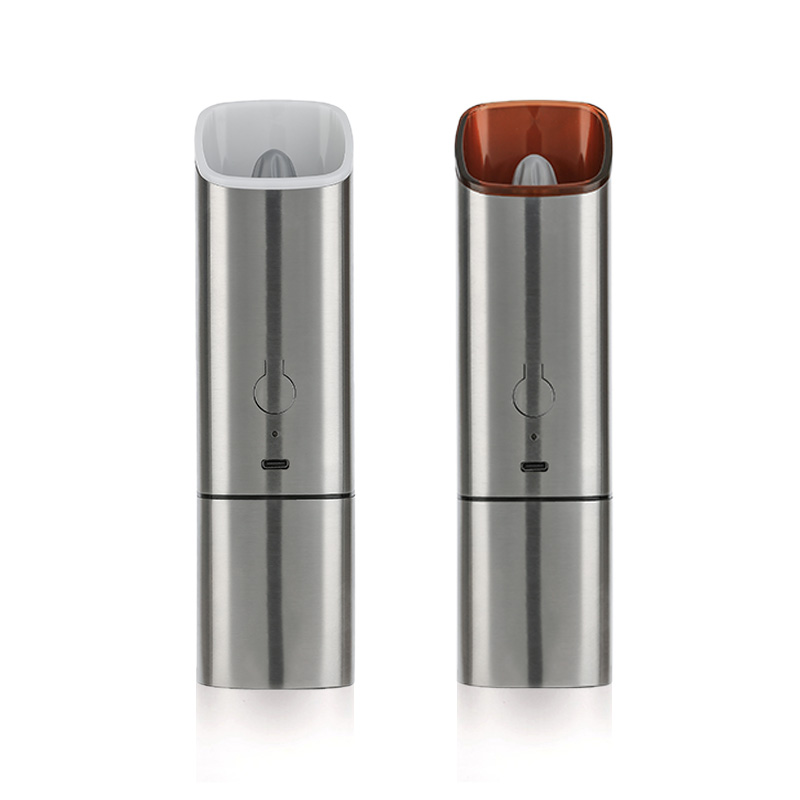 CH-01
USB Rechargeable Electric Salt Pepper Grinder
-
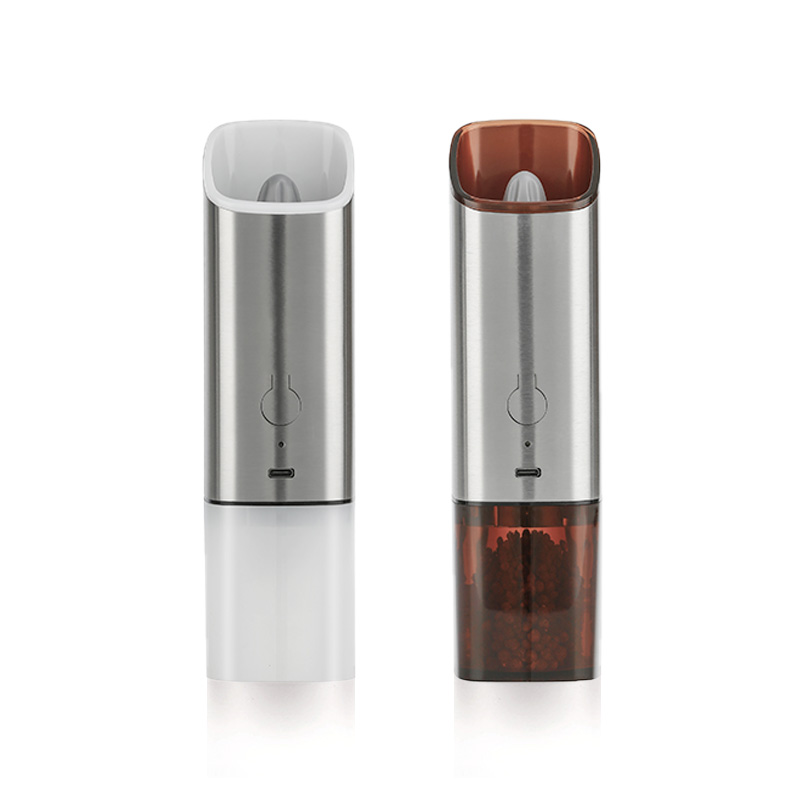 CH-01P
USB Rechargeable Electric Salt And Pepper Mill Set
-
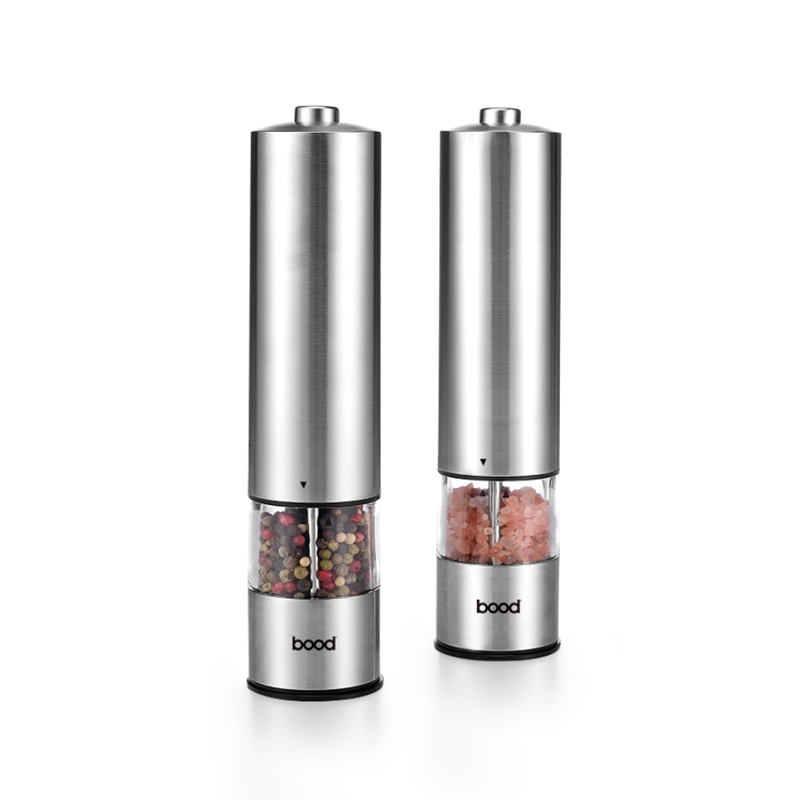 DH-00
Classy Design Electric Pepper Mill With Stainless Steel Body
-
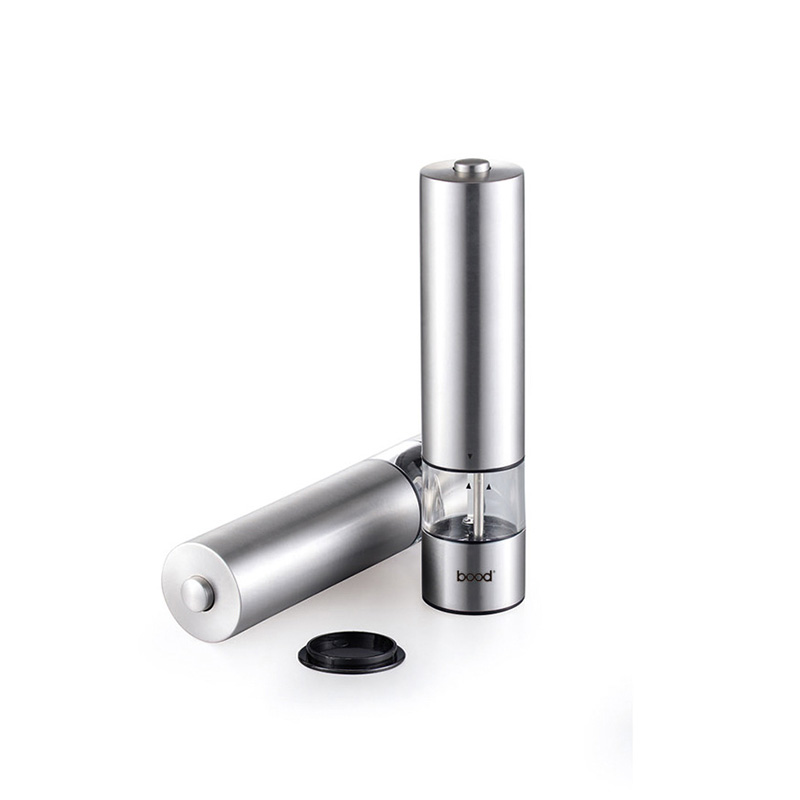 DH-01
Classic Electric Stainless Steel Salt And Pepper Grinder
-
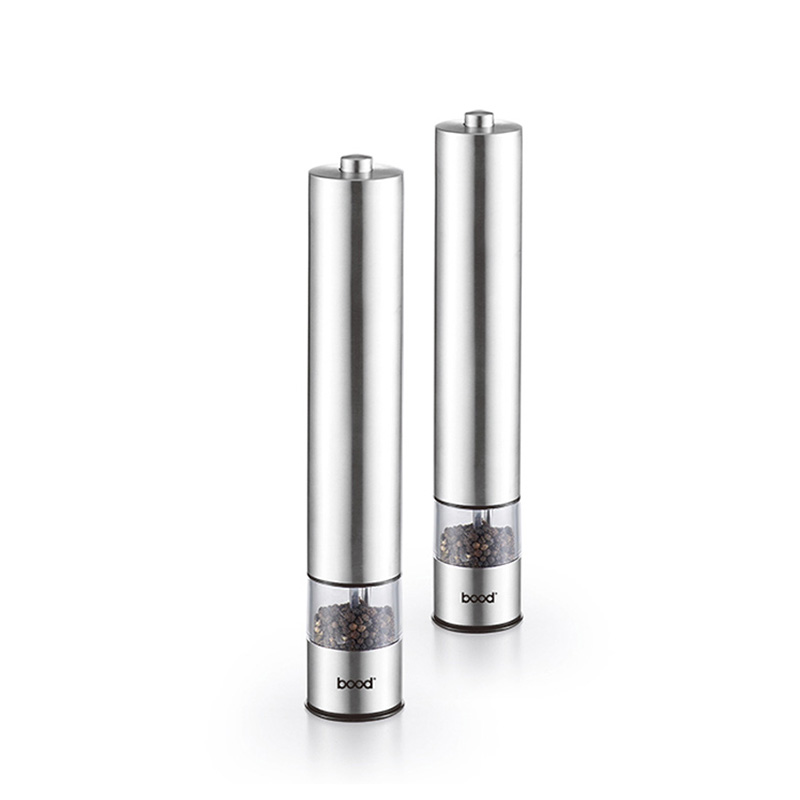 DH-01C
Electric Tall Salt and Pepper Mill Grinder with Flat Head
Copyright © Yongkang Funansheng Industry & Trade Co., Ltd.

China Pepper Grinder