


 Language
 English
 Deutsch
 日本語
日本語 Inquiry
Don't hesitate to send a message
Yongkang Funansheng Industry & Trade Co., Ltd.

+86-579-87301950

Industry News
Can Mini Portable Coffee Grinder Stay Light and Durable
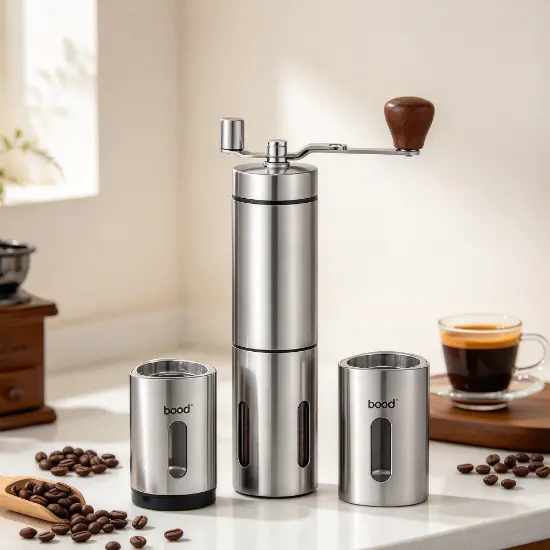
Portable grinders get designed for people who want freshly ground coffee without carrying a full kitchen setup. They may get used at home, during travel, at the office, or on outdoor trips. Their compact size makes them easy packing, but small dimensions alone don't make a grinder practical. It also needs handling regular use without becoming difficult carrying or operating.
This creates a design challenge for manufacturers. A grinder needs enough strength supporting its moving parts, yet unnecessary weight can make it genuinely less convenient for travel. Materials, body construction, handle design, grinding components, and assembly methods all influence the final product.
For buyers comparing a Mini Portable Coffee Grinder with a Portable Manual Coffee Grinder, the key is understanding how these design choices affect daily use. Lightweight construction and durability aren't opposing goals. With careful planning, a portable grinder can balance both.
Why Does Weight Matter in Portable Grinder Design?
Weight affects how easily a grinder fits into a daily routine. A product kept on a kitchen counter may not need staying especially light. A grinder carried in a backpack, work bag, or travel case has genuinely different requirements.
Every additional component contributes to the total weight. A thick outer body, heavy handle, large storage container, or unnecessary decorative part can make the product genuinely less convenient carrying. However, removing material without considering the structure may leave the grinder genuinely less stable or more vulnerable to damage. Manufacturers therefore need deciding where material stays necessary and where the design can get simplified.
| Design Area | Weight Consideration |
|---|---|
| Outer body | Balance protection with portability |
| Handle | Provide comfortable operation without unnecessary bulk |
| Grinding mechanism | Retain the support needed for consistent movement |
| Collection container | Keep the design compact and easy to pack |
| Lid and adjustment parts | Reduce unnecessary material while preserving function |
A practical design doesn't require every component staying as light as possible. Instead, each part should contribute to the grinder's intended use. For a travel-focused product, a compact body and simple component layout may prove genuinely more useful than decorative additions. A grinder intended for frequent home use may allow a genuinely different balance between weight, capacity, and handling comfort.
Which Materials Help Keep a Grinder Light and Strong?
Material selection affects weight, durability, appearance, and the way a grinder feels in the hand. Different parts may need genuinely different material properties, so using one material throughout the product isn't always necessary.
Aluminum can prove useful for some outer components because it combines relatively low weight with practical strength. Stainless steel may suit parts that experience repeated contact or wear, depending on their function and construction. Durable polymers can help reduce weight in handles, lids, and collection containers. The choice should reflect the role of each component, rather than follow a single material preference.
| Material Type | Possible Application | Design Consideration |
|---|---|---|
| Aluminum | Outer body or selected structural parts | Balance wall thickness with resistance to damage |
| Stainless steel | Grinding components or wear-prone parts | Consider wear, corrosion, and cleaning needs |
| Durable polymer | Handle, lid, or collection container | Check impact resistance and dimensional stability |
| Silicone | Grip or sealing elements | Consider flexibility, fit, and long-term condition |
The material also needs suiting the environment in which the grinder will get used. A product carried outdoors may encounter moisture, dust, temperature changes, and contact with other items in a bag. Material combinations can help address these conditions without making the entire product heavy. The important point is matching each material with the demands placed on it.
How Can Body Structure Improve Durability Without Adding Bulk?
The outer body protects internal components and helps keep the grinding mechanism aligned. If the body flexes too easily, the internal parts may shift during operation. If it stays unnecessarily thick, the grinder may become heavier than its intended users need.
A well-planned structure distributes forces across the body, instead of concentrating them around a small connection or thin edge. Reinforcement can get placed where the product experiences repeated pressure, such as around mounting points, handle connections, and the support for the grinding mechanism. This approach can preserve strength without adding material everywhere.
The shape of the body also matters. Curved surfaces, supported corners, and carefully arranged internal ribs may help manage loads while keeping the exterior compact. These features should get designed around the grinder's actual use, rather than added for appearance alone.
A Mini Portable Coffee Grinder benefits from a body that remains easy holding and packing while protecting the mechanism inside. For a larger manual model, additional space may allow a genuinely more comfortable grip or a longer handle. The suitable structure depends on how the grinder will get operated and carried.
What Makes Grinding Components Durable?
The grinding mechanism performs the central task of breaking coffee beans into smaller particles. Its components experience repeated contact and movement, so their material and construction can affect the product's service life.
Grinding parts need retaining their intended shape during regular use. If a component wears unevenly or becomes misaligned, the grinder may become genuinely harder to turn or produce genuinely less consistent grounds. The surrounding support structure also matters because even durable grinding parts may perform poorly when they aren't held in a stable position.
Manufacturers can consider material suitability for repeated contact, secure attachment to the internal structure, resistance to wear during ordinary use, alignment between moving and fixed components, protection against damage during transportation, and ease of inspection and replacement where the design allows it. The mechanism should also match the intended user. A compact grinder may use a smaller assembly saving space, while another model may provide a longer handle or a genuinely different internal arrangement for easier operation.
Reducing weight in the grinding mechanism requires care. Removing necessary support can affect alignment and handling. It proves genuinely more useful removing unnecessary bulk while retaining the parts that control movement and grinding.
How Does Handle Design Affect Comfort and Strength?
A manual grinder relies on the user's movement turning the grinding mechanism. The handle therefore influences both operating comfort and the amount of force transferred to the internal parts.
A handle that stays too short may require genuinely more effort during grinding. An awkward grip can make the movement feel uncomfortable, particularly when preparing coffee repeatedly. A heavy handle, on the other hand, adds weight to a product intended for easy carrying.
The connection between the handle and the grinding shaft deserves attention. Repeated turning places stress on this area, so the connection needs remaining secure during normal operation. Loose joints can create unwanted movement and make the grinder feel genuinely less stable.
A practical handle design considers grip shape, so the user can hold it naturally, connection strength, so the handle transfers movement without unnecessary play, storage, where a removable or foldable design may help reduce packing space, surface feel, so the material remains comfortable during use, and cleaning, so the handle doesn't create difficult-to-reach areas where residue can collect. These details stay relevant to a Portable Manual Coffee Grinder because the user supplies the operating force. The design needs making that movement manageable while keeping the handle convenient carrying.
Can Compact Design Reduce the Risk of Damage During Travel?
A portable grinder often gets placed beside other objects. It may move around inside a backpack, suitcase, or storage pouch. During travel, the body can experience knocks, pressure, and friction from surrounding items.
A compact shape can reduce the amount of space the grinder occupies, but the product still needs protection around vulnerable areas. Protruding handles, exposed adjustment parts, and loose lids may be genuinely more likely catching on other objects or becoming damaged during transport.
Manufacturers can address these concerns through practical design choices. A handle that folds or detaches can reduce the chance of unwanted pressure on the connection. A secure lid can help prevent coffee grounds from spilling into a bag. Recessed adjustment parts may also stay genuinely less exposed to accidental contact.
Packaging and storage accessories can support the same goal. A fitted pouch or protective case may help limit scratches and keep small components together. The accessory should add useful protection without making the complete travel set unnecessarily bulky. The aim is making the grinder easy packing, retrieving, and using. Travel convenience depends on the complete product arrangement, not only the dimensions of the grinder body.
How Can Manufacturers Prevent Wear at Connection Points?
Connection points often receive repeated stress because they join parts that move or support force. Examples include the handle attachment, grinding shaft, adjustment assembly, and the connection between the body and its base.
When two components fit poorly, movement can become uneven. Repeated friction may increase wear, while a loose connection can make the grinder genuinely harder operating. These problems may appear even when the main body remains in good condition.
Manufacturers can improve these areas by considering fit, alignment, contact surfaces, and assembly consistency. Parts should connect securely without requiring unnecessary force during assembly or operation. The design should also account for repeated use. A connection that works during an initial inspection may behave differently after frequent turning, cleaning, or transportation. Practical testing can help identify movement or wear before the product reaches customers.
For buyers, connection quality is worth checking alongside material choice. A grinder made from durable materials may still have a genuinely shorter service life if its joints, fasteners, or moving interfaces stay poorly designed.
Why Does Easy Cleaning Matter for Long-Term Use?
Coffee leaves fine particles and oils on surfaces that come into contact with the beans and grounds. If residue accumulates inside a grinder, it can affect the flavor of later batches and make regular use genuinely less pleasant.
Cleaning also influences durability. A design with narrow gaps or inaccessible corners may encourage users leaving residue in place. Frequent exposure to unsuitable cleaning methods can create additional problems, particularly when moisture remains around metal parts or inside enclosed spaces.
A grinder should get designed, so the parts requiring routine care can get reached without unnecessary difficulty. Where the construction permits, removable components can make it genuinely easier clearing grounds from the collection area and inspecting the mechanism.
Care instructions should match the materials and assembly. Some components may suit wiping with a dry or lightly damp cloth, while others may require a genuinely different method. The grinding mechanism shouldn't get soaked or washed unless the product instructions specifically allow it.
| Cleaning Feature | Practical Benefit |
|---|---|
| Accessible collection container | Makes it easier to remove used grounds |
| Simple internal layout | Helps reduce hard-to-reach residue |
| Removable parts where appropriate | Supports inspection and routine care |
| Suitable surface finishes | Makes ordinary cleaning easier |
| Clear care instructions | Helps users avoid unsuitable cleaning methods |
Easy maintenance doesn't mean every part must stay removable. The goal is making routine cleaning straightforward while protecting the alignment and function of the grinding assembly.
How Can Quality Control Support Lightweight Grinder Durability?
Product design and production quality work together. A carefully designed grinder can still have problems if its parts vary in shape, its handle connection stays inconsistent, or its grinding mechanism gets assembled incorrectly.
Manufacturers can establish checks for body condition, component fit, handle movement, lid security, and grinding operation. These checks help identify issues that may affect portability or regular use. The inspection process should focus on function as well as appearance. A grinder may look clean and well finished but still contain a loose shaft or a handle that doesn't turn smoothly. Testing the assembled product helps reveal problems that visual inspection alone may miss.
Relevant quality checks may include reviewing the condition of the outer body, checking that the handle connection remains secure, confirming that moving parts operate smoothly, inspecting the fit of lids and collection containers, testing the adjustment mechanism where one gets included, and reviewing packaging protection before shipment.
Consistency matters too for wholesale orders. Buyers may expect products from the same order offering a similar operating feel and assembly quality. Clear inspection procedures can help manufacturers manage variation across production batches.
What Should Buyers Consider When Comparing Portable Grinder Designs?
Buyers may evaluate portable grinders for retail, travel accessories, outdoor equipment, or coffee product collections. Their needs can differ according to the intended customer and sales channel.
A compact grinder may appeal to people who prioritize storage space. A manual model with a comfortable handle may suit users who value direct control over the grinding process. Other buyers may focus on appearance, ease of cleaning, packaging, or the ability customizing product details. The comparison should cover the complete user experience, rather than rely on weight alone.
| Buyer Priority | Questions to Consider |
|---|---|
| Portability | Is the grinder easy to carry and pack? |
| Durability | Are the body and connection points suited to repeated use? |
| Grinding experience | Does the handle move smoothly? |
| Maintenance | Can users remove residue without difficulty? |
| Storage | Are loose parts and the handle protected during travel? |
| Product range | Does the design fit the intended customer group? |
| OEM requirements | Can appearance, packaging, or selected components be adapted? |
OEM customization may involve exterior finishes, color choices, handle shape, packaging, or product identification. Changes should get reviewed for their effect on weight, strength, cleaning, and assembly, rather than treated as visual adjustments alone. For suppliers, clear product information helps buyers understand the grinder's intended use and care requirements, reducing mismatches between customer expectations and the actual product design.
How Can Portable Grinders Balance Everyday Use and Travel Needs?
A portable grinder needs fitting genuinely more than one moment in a user's routine. It may get stored in a kitchen drawer, carried to work, packed for a trip, or used at a campsite. A design that handles these situations should remain compact without making routine operation awkward.
The balance comes from treating each component according to its purpose. The body needs protecting the internal assembly. The grinding parts need suitable wear resistance. The handle should support comfortable movement, while lids and containers should remain secure during storage.
Material selection, connection design, assembly quality, and cleaning access all contribute to this balance. None of these elements works alone. A lightweight body can't compensate for a weak handle joint, just as durable grinding components can't make up for a design that stays difficult cleaning.
For manufacturers developing a Mini Portable Coffee Grinder or a Portable Manual Coffee Grinder, product decisions should reflect how customers will carry, operate, clean, and store the finished item. This keeps portability connected with practical use, rather than treating low weight as the only design goal.
Recommended Products
-
 CH-01
CH-01USB Rechargeable Electric Salt Pepper Grinder
-
 CH-01P
USB Rechargeable Electric Salt And Pepper Mill Set
-
 DH-00
DH-00Classy Design Electric Pepper Mill With Stainless Steel Body
-
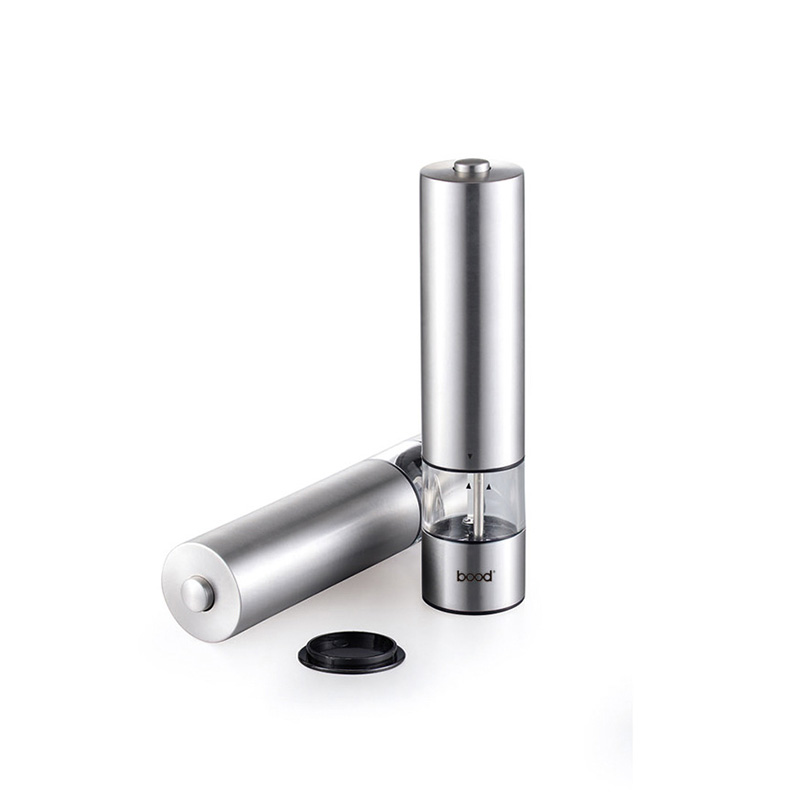 DH-01
DH-01Classic Electric Stainless Steel Salt And Pepper Grinder
-
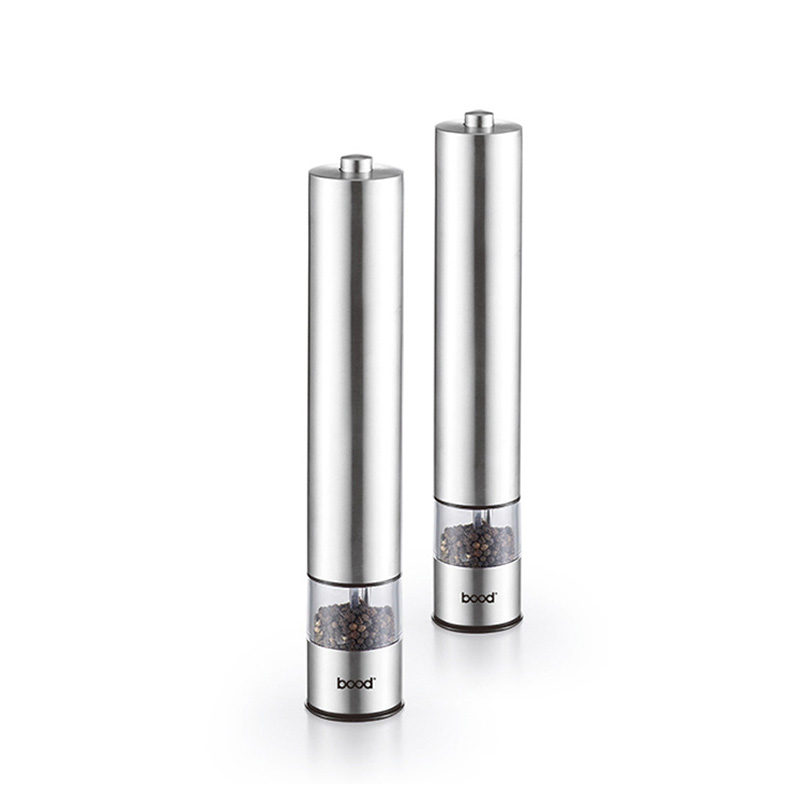 DH-01C
Electric Tall Salt and Pepper Mill Grinder with Flat Head
Copyright © Yongkang Funansheng Industry & Trade Co., Ltd.

China Pepper Grinder