


 Language
 English
 Deutsch
 日本語
日本語 Inquiry
Don't hesitate to send a message
Yongkang Funansheng Industry & Trade Co., Ltd.

+86-579-87301950

Industry News
How Thumb-Operated Grinders Are Changing Kitchenware Design
Someone standing over a stove with a pan in one hand and a spice jar refusing to twist open in the other, trying to season a dish before it burns, is exactly the kind of everyday frustration that's pushing grinder design in a new direction. The Thumb Pepper Grinder, Salt Grinder Manufacturer market is changing as kitchenware buyers pay genuinely closer attention to ease of use, product appearance, and everyday handling. Grinders are no longer viewed only as simple containers for seasoning tucked away in a cabinet. Their shape, operating method, materials, and production consistency can all influence how a product actually fits into modern kitchens.
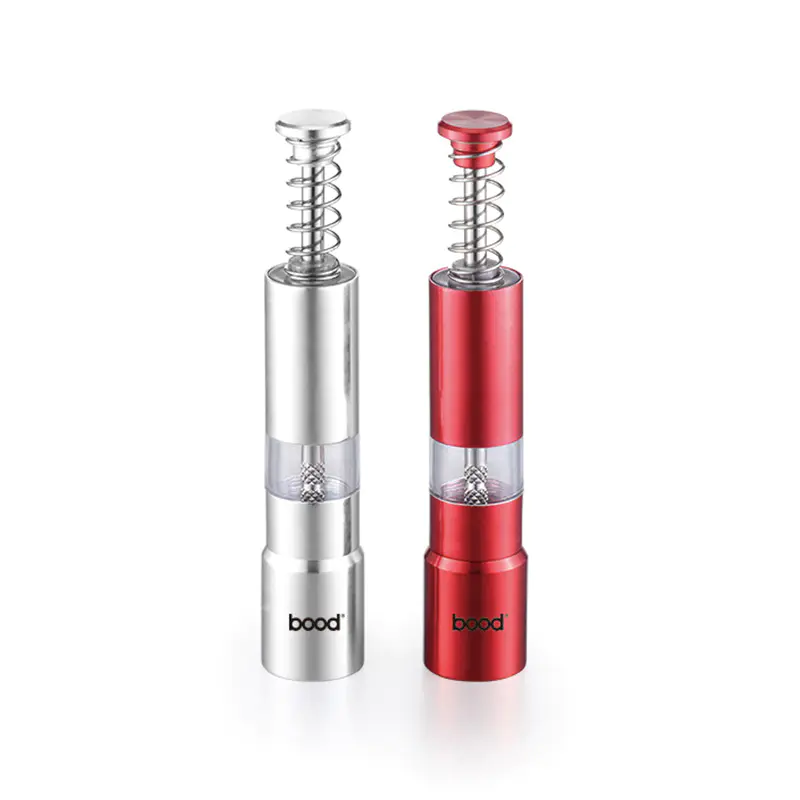
For manufacturers and buyers, this shift creates a genuinely broader product discussion than seasoning alone. A grinder needs to feel natural in the hand during a busy dinner prep. It needs to respond smoothly during use without a fight, and remain practical in different kitchen settings from a cramped apartment to a busy restaurant line. At the same time, manufacturers need to balance design expectations with production requirements that keep costs and consistency in check.
The thumb-operated format has attracted genuine attention because it offers a different way to control seasoning entirely. Instead of relying on a traditional twisting motion that requires both hands, the user can operate the grinder through a compact hand movement using just one thumb. This can make the product genuinely interesting for home kitchens, restaurants, gift collections, and other food-related settings looking for something a bit different.
Why Thumb-Operated Grinders Are Attracting Attention
Thumb-operated grinders attract attention because their operating method changes how users interact with a genuinely familiar kitchen product they've used for years. Traditional grinders often require the user to hold and twist the body repeatedly, which can get tiring during a big cooking session. A thumb-operated design can provide another approach that may feel genuinely more convenient for some users juggling multiple tasks at once.
This difference becomes genuinely noticeable during routine cooking at home. People often season food while holding another utensil, checking a pan on the stove, or preparing ingredients on a cutting board nearby. A grinder that can get operated with a simple hand movement may fit these situations genuinely more naturally than one demanding a full grip and twist.
The design also creates opportunities for a genuinely different visual identity on the shelf. A compact grinder can look genuinely less like a traditional mill sitting in a grandparent's kitchen and more like a modern kitchen accessory someone would display proudly on a counter.
For buyers, this means the product should get evaluated well beyond its appearance in a product photo. The operating position, grip, button placement, refill method, and overall balance all influence the actual experience once it's in someone's hand.
| Design Consideration | Buyer Concern |
|---|---|
| Operating method | Is the grinder easy to use during cooking? |
| Grip | Does the body feel comfortable to hold? |
| Refill access | Can seasoning be added without unnecessary effort? |
| Appearance | Does the design suit the intended market? |
| Cleaning | Can the product be maintained conveniently? |
| Production | Can the design remain consistent during manufacturing? |
A successful product concept therefore needs to connect genuine user habits with practical manufacturing decisions made on the factory floor.
How Product Shape Affects User Experience
Product shape directly affects how easily users can hold, operate, store, and clean a grinder day after day. A grinder may look genuinely attractive on a product page under studio lighting, but its real value becomes genuinely clearer once it's used repeatedly in an actual everyday kitchen.
A rounded body can provide a genuinely natural grip that fits most hand sizes. A flatter structure may make the product genuinely easier to place on a countertop without it rolling away. A compact form can help with storage in crowded kitchen spaces where every drawer counts.
The thumb-operated structure adds another genuine consideration on top of the basic shape. The hand needs to reach the operating area without creating an uncomfortable position during repeated use. The relationship between the thumb, fingers, and grinder body should feel genuinely natural, not like a stretch.
Small design details can influence this experience considerably. An operating button that's genuinely difficult to reach may make the product frustrating to use during a rushed dinner. A body that's too smooth may feel genuinely less secure in a wet kitchen environment where hands are often damp from cooking.
Manufacturers therefore need to think about the complete hand movement, rather than focusing on one visual element in isolation from the rest.
This is also genuinely important when developing different product versions for different buyers. A grinder intended for home users may have genuinely different design expectations from one created for restaurants or hospitality applications running through dozens of uses a shift.
What Buyers Should Look for in a Salt Grinder
A salt grinder needs to balance convenient operation with a structure that genuinely suits the characteristics of the seasoning being used inside it. Salt can vary in appearance, texture, and storage condition depending on the type, so the product should get designed around its intended use rather than a generic template.
The container needs to protect the contents during normal kitchen use near steam and moisture. Its opening should also make refilling genuinely manageable without spilling salt across the counter. Buyers may prefer designs that allow the seasoning to get added without creating unnecessary mess during a busy prep session.
The operating experience matters here as well. A user should be able to understand how the grinder works without a genuinely complicated learning process standing in the kitchen reading instructions.
For a Salt Grinder Manufacturer, these expectations influence decisions throughout product development from the first sketch. The manufacturer may need to consider the body shape, internal arrangement, refill access, operating structure, and material selection as one complete system working together, rather than separate parts.
Salt grinders can also serve genuinely different market segments depending on the buyer. Some buyers may focus on appearance and gift packaging for a holiday collection. Others may prioritize everyday cooking convenience above all else. Commercial users may care genuinely more about durability and cleaning, since the grinder will see heavy daily use.
The product concept should reflect the intended market, rather than attempting to satisfy every possible user with the same generic design.
How Manufacturers Can Balance Appearance and Practical Use
Manufacturers can balance appearance and practical use by treating visual design as part of product functionality, rather than as a separate feature bolted on at the end. A grinder can have a genuinely distinctive appearance while still providing a comfortable grip and convenient operation for the person using it.
Modern kitchen products often need to work in genuinely visible spaces around the home. Consumers may leave grinders on countertops rather than storing them inside cabinets out of sight. This makes appearance genuinely more important than it was for some traditional kitchen tools tucked away after use.
Material appearance can influence the perceived character of the product on a shelf. A simple finish may create a clean kitchen look that matches minimalist décor, while another surface treatment may create a genuinely warmer or more decorative impression for a different audience.
Shape also affects visual identity considerably. Curved bodies can create a softer appearance that feels approachable. Straight lines can give a genuinely more structured look for a modern kitchen. Compact proportions may make the product feel suited to smaller kitchens where counter space is tight.
However, design decisions shouldn't make routine use unnecessarily difficult just to look good in a photo.
A grinder still needs to be held, operated, opened, refilled, cleaned, and stored throughout its working life. When these actions get considered during product development from the start, visual choices can support, rather than interfere with, usability day to day.
This balance is especially important for manufacturers producing products for genuinely different markets. Consumer preferences can vary between regions, sales channels, and customer groups in ways worth studying before committing to one design.
Why Material Selection Matters
Material selection influences a grinder's appearance, handling experience, cleaning requirements, and suitability for repeated kitchen use over months of ownership. Buyers therefore need to consider materials as part of the complete product concept, not an afterthought.
A kitchen grinder may encounter moisture, seasoning particles, oils, cleaning products, and frequent handling throughout its life on the counter. The selected materials should fit these conditions and the intended product positioning in the market.
The body material also affects how the product genuinely feels in the hand during use. Some materials create a lightweight impression that feels almost delicate. Others give a genuinely more substantial feel that suggests durability.
Surface treatment can influence cleaning and appearance considerably over time. A surface that looks attractive but easily shows marks may require genuinely more attention from users wiping it down after every use.
Manufacturers must also consider how different materials work together during production runs. The outer body, internal parts, operating components, and decorative elements need to form a genuinely practical product, rather than a collection of unrelated materials stuck together.
This is where manufacturing experience becomes genuinely important to the outcome.
A product can have a genuinely appealing concept on paper but still require changes once production actually begins. Material availability, assembly methods, finishing processes, and quality inspection can all influence the final design that reaches customers.
How Manufacturing Consistency Affects Grinder Quality
Manufacturing consistency matters because buyers genuinely expect products with the same design to provide a similar experience across production batches ordered months apart. This is particularly important for wholesale customers, retailers, and private-label buyers who can't afford surprises.
A grinder contains multiple parts that need to work together smoothly. If the fit between parts changes during production, users may genuinely notice differences in operation, appearance, or assembly quality from one batch to the next.
Consistent production begins with a genuinely clear product design agreed on upfront. Drawings, samples, material requirements, and inspection standards should provide a shared reference for the manufacturer and buyer to work from together.
Communication is also genuinely important when customized products are involved in an order. A buyer may request a specific body shape, surface finish, packaging arrangement, or operating method for their line. These requirements need to get clearly understood before production moves forward on a large batch.
Quality control should cover both appearance and practical use together, not one or the other.
A surface may look genuinely acceptable while an operating component doesn't perform as expected once tested. Similarly, a grinder may function correctly but have inconsistent visual details that stand out on a shelf next to others.
Manufacturers therefore need a genuinely balanced inspection process that considers the complete product, rather than checking boxes on a surface-level list.
For buyers, asking about production control can provide genuinely useful information before placing an order worth thousands of units. It can also reduce misunderstandings when a product moves from sample development to larger production runs.
What Role Customization Plays in Grinder Manufacturing
Customization allows buyers to adapt grinder products to specific market needs, product collections, or sales channels they're targeting. It can involve genuinely more than adding a logo to an existing item pulled off a shelf.
Customization may include body shape, color, surface appearance, packaging, operating method, or product combinations sold as a set.
A restaurant supply buyer may want a genuinely practical design that fits frequent use through dozens of covers a night. A household product retailer may focus genuinely more on appearance and packaging for a gift shelf. A gift-oriented buyer may look for a coordinated set of grinders with a genuinely unified visual style across pepper and salt.
These differences genuinely influence manufacturing decisions made early in development.
A manufacturer needs to understand which elements are flexible and which parts should remain genuinely consistent for reliable production runs. Too many changes can make a product genuinely unnecessarily complicated to manufacture at scale. A focused customization plan can create a genuinely clearer production process for everyone involved.
Samples are genuinely useful at this stage of development. They allow buyers to evaluate the physical product, rather than relying only on drawings or digital images that don't capture the actual feel.
The sample review can cover grip, operation, appearance, refill access, and general usability all at once, in hand.
This creates a genuinely direct connection between the buyer's expectations and the manufacturer's production capabilities before a large order gets placed.
How Buyers Should Evaluate a Grinder Manufacturer
Buyers should evaluate a grinder manufacturer by looking at product development, production consistency, communication, customization support, and after-sales service together, rather than judging on one factor alone. A supplier shouldn't get judged only by the appearance of a sample sitting on a table.
A useful purchasing review can include several areas worth walking through carefully.
- Product development: can the manufacturer turn a basic product concept into a practical design?
- Material planning: are suitable materials available for the intended application?
- Production capability: can the manufacturer maintain consistent product quality during repeated production?
- Customization: can the supplier accommodate reasonable changes in appearance, structure, or packaging?
- Quality inspection: does the supplier have a clear approach to checking finished products?
- Communication: can product requirements be discussed clearly before production?
- After-sales support: is there a process for handling product issues after delivery?
These questions are particularly relevant when working with a Thumb Pepper Grinder, Salt Grinder Manufacturer for wholesale or customized projects that need to scale reliably.
The right supplier relationship isn't based on one product feature that caught someone's eye. It depends on whether the manufacturer's design, production, communication, and service capabilities genuinely fit the buyer's actual requirements over a longer partnership.
As kitchen products continue to combine practical operation with genuinely stronger visual identities on crowded shelves, grinder manufacturing is becoming a genuinely broader design and production discussion rather than a simple parts order. Thumb-operated formats, compact bodies, different materials, and customized appearances give buyers genuinely more options to work with, while manufacturers need to keep usability and production consistency at the center of product development throughout that process.
Recommended Products
-
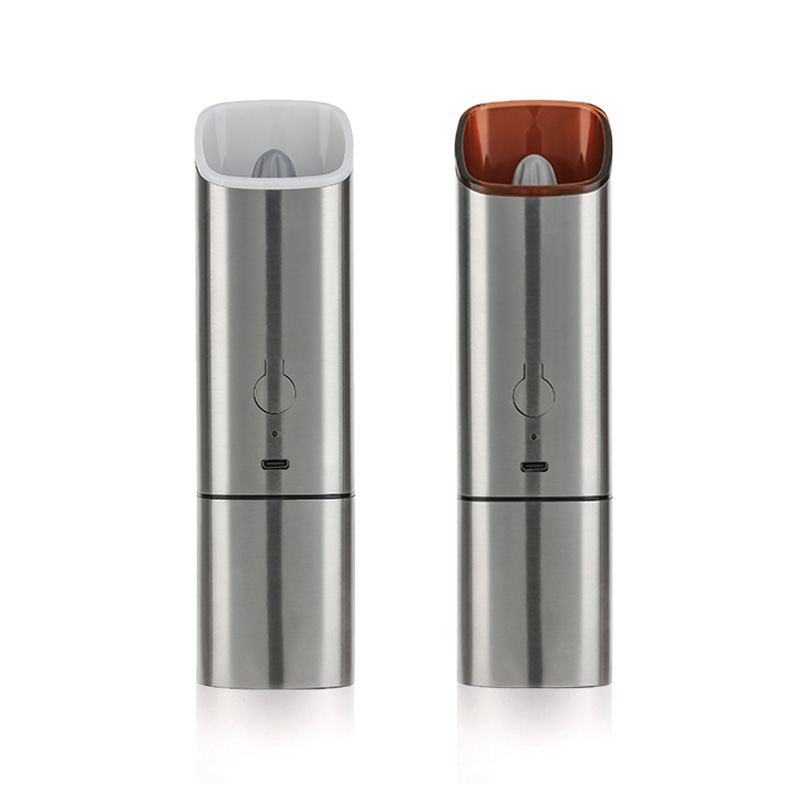 CH-01
CH-01USB Rechargeable Electric Salt Pepper Grinder
-
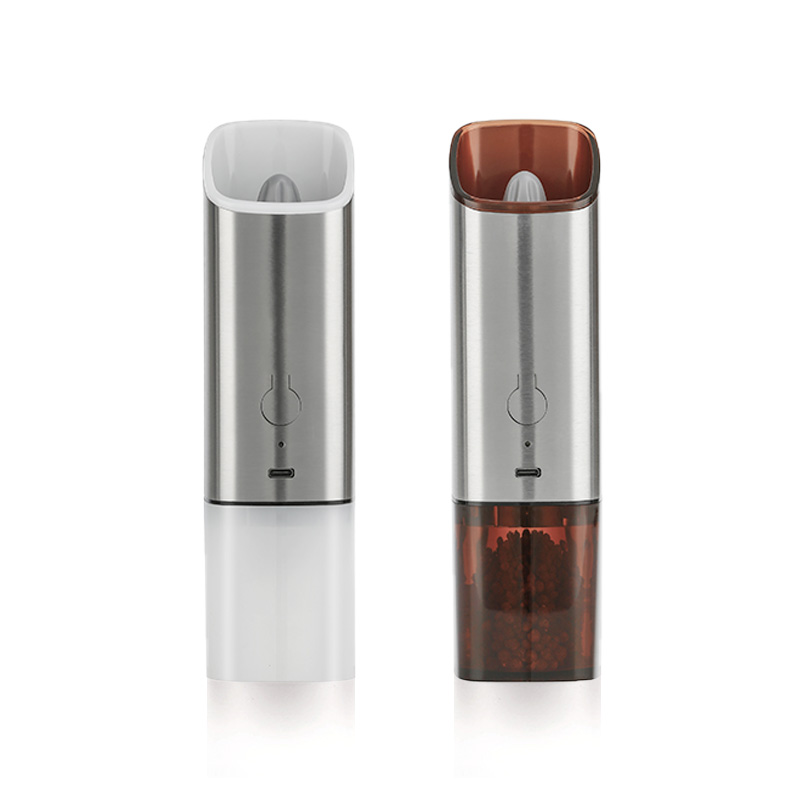 CH-01P
USB Rechargeable Electric Salt And Pepper Mill Set
-
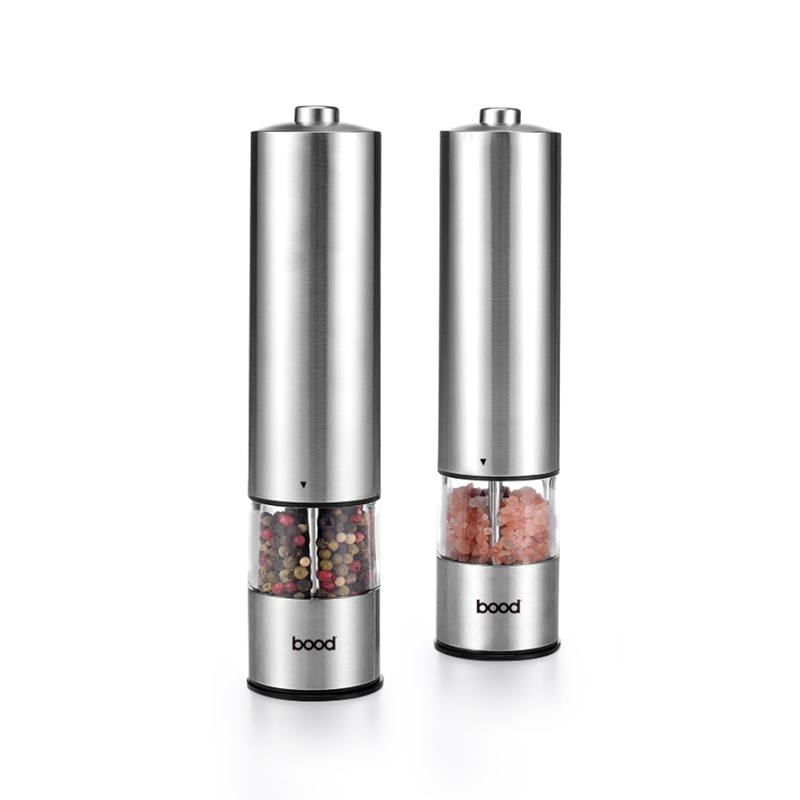 DH-00
DH-00Classy Design Electric Pepper Mill With Stainless Steel Body
-
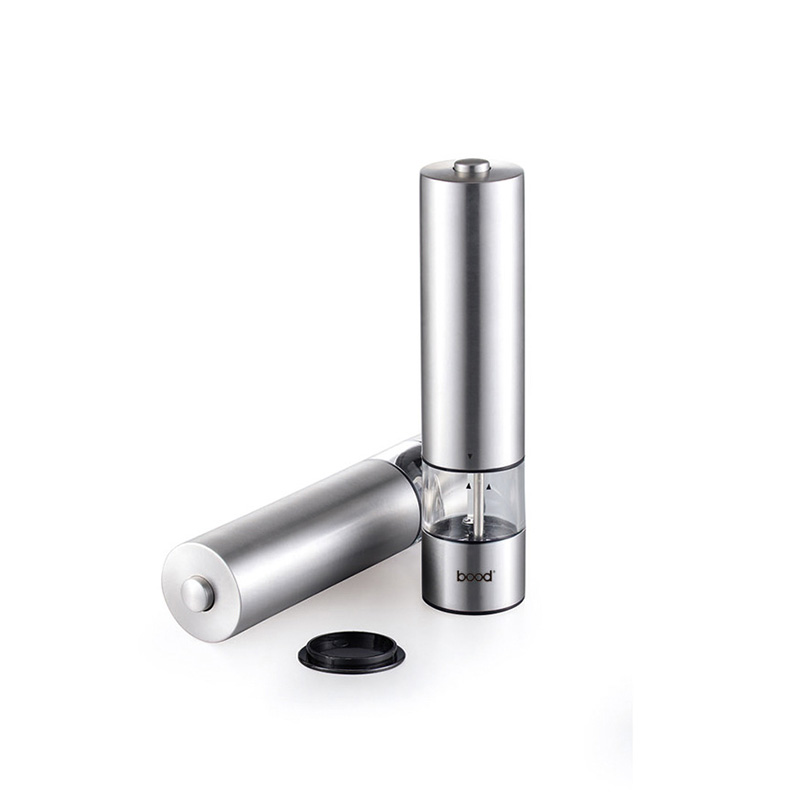 DH-01
DH-01Classic Electric Stainless Steel Salt And Pepper Grinder
-
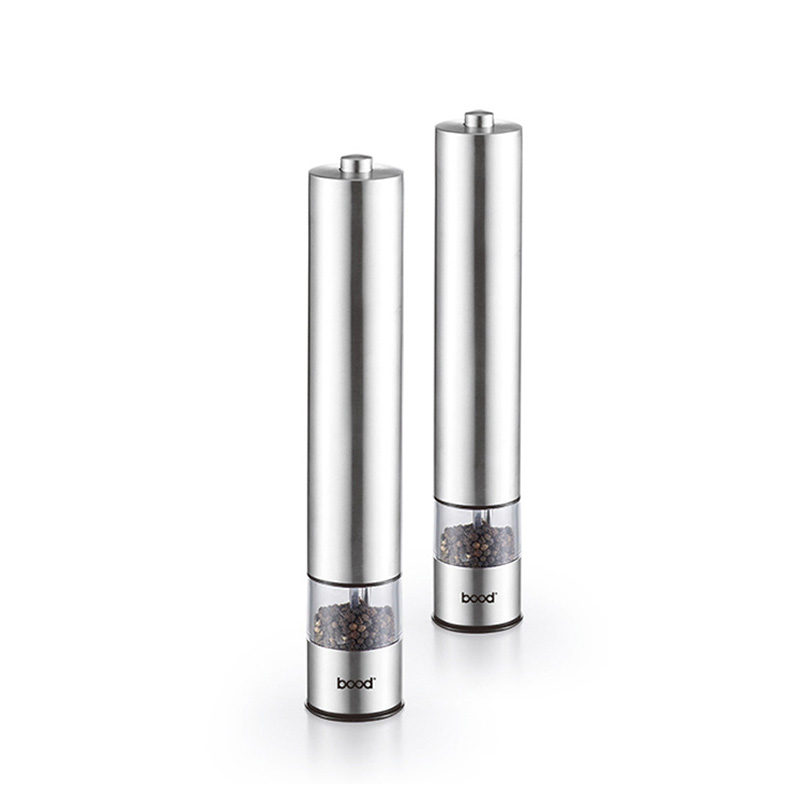 DH-01C
Electric Tall Salt and Pepper Mill Grinder with Flat Head
Copyright © Yongkang Funansheng Industry & Trade Co., Ltd.

China Pepper Grinder