


 Language
 English
 Deutsch
 日本語
日本語 Inquiry
Don't hesitate to send a message
Yongkang Funansheng Industry & Trade Co., Ltd.

+86-579-87301950

Industry News
How Does Thumb Pepper Grinder Design Affect User Experience
Someone standing at the stove, stirring a pot with one hand while trying to season a dish with the other, doesn't want to stop and fumble with a pepper mill that needs a full two-handed twist. That single moment — trying to grind pepper one-handed while genuinely busy cooking — captures pretty much everything that matters about thumb pepper grinder design. A pepper grinder looks like a simple object sitting on a counter, but small design choices shape how comfortable it feels in the hand and how easily someone actually controls the grinding process while their attention is split between three other things.
Kitchen tools these days get judged on more than whether they technically work. People notice whether a grinder feels natural to hold, whether the grinding motion makes sense without instructions, and whether it looks like it belongs on the counter or dining table instead of getting shoved into a drawer. Appearance genuinely matters here too, especially for a grinder that stays out in the open rather than living in a cabinet.
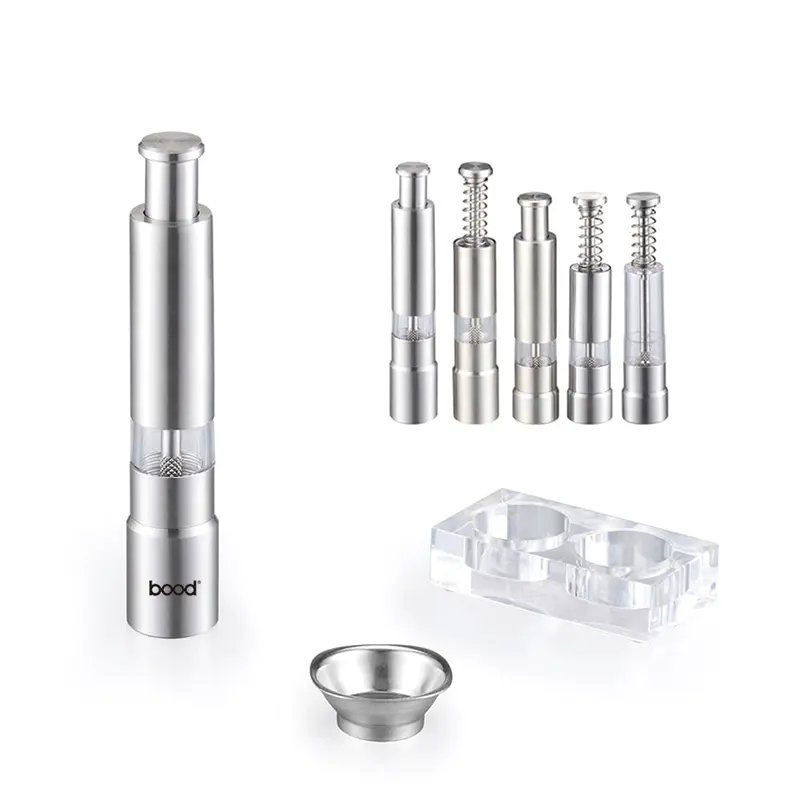
For manufacturers, all of this adds up to several real design considerations at once. A grinder needs to work reliably while staying comfortable and genuinely practical to use. How the shape, the operating mechanism, the material, the grinding control, and the overall look relate to each other shapes how people end up perceiving the whole product.
A well-planned thumb pepper grinder can make the grinding action feel a lot more direct than a traditional twist-top mill. Its operating method genuinely changes the experience compared to the hand-twisting design most people grew up using.
Why the Operation Method Actually Matters
The operation method matters because someone has to understand how a pepper grinder works before they can use it comfortably, especially mid-cooking when there's no time to figure things out. A design that demands unnecessary hand movement turns a simple seasoning task into a small annoyance, while a clear, obvious operating action lets the grinder just disappear into someone's normal routine.
A thumb pepper grinder puts the thumb at the center of the operating process. Instead of relying entirely on a twisting motion that usually needs both hands, the user interacts with the grinder through one focused, simple movement. That's genuinely useful when the other hand is already holding a spoon, a knife, or a pan handle.
Where the button or control area sits on the grinder affects the whole experience too. If it's easy to reach naturally, someone can operate the grinder without constantly readjusting their grip between uses. If it's placed awkwardly, they end up repositioning the whole thing in their hand before every single use, which gets old fast during a busy dinner prep.
This shows up most clearly during actual meal preparation, when several small actions are happening close together in a short window. A grinder that operates without breaking someone's workflow just feels more practical in the moment, even if that difference is hard to describe in a product listing.
The operating method really has to be considered together with the overall body shape. A perfectly designed button doesn't create a comfortable experience if the rest of the grinder is awkward to hold in the first place.
Manufacturers need to look at the whole interaction as one sequence: someone picks up the grinder, positions it over the food, operates the control, checks how much pepper actually came out, and sets it back down. Every step in that sequence contributes to how the product feels overall, not just the button-press moment.
How Grip Design Shapes Comfort
Grip design shapes comfort because the hand needs to stay stable the whole time someone's operating the grinder. A product can look great in photos and still feel awkward in practice if its shape doesn't work with how a hand naturally moves and holds things.
Body shape matters a lot for a thumb pepper grinder specifically. Fingers need enough room to hold the body securely while the thumb reaches the control area without straining. A well-balanced shape makes that whole reach feel natural instead of forced.
Surface texture plays into handling too. A smooth, polished finish creates a different feel in the hand than a lightly textured surface — which one makes sense really depends on the intended style and material of the piece.
Weight changes how the grinder feels in real use as well. Something that's genuinely hard to hold gets tiring fast with repeated use throughout a meal, while something too light can feel flimsy or unstable to some people, even if it works fine.
The grip also needs to work across different hand sizes, since kitchen tools usually get shared across a whole household — one person's teenager might be using the same grinder as their grandparent. Designers need to think past just one idealized user.
Shape transitions matter here too. Sharp edges or sudden changes in the body's profile change where fingers naturally want to rest. Rounded, carefully shaped transition areas tend to give a more comfortable contact surface than anything with hard angles.
These details sound minor during product development, sitting on a designer's desk, but they become very noticeable the moment a grinder gets used over and over, night after night at the dinner table.
How Grinding Control Shapes the Cooking Experience
Grinding control affects the cooking experience because people generally want to decide for themselves how much pepper goes on their food and how it spreads across the dish. A grinder that gives a clear sense of control makes seasoning feel manageable rather than unpredictable.
Different dishes call for different amounts of pepper — a light finish on a delicate fish dish, a heavier hand on a rich stew. People benefit from a grinder that adjusts easily to match whatever's actually on the stove that night.
The adjustment mechanism itself needs to be easy to understand at a glance. If someone can't tell how the adjustment actually works, they'll probably just avoid touching it altogether and stick with whatever setting it came on. Simple visual or physical feedback — a dial that clicks, a marking that's easy to read — makes the whole process feel a lot more approachable.
The texture of the ground pepper matters too. Some people want a fine dust that blends invisibly into a sauce, others want a coarse, visible grain that adds texture to a finished dish. The grinder needs to allow that kind of adjustment without turning it into a fussy, multi-step process.
A China pepper mill manufacturer might offer several internal and external configurations to fit different product needs, but the design still has to stay focused on how the finished product actually gets used, rather than piling on features just to look more advanced on a spec sheet.
People generally appreciate controls they can find and understand without thinking twice. Once an adjustment becomes part of the normal cooking rhythm, it shouldn't demand much conscious attention at all.
The right design direction really depends on the intended market. A household grinder, a restaurant tabletop grinder, and a specialty gift-market product each carry different expectations from the people actually buying and using them.
What Role Appearance Plays in a Pepper Grinder
Appearance matters because pepper grinders usually sit out in plain view — on a dining table, on a kitchen counter — rather than getting tucked away in a drawer like most other kitchen tools. The shape, finish, and overall visual style shape whether someone feels the product actually fits their kitchen.
A sleek modern kitchen tends to favor a clean, simple appearance. A more traditional kitchen might call for a warmer, more classic shape. The design needs to reflect whatever positioning the product's going for, without sacrificing how it actually functions in the hand.
Color and surface finish shift perception quite a bit too. A wood-toned surface tends to feel warmer and more traditional, while metal or other smooth materials give off a cleaner, more contemporary character.
Appearance shouldn't come at the expense of function, though. A visually appealing grinder still has to be genuinely comfortable to hold and simple to operate — looks alone don't make dinner prep easier.
The relationship between the operating control and the exterior design matters especially for a thumb pepper grinder. The button or thumb area needs to look like it was actually designed as part of the product, not bolted on as an afterthought that clashes visually with everything else.
Manufacturers also think about how a grinder looks sitting next to other kitchen products. A coordinated product range might reuse similar shapes or surface treatments across different sizes and pieces, which helps a whole kitchenware collection feel like it was designed together rather than assembled from mismatched parts — useful for businesses building out a full product line without leaning on excessive decoration to tie things together.
How Material Choice Shapes the User Experience
Material choice shapes the user experience through weight, surface feel, appearance, and how the product holds up to everyday handling. What a pepper grinder's made from affects not just how it looks on a shelf but how it actually feels the moment someone picks it up mid-recipe.
A kitchen grinder gets handled constantly, and not always with clean, dry hands — sometimes it's picked up with damp fingers right after washing vegetables, or hands that still have a bit of oil or seasoning on them. The surface needs to hold up to that kind of everyday kitchen reality.
Different materials create very different impressions too. A wooden body feels warm and familiar, almost nostalgic for some people, while metal or synthetic materials give off a cleaner, more modern feel.
The material also has to work with the whole build — the outer body, the internal grinding mechanism, the operating control, and the grinding chamber all need to function together as one coherent piece, not as parts that were each chosen in isolation.
For manufacturers, material choice feeds directly into production planning. A particular material might need a completely different forming or finishing process, which shapes how the final product actually gets made on the factory floor.
A pepper mill manufacturer has to balance how the product looks against what's actually practical to produce. The material needs to support the intended feel and function while still being realistic to manufacture consistently, batch after batch.
Material choice ties into cleaning too. Since these are kitchen products, people expect to be able to wipe them down easily after use. A surface with too many grooves, textures, or hard-to-reach crevices creates real cleaning headaches down the line, even if it looked great in a design render.
Can Thumb Pepper Grinder Design Genuinely Make Cooking Easier?
Thumb pepper grinder design makes cooking genuinely easier when the operating motion fits naturally into movements someone's already making while cooking. Real convenience usually comes from cutting out small interruptions, not from stacking on a long list of features nobody asked for.
Picture someone holding a wooden spoon in one hand while stirring a pot, needing a quick shot of pepper into the dish. If the grinder responds to a simple thumb press, they don't need to set the spoon down or shift their grip on anything else — the seasoning just happens in the middle of what they were already doing.
This same interaction works well at the dining table too. A guest can pick up the grinder, hold it over their plate, and press the control without needing anyone to explain how it works first.
Where the control sits really matters here. A thumb-operated button placed somewhere awkward to reach undercuts the whole point of the design. It needs to sit exactly where a natural grip would put the thumb anyway.
How much force the control needs affects comfort too. If it takes real effort to press, repeated use throughout a meal gets tiring fast. If it's too sensitive, people risk triggering it by accident just picking the thing up.
Designers have to land somewhere in the middle — a control that responds clearly and predictably while staying comfortable through normal, repeated use.
All of this is exactly why user experience needs to be part of the process from the very beginning of development. Trying to fix an uncomfortable interaction after the product's basic structure is already locked in is a lot harder than getting it right the first time around.
How Manufacturers Develop a Genuinely User-Friendly Pepper Mill
Manufacturers develop a user-friendly pepper mill by thinking through the whole path from initial concept to someone actually using it at their kitchen table. That process touches on shape, operation, material, internal layout, appearance, assembly, and quality checks along the way.
A pepper mill manufacturer usually starts with the intended market. A product built for home kitchens carries different requirements than one aimed at restaurants, hotels, or gift collections meant to sit nicely in a box on a shelf.
Physical samples help designers actually evaluate the grip and the operating motion in a way renderings never can. Holding a real model shows pretty quickly whether a thumb naturally lands on the control and whether the grinder stays stable while it's being used.
The grinding experience itself gets reviewed too — testing how easily the grind adjusts and whether the resulting pepper texture actually suits the kind of cooking people are likely doing with it.
Manufacturing realities come into play at this stage as well. A design that looks great as a one-off prototype can turn out genuinely difficult to produce consistently at scale. The manufacturer has to work out whether the chosen materials, shapes, and assembly steps can actually hold up across regular production runs, batch after batch.
Quality checks tend to focus on real user experience too, not just visible surface defects. That means checking whether the button responds consistently every time, whether the body fits together correctly, and whether the grinding action feels stable and predictable in the hand.
This whole approach ties product development directly back to how the thing actually gets used once it's out of the factory and into someone's kitchen.
What Buyers Should Look for in a China Pepper Mill
Buyers sourcing a China pepper mill should look closely at operation, grip, grinding adjustment, material, appearance, cleaning, and production consistency. Price alone doesn't tell anyone whether a given product actually suits their particular market.
The intended customer should really guide the whole selection process. A household product needs a comfortable shape and simple, obvious operation, while a restaurant product needs to hold up to frequent daily use across a busy service.
Buyers can request physical samples to actually test the grip and the operating feel firsthand. Photos and drawings show appearance well enough, but they can't communicate how a grinder actually feels sitting in someone's hand.
The grinding control itself is worth testing directly too. The adjustment should be understandable at a glance and easy to use without extra unnecessary steps getting in the way.
The outer material and finish should get reviewed with the target market in mind, since visual preferences shift quite a bit depending on the kitchen environment and what customers in that market actually expect to see.
Packaging and cleaning deserve real thought too. A grinder that feels great to hold but turns out to be a pain to clean isn't going to deliver the experience people were hoping for once they've had it for a few weeks.
For businesses working with a China pepper mill supplier, clear communication matters a lot. Sharing product drawings, samples, target user profiles, material preferences, and packaging requirements upfront helps manufacturers actually understand the project instead of guessing. Clear requirements early on also cut down on unnecessary changes further into production, once tooling and materials are already committed.
How Manufacturers Balance Design and Production Needs
Manufacturers balance design and production needs by developing products around both how people actually interact with them and what's realistic to manufacture. A grinder needs to feel good in the hand, sure, but it also needs to be producible and assembled consistently, run after run.
Complex shapes tend to create real production challenges. A simpler exterior is usually easier to manufacture reliably, but it still needs to deliver the grip and appearance the product's actually going for — simple doesn't mean careless.
The same logic applies to the internal structure. More internal components can add more functions, sure, but they also add more assembly steps and more places where something can go wrong on the line.
A genuinely practical product design starts from what people actually need. Features that improve how the grinder operates carry real value. Features that just add visual complexity without improving the actual experience often don't contribute much at all, beyond making the product harder to build.
This balance matters especially for businesses developing private-label kitchen products. They usually want something visually distinctive while keeping it realistic to produce consistently at volume.
A pepper mill manufacturer can help evaluate early on whether a proposed design is actually workable to manufacture. Getting designers and suppliers talking early — about materials, assembly steps, grinding control, and appearance — before production starts saves a lot of headaches down the line.
The end result should be a product that doesn't just look right in a catalog photo but genuinely works well sitting on someone's real kitchen counter.
The growing interest in kitchen tools with clear, intuitive operation gives thumb pepper grinder designs a real, practical place in the market. How good that experience actually feels comes down to the interplay between grip, thumb control, grinding adjustment, material, appearance, and how consistently the whole thing gets manufactured.
Recommended Products
-
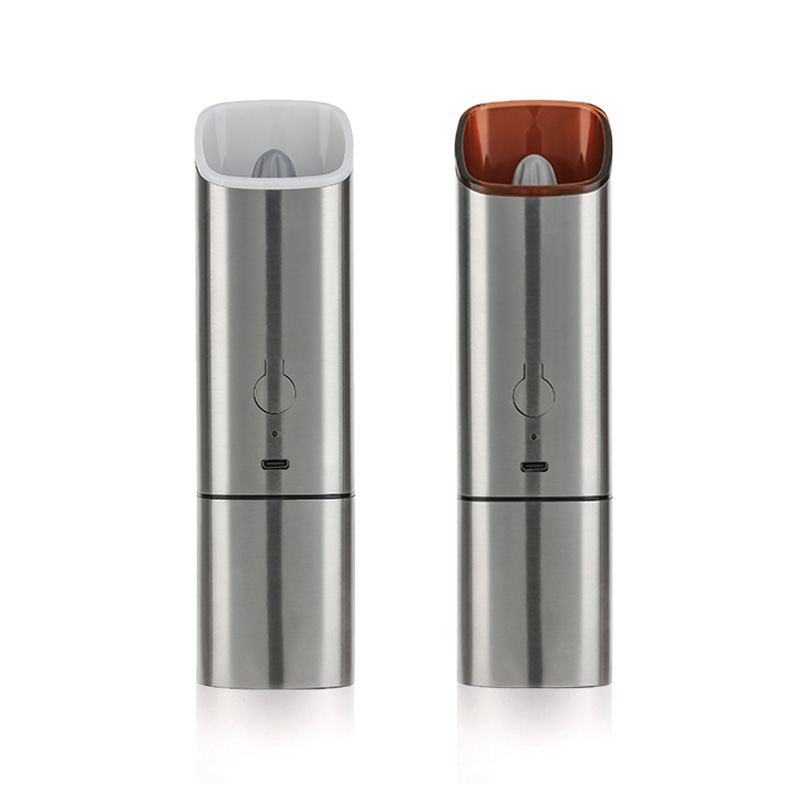 CH-01
CH-01USB Rechargeable Electric Salt Pepper Grinder
-
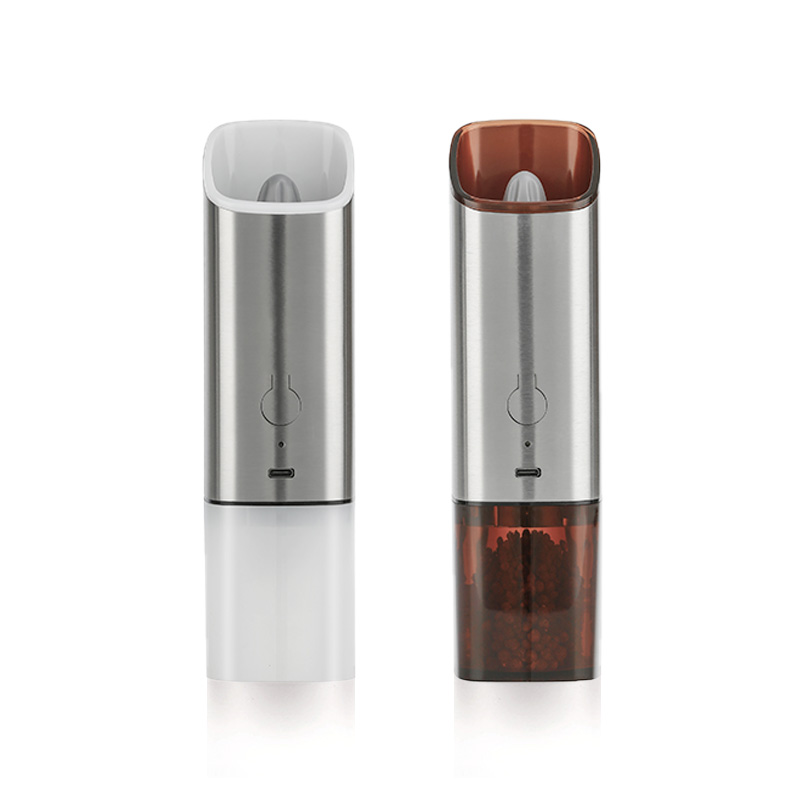 CH-01P
USB Rechargeable Electric Salt And Pepper Mill Set
-
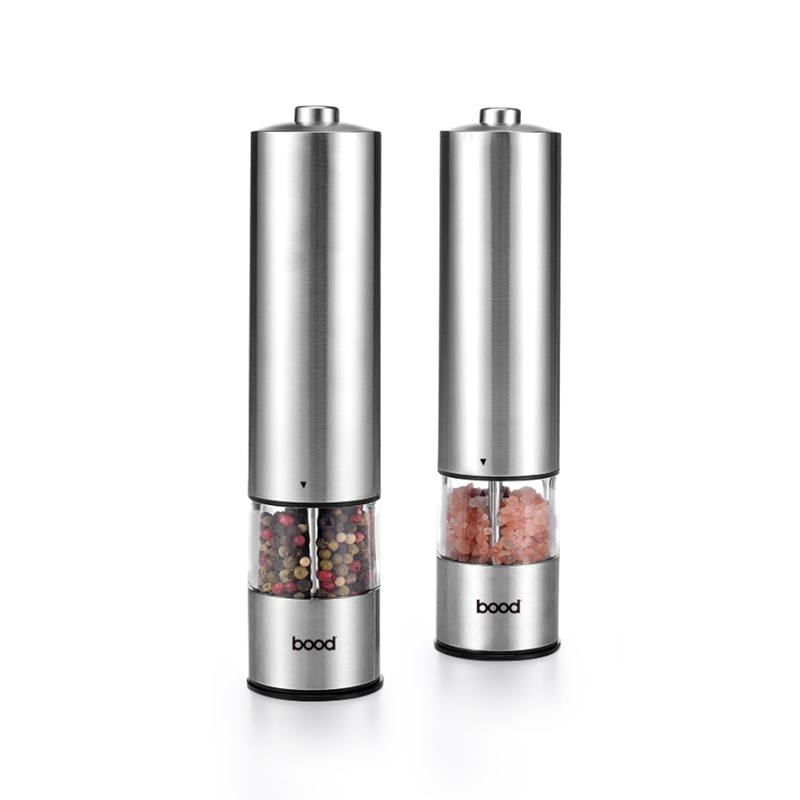 DH-00
DH-00Classy Design Electric Pepper Mill With Stainless Steel Body
-
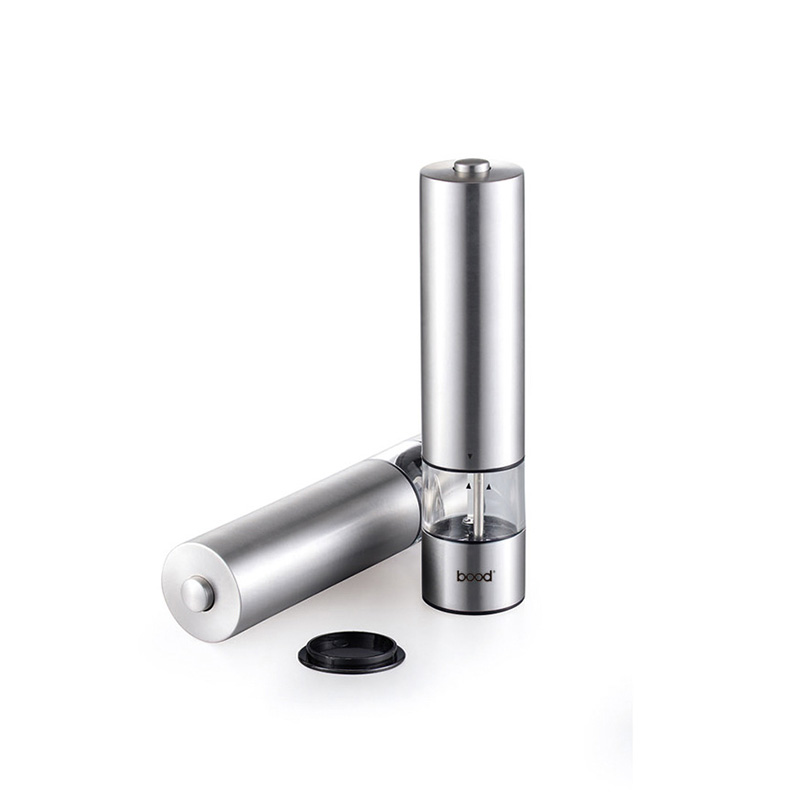 DH-01
DH-01Classic Electric Stainless Steel Salt And Pepper Grinder
-
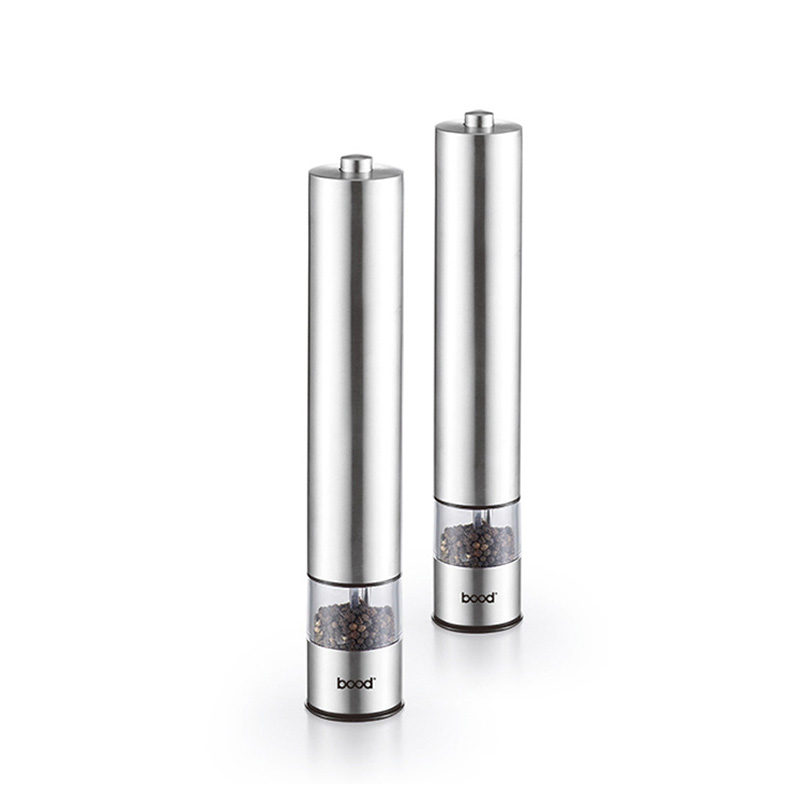 DH-01C
Electric Tall Salt and Pepper Mill Grinder with Flat Head
Copyright © Yongkang Funansheng Industry & Trade Co., Ltd.

China Pepper Grinder