


 Language
 English
 Deutsch
 日本語
日本語 Inquiry
Don't hesitate to send a message
Yongkang Funansheng Industry & Trade Co., Ltd.

+86-579-87301950
Industry News
How to Adjust Pepper Grinder for Better Grinding Results?
Twist a pepper grinder over a pasta dish and out comes either a fine dust that disappears into the sauce or chunky flecks that crunch between your teeth — same peppercorns, same grinder, just a different setting turned a notch one way or the other. Learning how to adjust pepper grinder settings is really about understanding that one small dial or knob, since it decides whether pepper blends quietly into a dish or announces itself with every bite. Whether someone's working with a Power Pepper Grinder, a Pepper Grinder Manual, a Thumb Pepper Grinder, or a Portable Pepper Grinder, the underlying idea stays the same even if the controls look a little different.
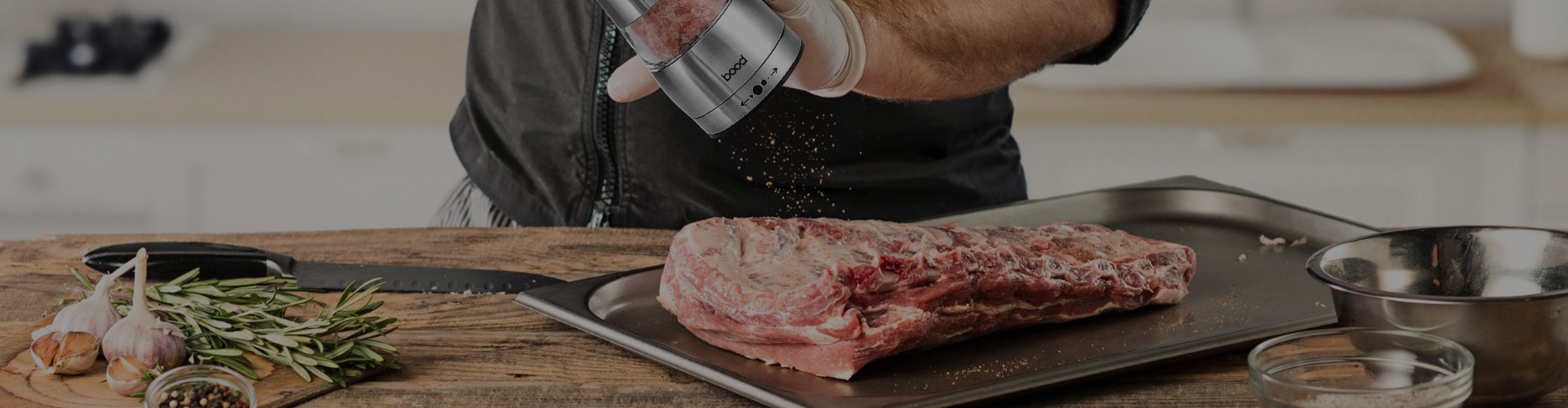
Some dishes call for pepper that disappears into a sauce without any texture at all. Others want visible flecks sitting on top of a steak, doing as much for the eye as for the tonge. A grinder that adjusts properly gives a cook control over both outcomes instead of settling for whatever happens to come out.
Why Bother Adjusting the Grind at All
Peppercorns crushed at one fixed setting work fine for basic seasoning, but cooking rarely stays that simple. A cream sauce wants pepper it can absorb evenly. A grilled steak wants pepper sitting visibly on the crust.
| Cooking Situation | Grind That Fits |
|---|---|
| Blending into sauces | Fine texture |
| Finishing a steak or salad | Coarse texture |
| Everyday seasoning at the table | Medium setting |
| Specific recipes calling for texture | Custom adjustment |
Getting this right isn't about following a strict rule. It's closer to matching the tool to whatever's actually cooking that night.
What's Happening Inside When You Adjust the Setting
Nearly every pepper grinder relies on two grinding surfaces sitting close together, and the adjustment mechanism changes how tightly those surfaces press against each other. Move them closer and peppercorns get crushed into smaller pieces. Pull them apart slightly and pieces come out larger.
| Grinder Type | How Adjustment Happens |
|---|---|
| Manual grinder | A knob or ring gets turned by hand |
| Electric grinder | Buttons or a dial control the setting |
| Thumb grinder | A small built-in control shifts the grind |
| Portable grinder | A compact, simplified adjustment point |
Once someone understands this basic idea — closer surfaces mean finer pepper — adjusting any grinder becomes a lot less confusing regardless of the specific design in front of them.
Adjusting a Grinder Step by Step
Nobody needs to overthink this process. It's mostly trial, a quick test, and a small correction if needed.
- Check where the grinder is currently set
- Turn the adjustment part slightly toward finer or coarser, depending on what's needed
- Grind a small amount onto a spoon or plate to check the result
- Adjust again if the texture isn't quite right
- Keep using that setting once it matches what the dish calls for
Small, gradual turns work better than one big twist. Overcorrecting tends to send the setting too far in the opposite direction, and then you're adjusting back and forth without ever landing where you wanted.
Adjusting a Manual Grinder
A Pepper Grinder Manual puts the whole process directly in someone's hands, which is part of why plenty of cooks still reach for one instead of switching to something powered.
- Hold the grinder firmly with one hand
- Locate the adjustment ring, usually near the top or the base
- Turn it slowly, a small amount at a time
- Grind a bit and check the texture
- Fine-tune from there based on what came out
There's something satisfying about a manual grinder that a lot of home cooks mention — twisting it by hand over a finished dish feels more connected to the actual cooking than pressing a button ever does.
Adjusting an Electric Grinder
A Power Pepper Grinder takes the physical twisting out of the equation, relying instead on a motor to do the crushing while a button or switch controls how fine the result comes out.
| What Someone Wants | Why an Electric Grinder Helps |
|---|---|
| Less physical effort | The motor handles the grinding |
| Fast seasoning at the table | One press produces a quick result |
| Frequent daily use | Holds up well under repeated grinding |
| Simple controls | Settings are usually clearly marked |
Getting the texture right still comes down to testing small amounts and adjusting the control gradually, the electric motor just removes the wrist strain that comes with grinding a full pepper mill by hand.
Adjusting a Thumb Grinder
A Thumb Pepper Grinder is built around one-handed operation, which makes it a practical choice at a dinner table where someone's holding a fork in one hand and doesn't want to set everything down just to season a plate.
Adjustment on these tends to be simpler by design:
- Test the current grind on a small amount of pepper
- Locate the small adjustment point, often near the grinding head
- Shift it slightly and test again
- Settle on whatever texture suits the meal in front of you
These grinders tend to show up at restaurant tables and in smaller kitchens where space and quick handling matter more than a wide range of settings.
Adjusting a Portable Grinder
A Portable Pepper Grinder solves a fairly specific problem — wanting fresh-ground pepper somewhere that isn't a full kitchen, whether that's a camping trip, a picnic, or a lunch packed for work.
| Situation | Why Adjustment Still Matters |
|---|---|
| Travel meals | Different foods still call for different textures |
| Outdoor cooking | A coarser grind often holds up better outdoors |
| Small kitchen spaces | One compact tool covers several seasoning needs |
| Repeated daily carrying | A sturdy adjustment mechanism avoids wear over time |
Someone packing lunches for work all week benefits from a portable grinder that adjusts easily, since a sandwich and a salad often call for two different pepper textures even on the same day.
Common Problems and What's Usually Behind Them
Adjustment issues tend to repeat across grinder types, and most of them trace back to the same handful of causes.
| Problem | Likely Cause |
|---|---|
| Pepper comes out too fine | Setting is turned too tight |
| Pepper pieces are too large | Setting is turned too loose |
| Grinding feels uneven | Peppercorns aren't moving smoothly through the mechanism |
| Adjustment feels stiff or stuck | Parts may need cleaning or a light check |
Making small changes rather than big jumps tends to solve most of these without much frustration. Jumping straight from one extreme to the other usually just means starting the guessing game over again.
Keeping a Grinder in Good Shape After Adjusting
A grinder that's kept clean stays easier to adjust and grinds more evenly over time. Leftover pepper dust and oil residue tend to build up inside the mechanism if it's ignored for too long.
- Wipe the grinder dry after use, especially if it's been near steam or moisture
- Clear out leftover pepper particles from inside the grinding chamber
- Check the moving parts every so often to make sure nothing feels stuck
- Avoid forcing the adjustment ring if it feels tight — a gentle touch usually works better
A grinder sitting on a kitchen counter for months without any cleaning tends to grind less evenly than one that gets wiped down and checked occasionally.
How Texture Actually Changes a Dish
Pepper doesn't taste the same depending on how finely it's ground, and the size of the pieces changes how a dish looks and feels as much as how it tastes.
| Texture | Where It Works Well |
|---|---|
| Fine grind | Sauces, dressings, dishes where pepper needs to blend in |
| Medium grind | Everyday cooking and general seasoning |
| Coarse grind | Finishing touches on steaks, salads, or roasted vegetables |
Someone making a pepper-crusted steak wants those visible flecks sitting on the surface, while someone whisking pepper into a vinaigrette wants it fine enough that it disappears into the mixture rather than settling at the bottom of the jar.
Why Adjustable Grinders Keep Showing Up in More Kitchens
Cooking habits have shifted toward wanting more control rather than settling for whatever a pre-ground jar offers. People want a tool that adjusts to the dish rather than a dish that has to work around a fixed seasoning texture.
Grinders like the Power Pepper Grinder, Pepper Grinder Manual, Thumb Pepper Grinder, and Portable Pepper Grinder all reflect this shift, just built around different situations — a busy kitchen, a quick dinner, a meal eaten outside the house.
Getting comfortable with how to adjust pepper grinder settings turns a fairly simple kitchen tool into something a lot more useful day to day. A small twist of a dial ends up shaping how a dish actually tastes once it reaches the table.
Recommended Products
-
 CH-01
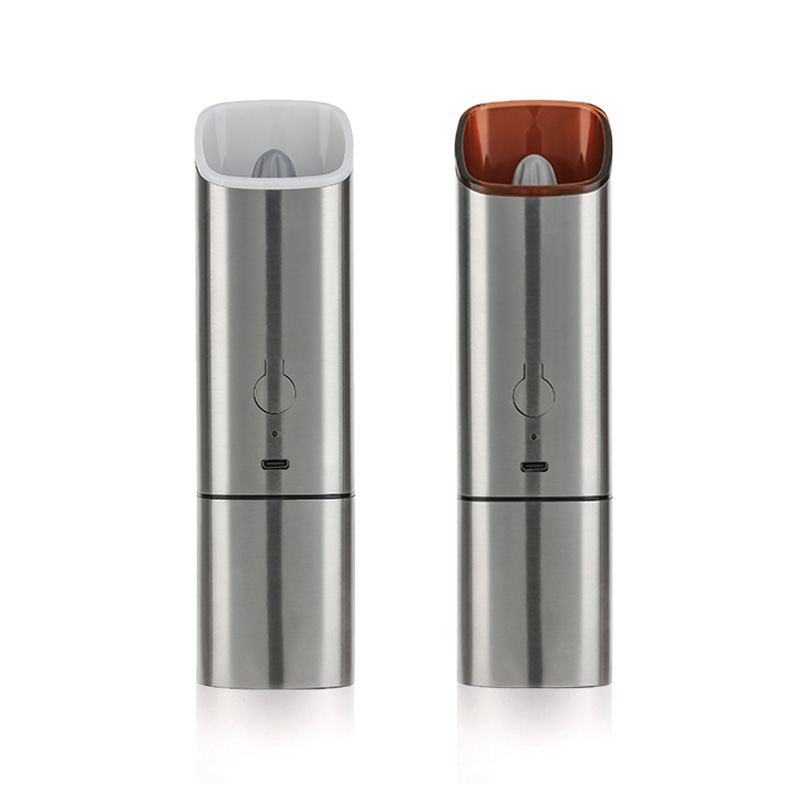
CH-01USB Rechargeable Electric Salt Pepper Grinder
-
 CH-01P
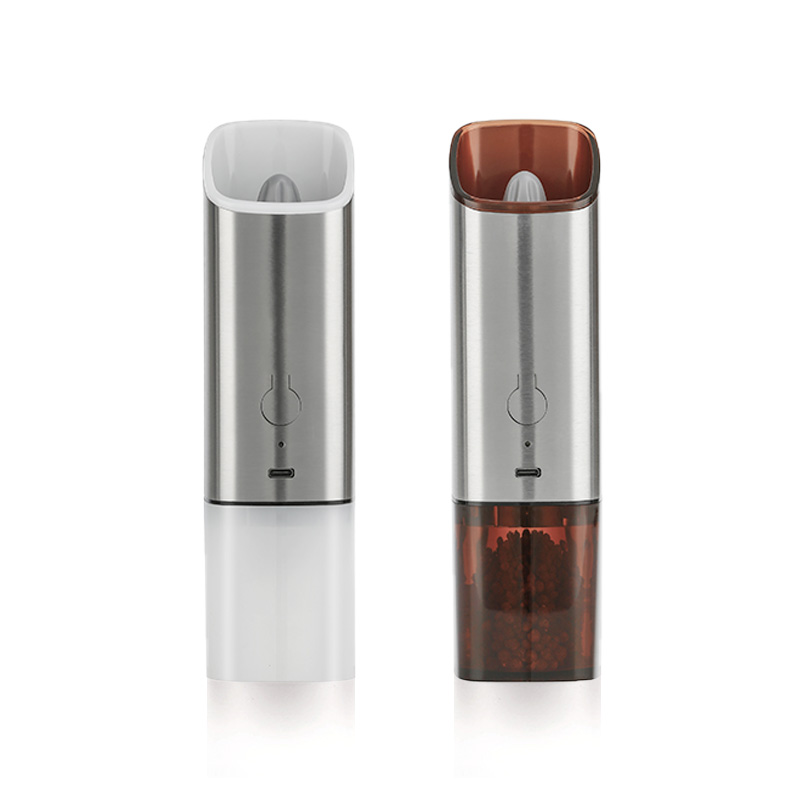
USB Rechargeable Electric Salt And Pepper Mill Set
-
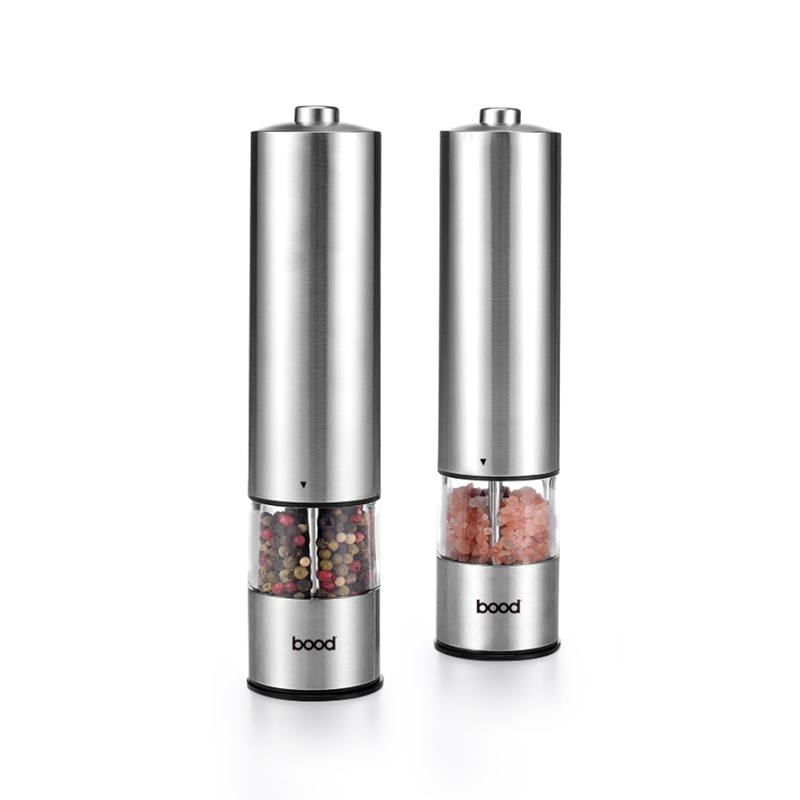 DH-00
DH-00Classy Design Electric Pepper Mill With Stainless Steel Body
-
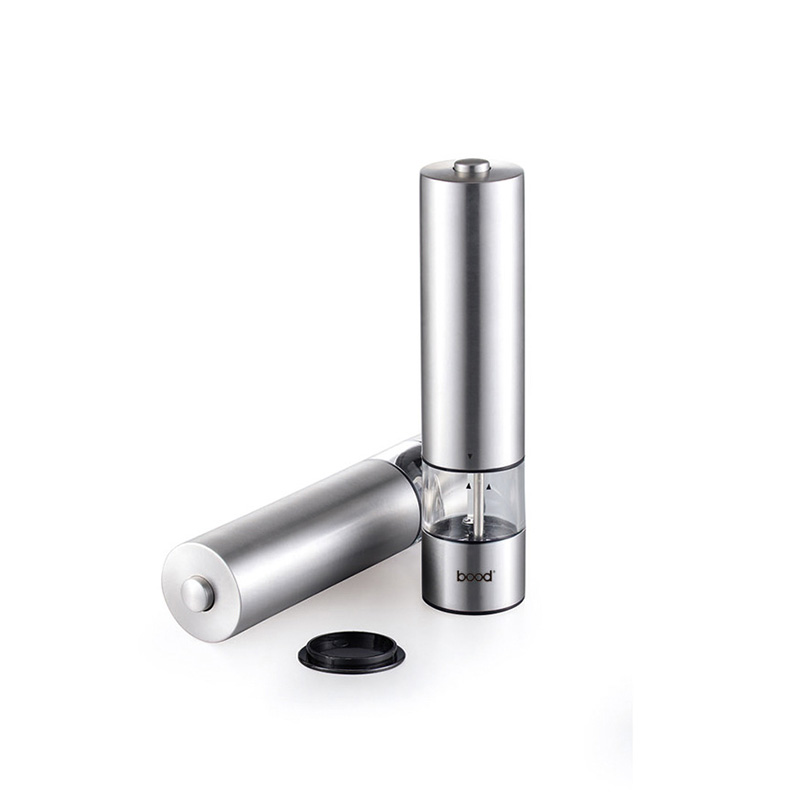 DH-01
DH-01Classic Electric Stainless Steel Salt And Pepper Grinder
-
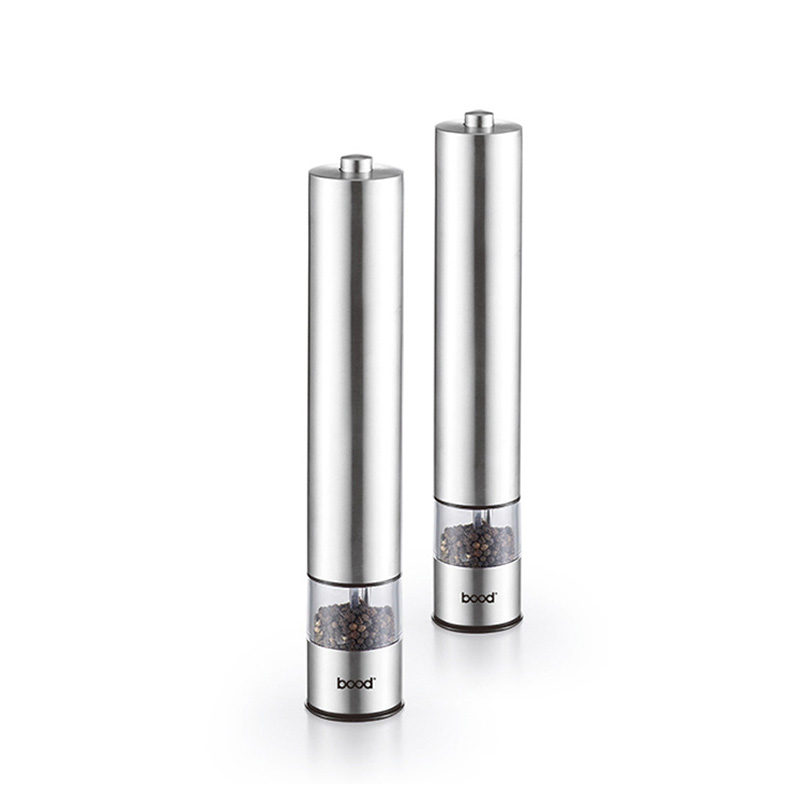 DH-01C
Electric Tall Salt and Pepper Mill Grinder with Flat Head
Copyright © Yongkang Funansheng Industry & Trade Co., Ltd.

China Pepper Grinder