


 Language
 English
 Deutsch
 日本語
日本語 Inquiry
Don't hesitate to send a message
Yongkang Funansheng Industry & Trade Co., Ltd.

+86-579-87301950

Industry News
How Can a Salt Grinder Manufacturer Adapt to Trends
Kitchen habits are changing as homes become smaller, cooking routines become more flexible, and consumers look for products that fit naturally into everyday life without demanding much attention. These changes are influencing how a Salt Grinder Manufacturer approaches product development, product appearance, portability, and ease of use across a growing catalog.
A seasoning grinder may be a small kitchen item, but its size doesn't make it irrelevant to changing consumer expectations. People now use kitchens for cooking, dining, socializing, and preparing quick meals between errands, so countertop products need to work within these different routines without feeling out of place.
Compact homes are also encouraging consumers to think carefully about how much space each kitchen item occupies on a shelf or counter. At the same time, portable cooking has created interest in products that can move between indoor and outdoor settings without missing a beat.
Gravity-operated designs are also attracting attention, since they offer a different way to handle everyday seasoning without extra steps. These trends are pushing manufacturers to look beyond traditional product concepts and consider how modern consumers actually use salt and pepper grinders day to day.
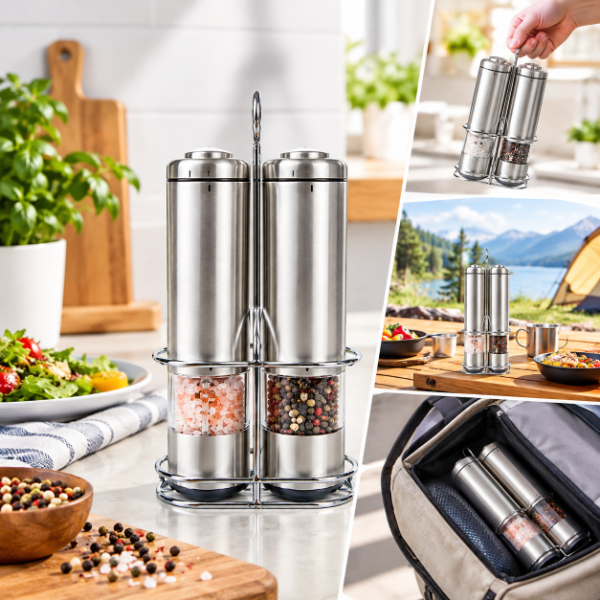
Why Are Smaller Kitchens Influencing Salt Grinder Design?
Kitchen space is becoming a genuinely important consideration when consumers choose everyday cooking tools for a tight apartment. A crowded countertop can make even useful products feel inconvenient when there's little room left for preparation and storage between other items.
This is encouraging manufacturers to explore grinder designs that can fit comfortably into smaller kitchens without demanding a dedicated spot. Compact shapes can make products easier to place beside cooking areas without occupying unnecessary countertop space that's already spoken for.
Storage also matters here, since some users may prefer to keep seasoning tools in cabinets or drawers when they're not actively cooking.
| Kitchen Situation | Design Consideration |
|---|---|
| Small apartment kitchen | Compact storage |
| Shared cooking space | Easy placement |
| Limited countertop | Space-conscious form |
| Open kitchen | Table-friendly appearance |
| Mobile kitchen | Easy carrying |
The challenge is reducing unnecessary bulk without making the product difficult to hold once it's in someone's hand. A very small grinder may save space but could feel a lot less comfortable during repeated use over a busy week of cooking.
Product development therefore needs to consider storage and handling together, rather than optimizing for one at the expense of the other. The same principle can apply to matching salt and pepper products sold as a pair. When two grinders share a coordinated form, they can create a genuinely more organized appearance without requiring additional kitchen accessories to tie things together.
How Can Portable Design Respond to Changing Cooking Habits?
Cooking is no longer limited to a fixed kitchen counter the way it used to be for most households. People may prepare food on balconies, patios, picnic tables, camping surfaces, or other temporary cooking areas set up for an afternoon.
This creates demand for kitchen accessories that can move easily between locations without much fuss. A Portable Pepper Grinder can fit this lifestyle by giving users a seasoning tool that's a lot easier to carry from one place to another as plans change.
Portability can influence the shape, grip, storage method, and overall construction of the product from the earliest design stage. A grinder used outdoors may need to be easy to pick up and put away between cooking tasks without slowing down the meal.
A traveler may also want a product that fits naturally into a food bag without taking up excessive room meant for other supplies. Outdoor cooking creates another consideration, since users may not have the same storage and cleaning facilities available that a home kitchen would provide.
This makes simple handling particularly relevant to anyone designing for that market. Manufacturers can therefore look at the complete movement of the product, from packing and transportation to seasoning and storage at the end of the trip.
Portable design doesn't have to mean sacrificing table presentation once it's back on the shelf. A compact grinder can still have a clean appearance that works well when placed beside food during a meal at home. This combination of mobility and visual appeal is becoming part of product development for modern seasoning tools across the category.
Why Is Gravity Operation Attracting Consumer Attention?
Consumers often notice products that make familiar kitchen tasks feel a little different than what they grew up using. Gravity operation offers an alternative approach to handling a grinder, since the product can respond to the way it's held or positioned during use.
A Salt and Pepper Gravity Grinder can provide a convenient experience for users who prefer simple movements during cooking or dining without fumbling for a lever. The appeal of gravity operation is connected with everyday interaction, rather than complicated controls that need explaining.
A user can pick up the grinder, position it over food, and use the intended movement to season the dish without a second thought. This can prove particularly convenient when the other hand is occupied with cooking or serving something else at the same time.
| User Situation | Potential Design Benefit |
|---|---|
| Cooking at the stove | Convenient seasoning |
| Preparing food with one hand | Reduced handling |
| Dining at the table | Simple operation |
| Outdoor cooking | Easy interaction |
| Shared meals | Quick access |
The operating experience still needs to feel natural once it's in someone's hand for the first time. Consumers may become a lot less interested if the product requires unnecessary adjustments before use, no matter how clever the mechanism looks on paper.
For manufacturers, this means product development should consider the movement involved in everyday seasoning from the user's point of view. The shape, grip, weight distribution, and operating position can all influence how the grinder feels in the hand across repeated use. Gravity-based designs therefore represent more than a passing visual trend. They reflect a wider interest in making common kitchen actions easier to understand and perform without instructions.
How Are Consumer Usage Habits Changing Product Development?
Consumer habits provide genuinely important clues about how kitchen products should evolve over the next few years. Some people cook regularly and want durable everyday tools, while others prepare quick meals and prefer simple accessories that are easy to store between uses.
There are also users who enjoy cooking outdoors or moving between different food preparation spaces throughout a weekend. These groups may have genuinely different expectations from the same type of product sitting on a shelf.
A Salt Grinder Manufacturer can respond by examining these different usage patterns during product development rather than guessing. The development process may consider how users hold the grinder, where they store it, how often they clean it, and whether they use it indoors or outdoors.
Small observations can lead to meaningful changes in product design that aren't obvious at first glance. For example, a user may prefer a grinder that can be operated without changing grip mid-task.
Another user may care more about whether the product can stand securely on a dining table without tipping over. Someone living in a compact home may focus mainly on storage above every other feature. These differences show why a single design approach may not suit every market a manufacturer is trying to reach.
| Consumer Habit | Possible Product Direction |
|---|---|
| Frequent home cooking | Comfortable everyday handling |
| Quick meal preparation | Simple operation |
| Outdoor cooking | Portable construction |
| Small-space living | Compact storage |
| Table dining | Coordinated appearance |
Manufacturers can use these patterns to develop products around real situations, rather than adding features without a clear purpose behind them. This can also help create clearer product categories for different types of buyers browsing a lineup.
What Can a Salt Grinder Manufacturer Do With Product Customization?
Kitchen products are increasingly connected with personal preferences that vary from one household to the next. Consumers may care about color, shape, surface appearance, matching sets, and the way accessories look together on a table.
Retailers and distributors may also want products that fit a particular product range or customer group they're targeting. This creates opportunities for a Salt Grinder Manufacturer to offer different approaches to customization across their catalog.
Customization can involve external appearance, product structure, packaging, or coordinated salt and pepper sets sold as a pair. The appropriate level depends heavily on the intended market for that specific product line.
A household-focused product may emphasize practical handling and simple storage above visual flourishes. A dining-oriented product may place more attention on visual consistency instead, since it's meant to be seen. An outdoor product may focus on portability and convenient use over polish.
A Pepper Grinder Manufacturer can apply similar thinking when developing matching or complementary products for the same shelf. The goal of customization should be responding to a meaningful market preference, not adding complexity for its own sake.
Adding unnecessary design elements can make a product a lot harder to use or maintain over time. A practical customization strategy keeps the relationship between appearance and function clear from the start. This allows manufacturers to respond to different consumer groups while maintaining a recognizable product purpose across the line.
How Does Table Aesthetics Influence Modern Grinder Design?
Kitchen tools are increasingly visible parts of home interiors rather than items hidden in a cupboard. Open kitchens often connect the cooking area with the dining and living spaces, so products left on the counter can become part of the surrounding visual environment whether intended or not.
This has made appearance more important in grinder development than it once was. Consumers may look for shapes that complement their cookware, tableware, and other kitchen accessories already sitting on the same shelf.
A coordinated salt and pepper set can create a genuinely more organized appearance during meals, especially when guests are seated. The visual design may also influence whether users leave the grinder on the table or return it to storage after every use.
| Design Aspect | Consumer Consideration |
|---|---|
| Shape | Fits the surrounding table setting |
| Finish | Creates a particular visual feel |
| Color | Matches kitchen preferences |
| Pairing | Keeps salt and pepper visually coordinated |
| Form | Supports comfortable handling |
Aesthetic design should still support practical use above everything else. A grinder that looks attractive but is awkward to hold may not satisfy everyday users no matter how it photographs. Manufacturers therefore need to balance appearance with grip, operation, storage, and cleaning all at once. This balance is particularly relevant for products designed to remain visible in modern kitchens rather than tucked away. The grinder becomes both a cooking accessory and part of the dining environment surrounding it.
Why Does Easy Maintenance Matter for Modern Grinder Products?
Modern consumers often want kitchen tools that fit into busy routines without adding extra chores. A product that requires complicated care may become inconvenient, even when its basic function is genuinely useful on paper.
This makes cleaning and maintenance genuinely important considerations during product development from the earliest sketches. Grinders can come into contact with seasoning residue during normal use, so accessible surfaces can make routine care a lot easier at the sink.
Portable products may also experience more frequent handling and movement between locations throughout a trip. Outdoor use can introduce additional dirt or moisture around the outside of the product that a stationary kitchen tool wouldn't face.
Manufacturers can therefore consider how easily users can wipe, store, and handle the grinder during ordinary care between meals. The specific cleaning method should always follow the product's care instructions, since materials and finishes vary from one design to the next.
Maintenance shouldn't get treated as an afterthought tacked on after the design is locked in. A well-considered design can make routine care feel like a normal part of kitchen use, rather than an additional task competing for attention. This can also influence how buyers evaluate products for household, retail, and hospitality applications where turnover is constant.
How Can a Pepper Grinder Manufacturer Respond to More Flexible Kitchens?
Modern kitchens are becoming more flexible in how they're used throughout a single day. A countertop may serve as a preparation area during cooking, a serving space during meals, and a temporary work surface at other times entirely.
Seasoning tools need to fit into these changing arrangements without requiring a rethink each time. A Pepper Grinder Manufacturer can respond by considering products that are easy to move, store, operate, and display across different moments.
A Portable Pepper Grinder may suit users who move between kitchen and outdoor cooking areas over a single weekend. A Salt and Pepper Gravity Grinder may appeal to consumers who prefer a different operating experience during cooking and dining alike.
The product category can therefore develop around different usage situations, rather than one fixed kitchen routine that assumes everyone cooks the same way. Manufacturers may also consider how salt and pepper products work together as a functional pair.
Matching shapes can make storage a lot easier and create a consistent appearance on the dining table when guests arrive. Different sizes or forms can help users distinguish between products without relying entirely on labels that wear off over time. These choices can make everyday kitchen organization feel a lot more natural. Product development is increasingly connected with the way consumers move through their homes and cooking routines across a typical week.
What Should Manufacturers Consider When Adapting to Kitchen Trends?
Changing kitchen habits are creating a broader set of expectations for seasoning products than existed a decade ago. Consumers may want compact storage, convenient operation, portable handling, and an appearance that fits modern dining spaces all at once.
A Salt Grinder Manufacturer needs to consider these factors as parts of one product experience, rather than separate checkboxes to satisfy. The same applies to a Pepper Grinder Manufacturer developing products for changing household and outdoor cooking habits across a diverse customer base.
Product development can begin with practical questions about how the grinder will actually get used once it leaves the shelf. Will it remain on a kitchen counter through the week? Will it travel outdoors on weekends? Will users operate it while cooking with one hand occupied? Will it need to fit into a small storage area between uses? Will it remain visible on the dining table when company comes over?
These questions can help manufacturers decide which design choices have genuine value worth pursuing. The growing interest in compact kitchens, portable cooking, gravity operation, and flexible usage is creating new directions for salt and pepper grinder development across the industry. For manufacturers, adapting to these trends means paying closer attention to everyday consumer behavior and designing products around the spaces, movements, and routines in which they're actually used every day.
Recommended Products
-
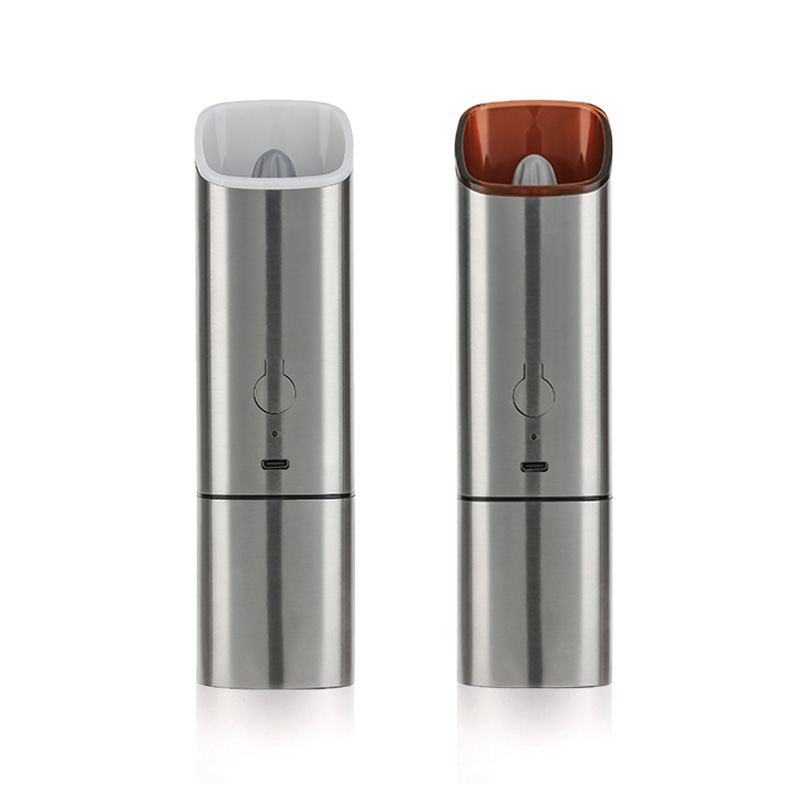 CH-01
CH-01USB Rechargeable Electric Salt Pepper Grinder
-
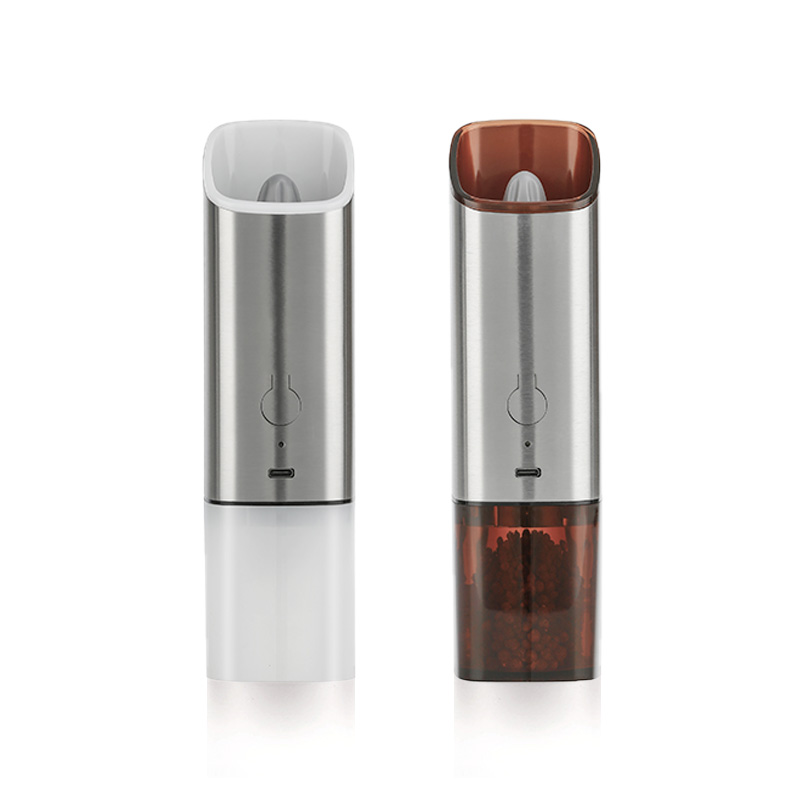 CH-01P
USB Rechargeable Electric Salt And Pepper Mill Set
-
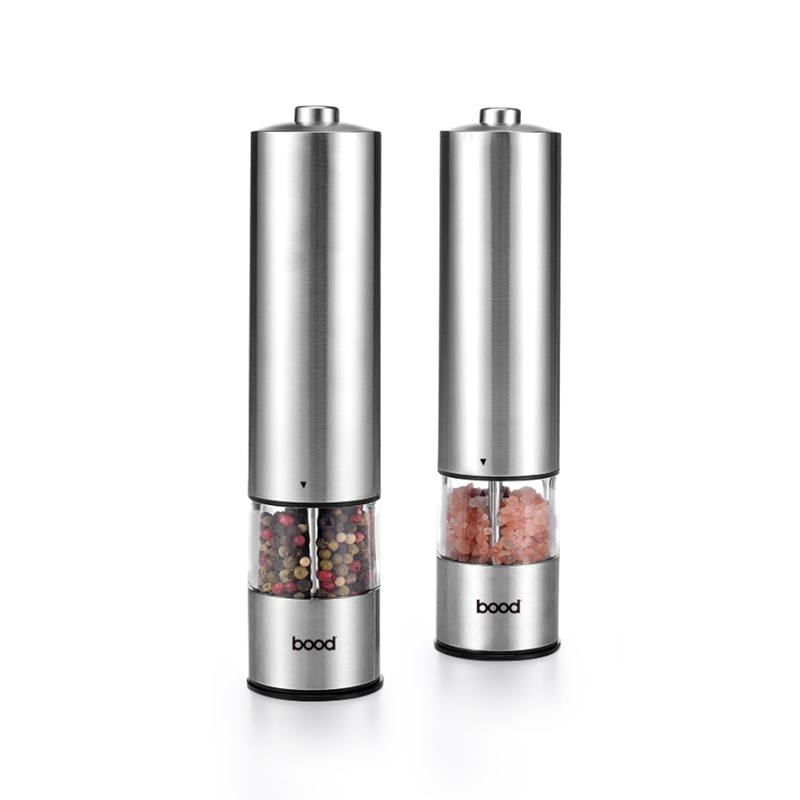 DH-00
DH-00Classy Design Electric Pepper Mill With Stainless Steel Body
-
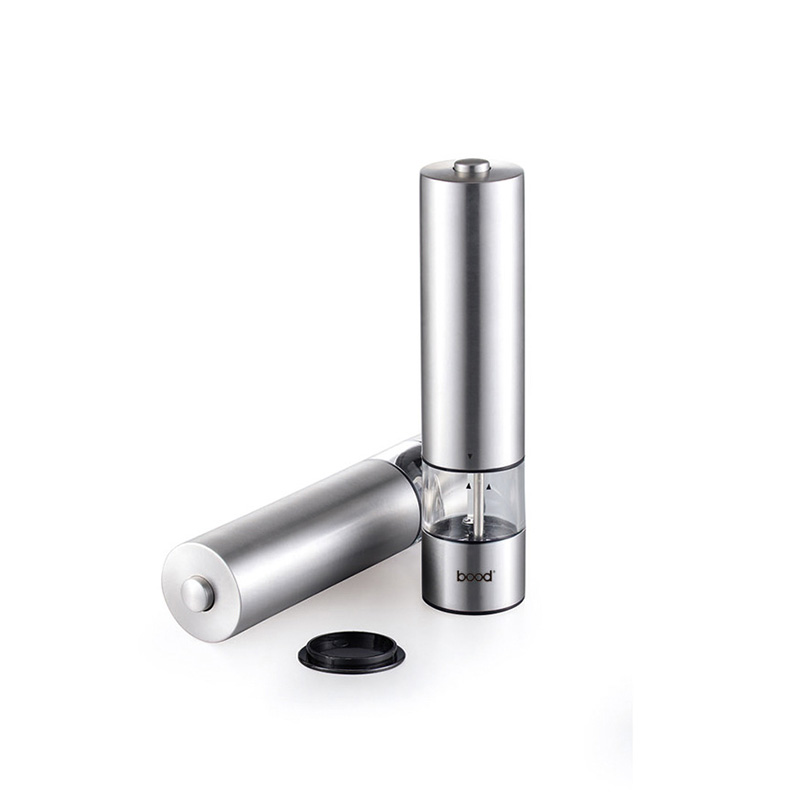 DH-01
DH-01Classic Electric Stainless Steel Salt And Pepper Grinder
-
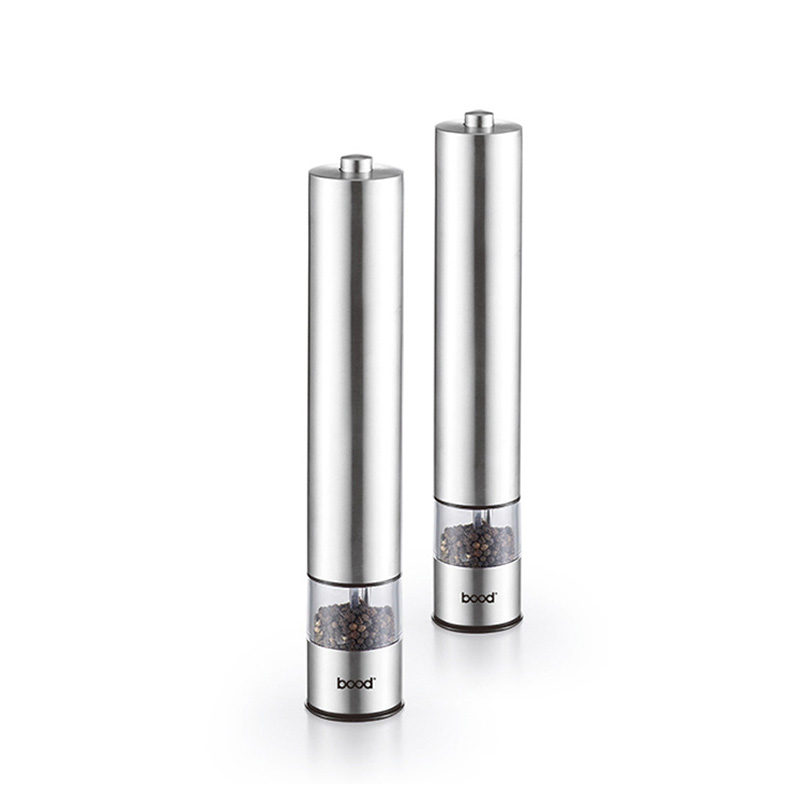 DH-01C
Electric Tall Salt and Pepper Mill Grinder with Flat Head
Copyright © Yongkang Funansheng Industry & Trade Co., Ltd.

China Pepper Grinder