


 Language
 English
 Deutsch
 日本語
日本語 Inquiry
Don't hesitate to send a message
Yongkang Funansheng Industry & Trade Co., Ltd.

+86-579-87301950

Industry News
How Can a Coffee Grinder Improve Efficiency in Commercial Settings?
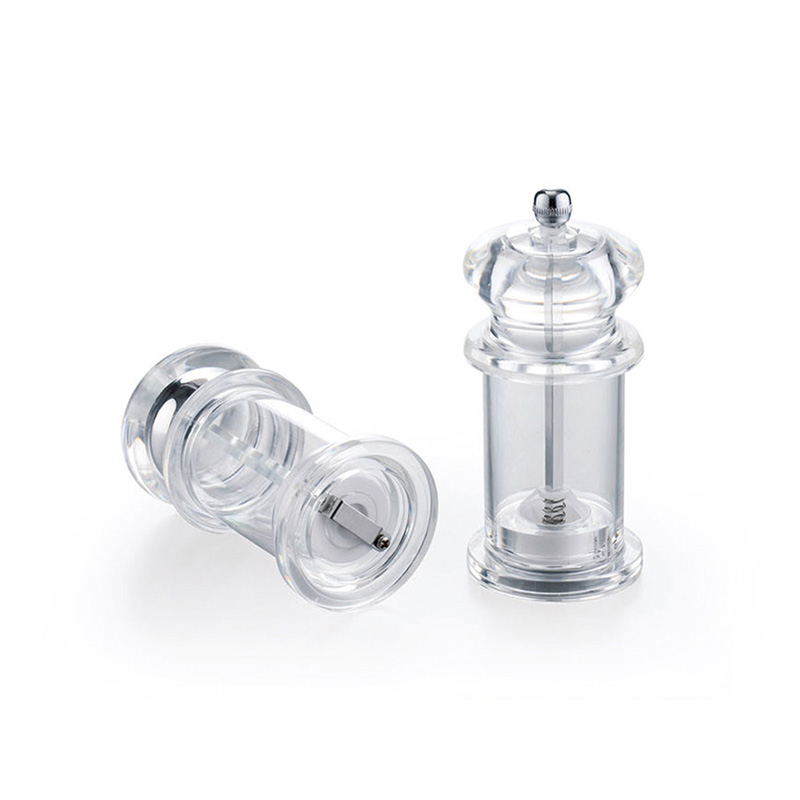
In the coffee industry, consistency, speed, and reliability are critical for business success. A coffee grinder is an essential piece of equipment in cafes, restaurants, hotels, and offices. The quality of the grind directly affects extraction, flavor, and customer satisfaction, making the choice of grinder a key operational decision.
For B2B buyers, selecting the right coffee grinder means investing in a durable, high-performance device that can handle continuous use while maintaining consistency.
Types of Coffee Grinders for Businesses
Two primary types of coffee grinders are suitable for commercial environments:
- Burr Grinders – Produce uniform particle sizes, ensuring consistent extraction for espresso, pour-over, and other brewing methods. Burr grinders are preferred in professional settings due to precision and reliability.
- Blade Grinders – Chop beans with spinning blades. While less precise, they are simple, affordable, and suitable for smaller operations or low-volume use.
- Commercial-grade grinders often feature high-capacity hoppers, adjustable grind settings, and robust construction to support daily business operations.
Advantages for B2B Buyers
- Consistent Coffee Quality – Uniform grinds improve flavor extraction and ensure each cup meets customer expectations.
- Durability – Designed for repeated, continuous operation, commercial grinders maintain performance over time.
- Flexibility – Adjustable settings allow a single grinder to serve multiple brewing methods, supporting menu variety.
- Operational Efficiency – Larger hoppers and faster grinding speeds reduce wait times, improving service flow in busy environments.
For businesses, these benefits translate to higher productivity, reduced downtime, and enhanced customer satisfaction.
Selecting the Right Coffee Grinder
B2B buyers should evaluate the following factors:
- Capacity – Choose a grinder suitable for daily coffee volume, from small cafes to larger restaurants.
- Grind Adjustment – Versatile grind settings allow for multiple brewing styles, including espresso, filter, and French press.
- Build Quality – Durable materials and high-performance motors extend the lifespan of the equipment.
- Ease of Cleaning – Removable parts simplify maintenance and prevent flavor contamination.
Careful consideration of these aspects ensures the grinder meets both operational and business requirements.
Applications in Commercial Settings
Coffee grinders serve a variety of business contexts:
- Cafes and Coffee Shops – Provide consistent espresso and brewed coffee during high-traffic hours.
- Hotels and Restaurants – Support breakfast services, banquets, and specialty beverage preparation.
- Corporate Offices – Allow employees to enjoy freshly ground coffee in-house.
- Wholesale or Bulk Operations – Enable businesses to grind and package large volumes of coffee efficiently.
Selecting the right grinder ensures consistent output and supports scalable operations.
Maintenance and Practical Tips
Maintaining a commercial coffee grinder involves regular cleaning of burrs and hoppers, checking motor performance, and following manufacturer guidelines. Routine maintenance prevents downtime, ensures quality consistency, and prolongs the life of the grinder—critical for high-volume operations.
A coffee grinder is a vital investment for businesses that serve coffee. For B2B buyers, choosing durable, adjustable, and high-capacity grinders ensures consistent product quality, operational efficiency, and long-term reliability. From cafes and restaurants to corporate offices, a proper coffee grinder supports business growth, improves customer satisfaction, and strengthens overall operational standards.
Recommended Products
-
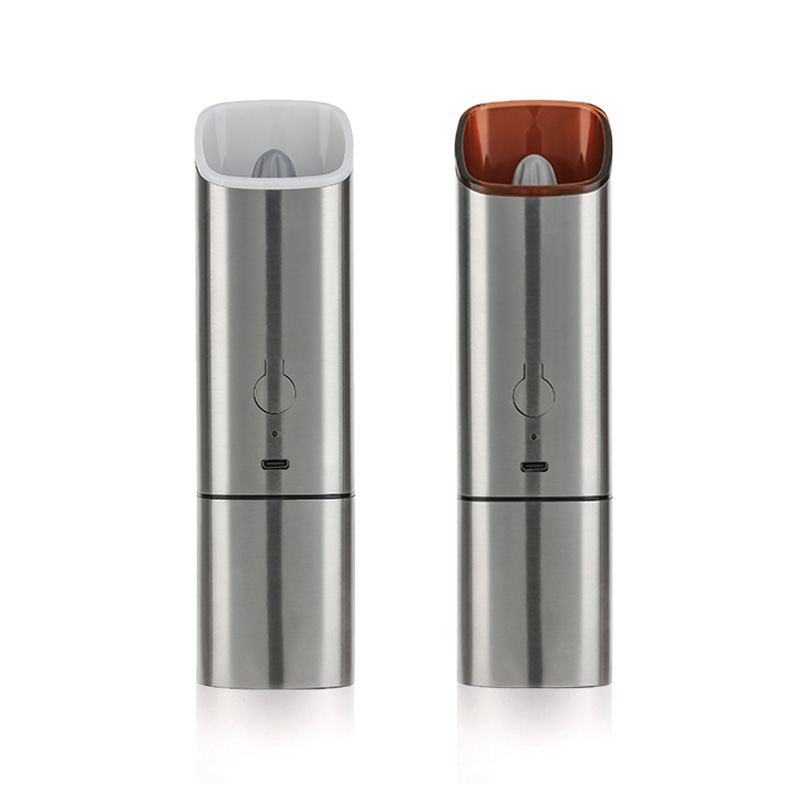 CH-01
CH-01USB Rechargeable Electric Salt Pepper Grinder
-
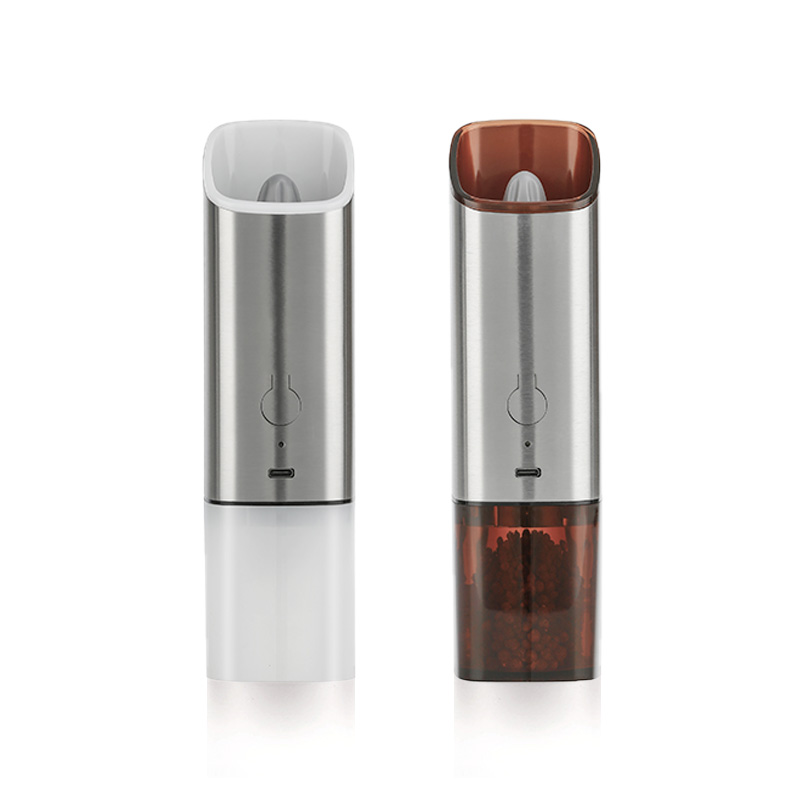 CH-01P
USB Rechargeable Electric Salt And Pepper Mill Set
-
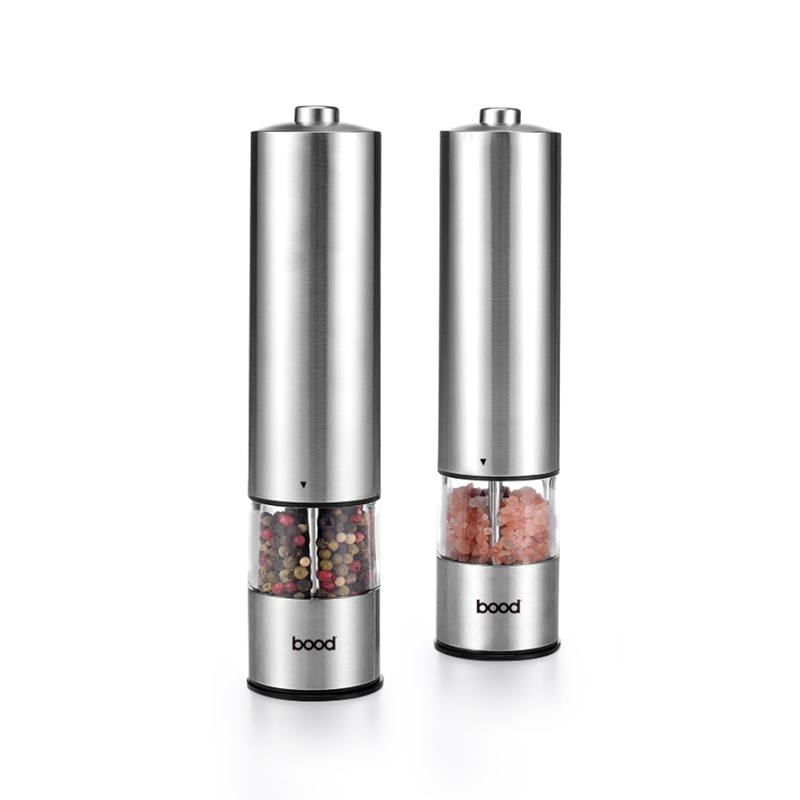 DH-00
DH-00Classy Design Electric Pepper Mill With Stainless Steel Body
-
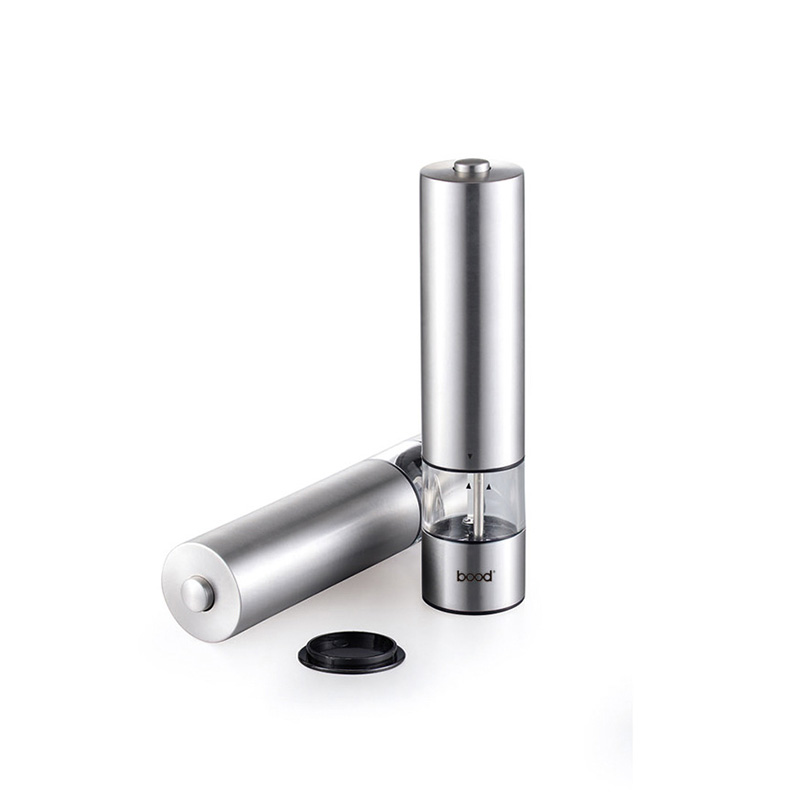 DH-01
DH-01Classic Electric Stainless Steel Salt And Pepper Grinder
-
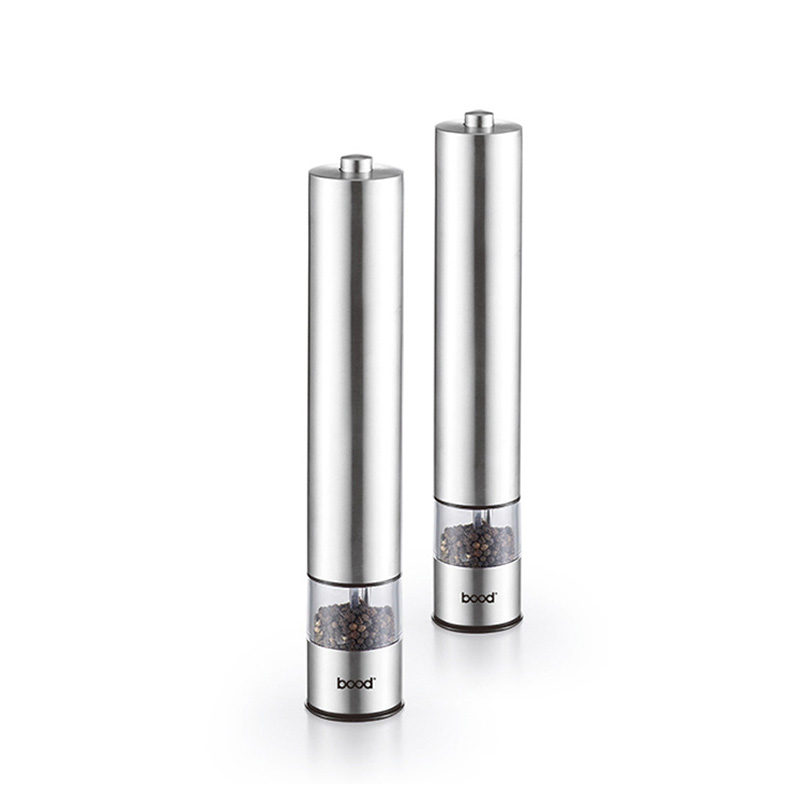 DH-01C
Electric Tall Salt and Pepper Mill Grinder with Flat Head
Copyright © Yongkang Funansheng Industry & Trade Co., Ltd.

China Pepper Grinder