


 Language
 English
 Deutsch
 日本語
日本語 Inquiry
Don't hesitate to send a message
Yongkang Funansheng Industry & Trade Co., Ltd.

+86-579-87301950

Industry News
Portable Pepper Mill Capacity vs Compact Design Guide
Packing for a camping trip, or just trying to wedge one more thing into an already overstuffed kitchen drawer — and the pepper mill you own either hogs too much space or runs dry halfway through the week. A Portable Pepper Mill is supposed to fix exactly that tension, but figuring out how much capacity you're willing to trade away for something that actually fits in a bag isn't always obvious. If you've stood in front of a shelf full of grinders wondering why some hold noticeably more than others despite looking nearly identical in size, this untangles where that tradeoff actually comes from and how to weigh it against your own habits.
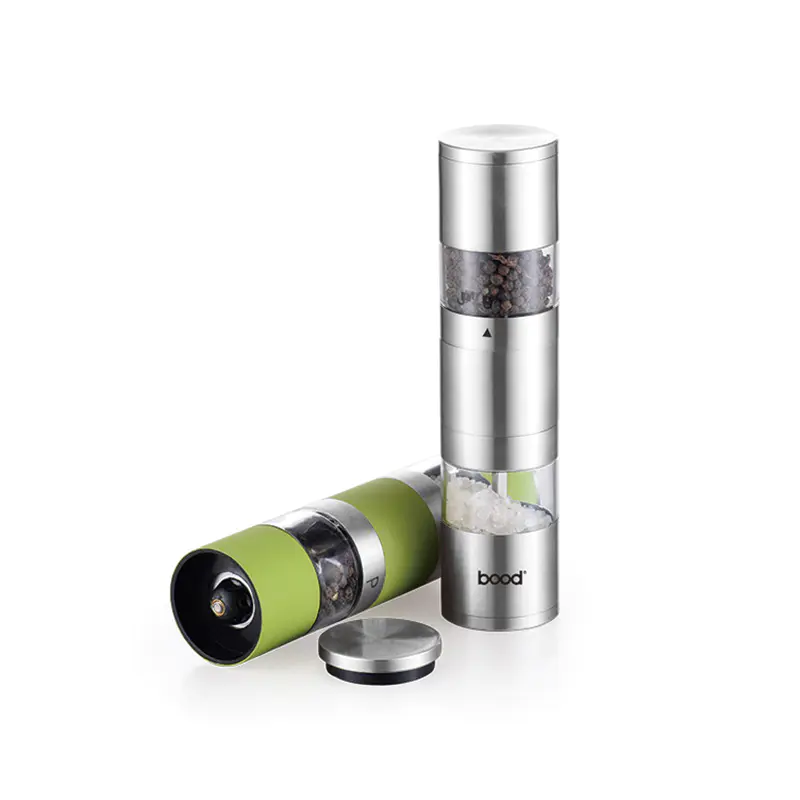
Why Do Capacity and Compactness Pull in Opposite Directions?
Physics doesn't leave much wiggle room here, honestly. A grinder's chamber can only hold so much material within a given footprint, and cramming in more spice inevitably means adding height, width, or both. Compact design, almost by definition, works against that expansion.
Manufacturers end up making deliberate calls about where that balance settles. A few factors shape how it plays out:
- Wall thickness of the housing, which affects both durability and internal volume
- Grinding mechanism size, since larger mechanisms process spice faster but eat into storage space
- Overall shape, where cylindrical designs tend to maximize volume better than tapered or curved ergonomic forms
- Material choice, since some materials allow thinner walls without giving up strength
None of these decisions happen in a vacuum. A manufacturer chasing maximum portability often has to accept a smaller internal chamber as the cost of that convenience — there's genuinely no way around that basic geometric reality, no matter how clever the design.
How Does Chamber Capacity Affect Daily Use?
Storage volume translates fairly directly into refill frequency. A larger chamber means fewer trips back to the spice jar, and that matters a lot in busy kitchens or commercial settings where stopping mid-task to refill a seasoning tool gets old fast.
Think about how this shakes out across different settings:
- Home kitchens with moderate, regular use do fine with mid sized capacity that balances refill frequency against counter space
- Commercial kitchens processing high volumes typically need larger capacity to avoid constant refilling during service
- Travel or outdoor settings prioritize small size over capacity, since portability outranks extended use between refills
- Gift or specialty retail contexts often favor smaller, more visually appealing designs where practical capacity takes a back seat to presentation
Matching capacity to actual usage frequency — rather than defaulting to whatever size looks most substantial sitting on a shelf — tends to produce a better long term fit between product and user.
Does a Bigger Chamber Always Mean Better Performance?
Not necessarily, and this gets overlooked more than you'd think. A larger chamber holds more spice, sure, but it also adds weight and bulk that can make the grinder awkward to hold or stash away. For someone using the mill daily at a fixed kitchen counter, that added bulk barely registers. For someone tossing it into a travel bag or squeezing it into a cramped apartment drawer, the same bulk turns into a genuine annoyance.
What Makes a Portable Pepper Mill Actually Portable?
Portability isn't just about overall size, despite what marketing copy sometimes suggests. Several design elements work together to determine whether a grinder genuinely travels well or just looks compact while still being a pain to carry around.
Key portability factors:
- Overall weight, since lighter materials reduce strain when carried frequently
- Secure lid or cap mechanisms that prevent spillage during transport
- Grip texture and shape that stays comfortable in hand during travel use
- Resistance to breakage from drops or rough handling in bags or luggage
A Portable Pepper Mill built with these considerations baked in tends to hold up far better across repeated travel use than one simply marketed as small without addressing any of these practical concerns.
Plastic Pepper Mill Options: Do They Handle This Trade-off Well?
Material choice plays a considerable role in how manufacturers navigate the capacity versus compactness balance. A plastic pepper mill generally allows thinner walls than glass or heavier composite materials, which can actually help maximize internal volume within a smaller external footprint.
Plastic construction brings a few practical advantages worth mentioning here:
- Lighter overall weight, supporting easier portability
- Lower risk of shattering compared to glass alternatives, which matters quite a bit for travel use
- More flexibility in molding complex shapes that squeeze out extra internal space
- Generally lower production cost, supporting more accessible pricing across product lines
The tradeoff, worth saying plainly, is that plastic can feel less premium next to wood or metal options, and certain formulations show wear more visibly over extended use. For buyers prioritizing function and portability over a premium tactile feel, though, plastic construction often ends up the genuinely practical choice.
Comparing Capacity and Compact Design Across Use Cases
| Use Case | Capacity Priority | Compactness Priority | Practical Balance |
|---|---|---|---|
| Home Kitchen Daily Use | Moderate | Low | Mid-sized chamber, standard footprint |
| Commercial Kitchen Service | High | Low | Larger chamber, less frequent refilling |
| Travel and Outdoor Use | Low | High | Small chamber, lightweight materials |
| Gift and Retail Display | Low | Moderate | Compact, visually appealing design |
| Small Apartment Kitchens | Moderate | High | Slim profile with reasonable capacity |
This comparison makes the underlying pattern pretty clear. There's no single ideal configuration hiding somewhere. The right balance depends entirely on where and how often the grinder actually gets used, not on some universal standard that applies across every buyer.
How Should Buyers Approach This Decision?
Working through capacity versus compact design tradeoffs doesn't need to turn into a research project, but it does benefit from a little structured thinking before committing to a purchase or a product line.
A practical approach usually looks like:
- Estimating actual usage frequency and volume needs honestly, rather than assuming more capacity is automatically better
- Considering storage constraints in the intended environment, whether that's a kitchen drawer, a travel bag, or a commercial prep station
- Weighing material tradeoffs between weight, durability, and tactile feel based on the primary use case
- Testing grip comfort and refill mechanisms directly when possible, since these small details affect daily usability more than raw capacity numbers suggest
Buyers who skip this step and default purely to size or price often end up with a grinder that technically works but never quite fits how they actually use it day to day.
What Should B2B Buyers Consider When Sourcing Pepper Mills?
For retailers, kitchenware brands, or import businesses weighing supply options, this capacity versus compactness discussion shapes product strategy in a real way. A few sourcing considerations worth keeping in mind:
- Whether a pepper mill manufacturer can produce multiple capacity tiers within a consistent design language
- Material capability, particularly whether a supplier handles both plastic pepper mill production and alternative materials for varied product lines
- Customization flexibility for adjusting chamber size or external footprint to match specific market demand
- Production scale and consistency when sourcing from a pepper mill factory, particularly for larger retail or hospitality orders
Working with an established china pepper mill supplier capable of offering both compact, travel oriented designs and larger capacity options gives buyers more flexibility to serve varied customer segments without juggling multiple disconnected suppliers.
Balancing capacity against compact design ultimately comes down to understanding your own use case clearly, rather than assuming one configuration works universally well across every kitchen, travel bag, or retail shelf. A Portable Pepper Mill built for hikers and travelers serves a completely different purpose than one designed for a bustling commercial kitchen, and recognizing that distinction early saves both individual buyers and B2B purchasers from ending up with a product that looks right on paper but never quite fits how it actually gets used. Yongkang Funansheng Industry & Trade Co., Ltd. works with kitchenware brands, retailers, and import partners navigating exactly these design tradeoffs, offering flexible capacity and material options across plastic and alternative construction methods. If you're weighing capacity against portability for your next product line, or simply trying to find the right grinder for your own kitchen and travel needs, reaching out to discuss your specific requirements is a practical next step toward a product that actually gets used consistently.
Recommended Products
-
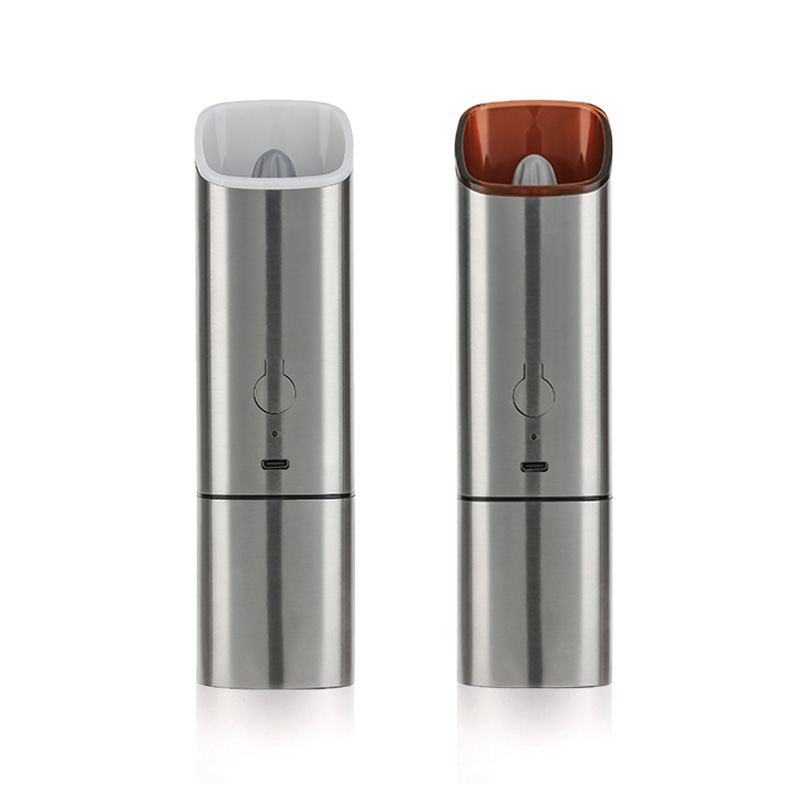 CH-01
CH-01USB Rechargeable Electric Salt Pepper Grinder
-
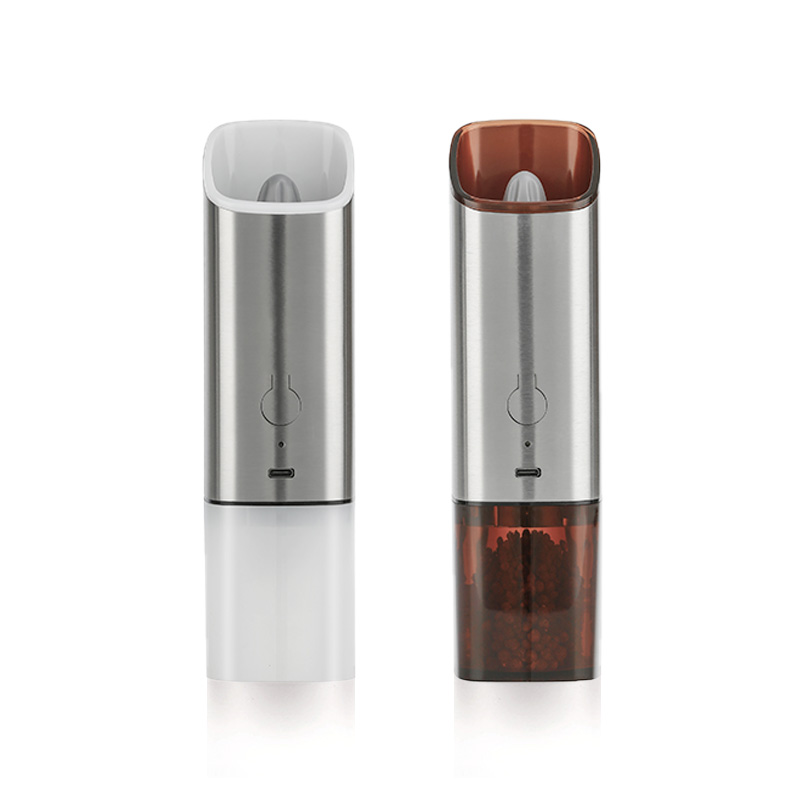 CH-01P
USB Rechargeable Electric Salt And Pepper Mill Set
-
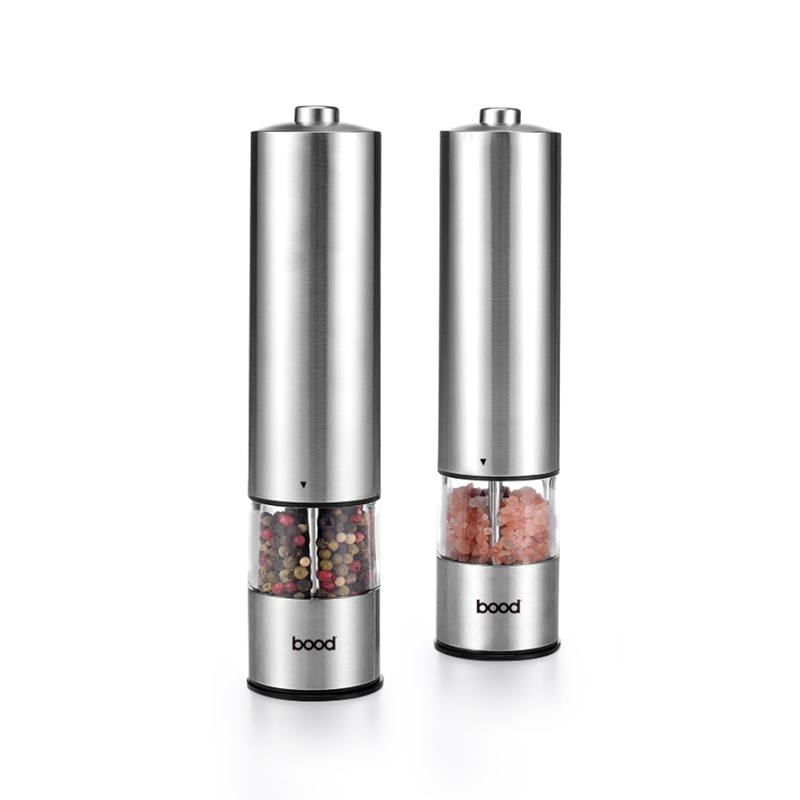 DH-00
DH-00Classy Design Electric Pepper Mill With Stainless Steel Body
-
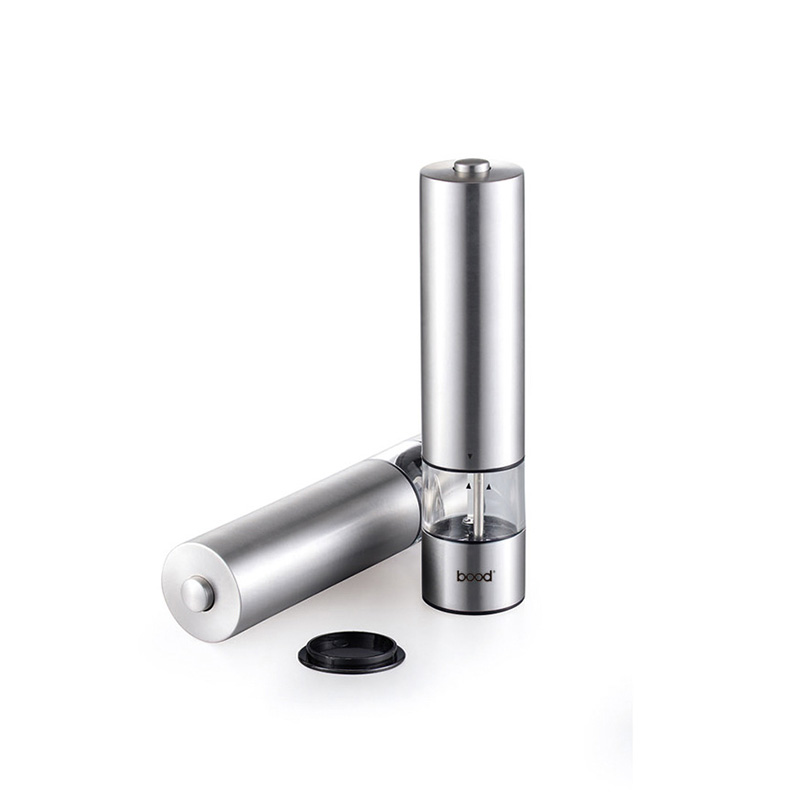 DH-01
DH-01Classic Electric Stainless Steel Salt And Pepper Grinder
-
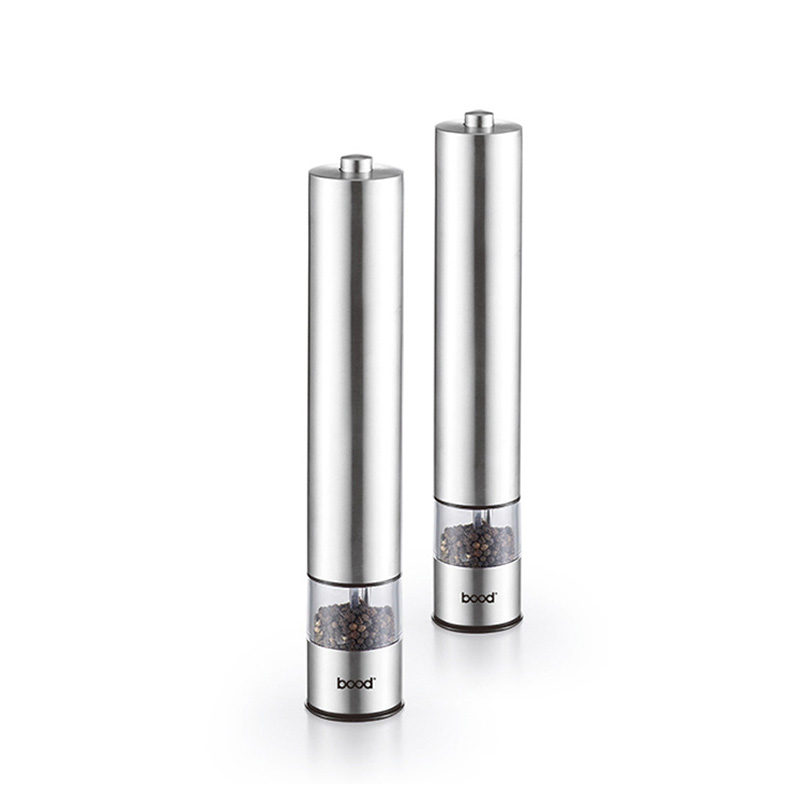 DH-01C
Electric Tall Salt and Pepper Mill Grinder with Flat Head
Copyright © Yongkang Funansheng Industry & Trade Co., Ltd.

China Pepper Grinder