


 Language
 English
 Deutsch
 日本語
日本語 Inquiry
Don't hesitate to send a message
Yongkang Funansheng Industry & Trade Co., Ltd.

+86-579-87301950

Industry News
How to Solve Wrist Strain from Manual Pepper Grinding
Grinding pepper by hand several times a day does not feel like a strenuous activity — until your wrist starts telling you otherwise. The ache settles in gradually, usually after a few months of daily cooking, and by the time it becomes noticeable it has already been building for a while. A Portable Pepper Mill that requires significant twisting force with every use places a cumulative load on the wrist that many people never think about until something starts to complain. The mechanism design, the weight distribution, the resistance of the grinding burrs — all of it adds up across hundreds of repetitions per week. This is worth thinking about not just for personal comfort, but for anyone sourcing, distributing, or specifying kitchen equipment at scale. High-strain designs generate returns, negative reviews, and replacement cycles. Low-strain designs keep users coming back.
Why Manual Grinding Creates Wrist Problems
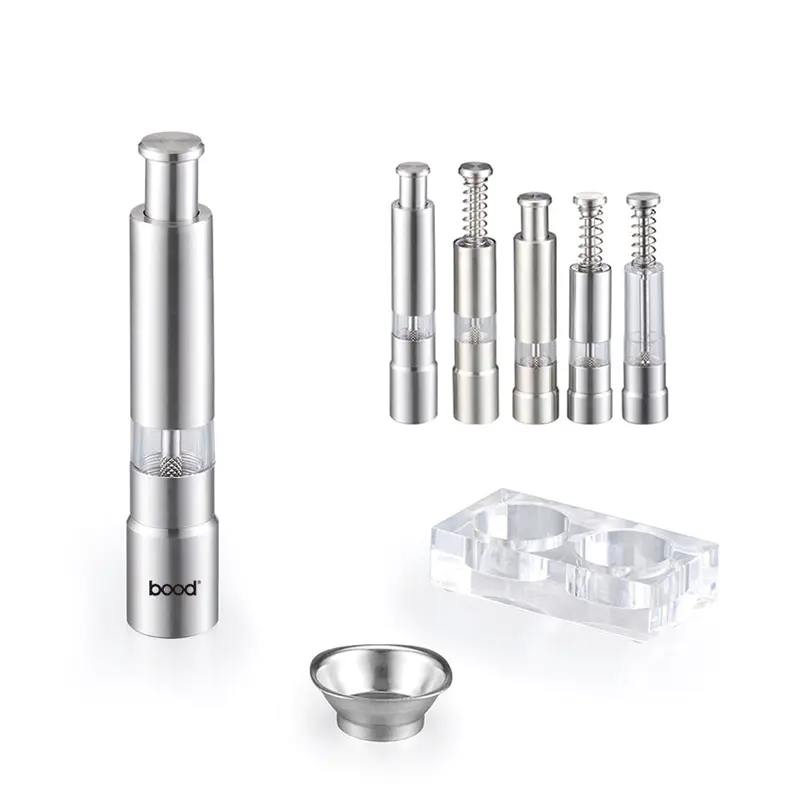
The Rotation Movement Itself Is the Issue
Grinding pepper manually requires the wrist to perform a motion called pronation and supination — the same rotation you make when turning a screwdriver. Under occasional, low-force conditions, this is unremarkable. The problem is repetition. A cook who grinds pepper at every meal makes this motion dozens of times a day, day after day. Each individual grind is harmless. The accumulated load across weeks is what causes the wrist to complain.
The tendons and muscles involved in forearm rotation were not designed for sustained high-frequency use. They fatigue. Over time, the connective tissue around the wrist joint becomes irritated, and what started as mild stiffness turns into something that lingers.
Grip Force Compounds the Problem
It is not just the rotation. Holding a grinder while twisting it requires a sustained grip on the handle — and if the handle is smooth, narrow, or poorly shaped, the grip force required is higher than it should be. A wider, textured handle distributes the contact pressure across a larger area of the palm. A narrow, slippery one forces the hand to squeeze tighter to maintain control.
Add torque resistance from the grinding mechanism, and the wrist is now dealing with simultaneous grip force and rotational load. For users with existing wrist sensitivity — a common issue among older adults, people with desk-job-related repetitive strain, or anyone recovering from a prior hand injury — this combination is a genuine problem.
Grinder Weight Changes the Equation Too
Heavier grinders require more support from the non-dominant hand, which usually holds the body of the mill steady while the other hand twists. But the dominant hand — the one doing the grinding — still bears the weight of whatever is above the grip point. A heavy mill with the weight distributed toward the upper end amplifies the effective torque the wrist has to counteract with every turn.
A lighter mill, or one where the weight sits lower and closer to the hand, reduces this mechanical disadvantage considerably. It is a small design variable that has a surprisingly large effect on fatigue over extended use.
What Makes a Grinder Design Easy or Hard on the Wrist?
The Handle Shape Is Where It Starts
Handle diameter, texture, and ergonomic shaping all affect how much grip force the hand needs to apply. A cylindrical handle with no grip features forces the user to rely entirely on friction — which means squeezing harder. A handle with a slight taper, some surface texture, or an ergonomic indent gives the hand something to lock against, reducing the sustained grip load.
For kitchen tools used repeatedly throughout a day, this difference translates into meaningful fatigue reduction over a week's use. It is the kind of detail that does not stand out during a single test but becomes obvious to anyone who uses the product regularly.
Grinding Mechanism Resistance Varies Widely
The ceramic or steel burrs that do the actual grinding require a certain amount of torque to turn. How much depends on the burr geometry, the coarseness setting, and how sharp the burrs are. A well-designed mechanism with sharp, correctly angled burrs does more work per unit of applied force — which means the user applies less effort for the same result. A poorly designed or worn mechanism requires significantly more force, and the wrist pays the difference.
Coarseness adjustment also matters. A grinder set to produce very coarse pepper requires more torque than one set to fine. For users who prefer coarser grinds — common in professional cooking — the mechanism resistance at that setting has a real impact on how quickly the wrist fatigues.
Does the Body Material Affect the Experience?
Material affects weight, grip feel, and how the grinder sits in the hand. A plastic pepper mill — acrylic or similar polymer — is substantially lighter than a comparable ceramic or metal-bodied unit. That weight difference is directly felt in the wrist during use. For users who find heavier grinders problematic, a lightweight plastic body changes the daily experience meaningfully.
There is sometimes a perception that plastic means lower quality. In practice, the quality of a pepper mill is determined by the grinding mechanism, not the body material. A plastic body housing a well-machined ceramic burr set performs better and lasts longer than a heavy decorative body with a mediocre mechanism.
Design Approaches That Reduce Wrist Load
Ratchet Mechanisms Replace Continuous Rotation
A ratchet-style grinding mechanism works through a push-down action rather than a twist. The user applies downward pressure on the upper end of the mill, and the ratchet converts that linear force into rotation at the burr. This completely eliminates the pronation-supination motion that causes wrist problems with conventional mills.
The wrist is much better suited to downward pushing than to sustained rotation — it is a more natural direction of force for the arm, engaging larger muscle groups and distributing the load more evenly. For users with existing wrist sensitivity, this design change alone can make daily grinding pain-free.
One-Handed and Thumb-Push Options
Some grinder designs position the grinding action so that a single hand can complete the entire operation without a second hand for support. These include thumb-lever mechanisms, squeeze-grip designs, and push-button variants. For professional kitchen environments where the cook's other hand is busy, this has practical value beyond just reducing wrist strain.
One-handed operation also reduces the cumulative load per grinding session — if no second hand is involved, the interaction is faster and involves fewer grip transitions. For frequent users, fewer grip transitions means less accumulated tension in the hand and forearm.
Comparing Grinder Types by Wrist Impact
| Grinder Type | Rotation Required | Grip Load | Suitable For |
|---|---|---|---|
| Standard twist portable pepper mill | Continuous pronation/supination | Moderate to high | Low-frequency casual use |
| Ratchet push-down mill | None | Low | High-frequency use, wrist sensitivity |
| One-hand squeeze or lever | Minimal | Low | Professional kitchen, mobility issues |
| Plastic pepper mill (lightweight body) | Continuous but lighter load | Reduced due to lower weight | Daily home use, elderly users |
| Electric grinder | None | Negligible | Any user, high-volume kitchens |
No single design suits every user or context. The relevant variable is how frequently the grinder will be used, and how sensitive the user's wrist is to accumulated rotational load.
Practical Adjustments That Help Without Changing the Grinder
Coarseness Setting Affects Effort
A coarser grind requires more force per rotation. If wrist strain is a concern, grinding at a finer setting and using more volume produces the same amount of seasoning with less torque per grind. This is counterintuitive — it feels like more work — but the total force applied to the wrist over a cooking session can actually be lower.
Alternatively, grinding in brief sessions with pauses between reduces the sustained load without changing the mechanism or the technique.
Grip Technique Matters
Holding the body of the mill lower — closer to the grinding end — shortens the lever arm and reduces the torque the wrist has to counteract. Many people instinctively grip near the middle or upper portion of the mill body, which increases the mechanical disadvantage. A simple adjustment to grip position can noticeably reduce the effort per rotation.
Using the heel of the hand to apply downward pressure while rotating, rather than relying entirely on a finger grip, also distributes the load across a wider area of the palm and reduces localized fatigue.
Electric Options: A Different Approach Entirely
When Manual Grinding Is Simply Not Suitable
For some users — chronic wrist conditions, significant hand strength loss, or very high grinding volume — manual operation is genuinely not a viable long-term approach regardless of design improvements. An electric grinder eliminates the mechanical burden entirely. The user holds the grinder, presses a button, and the motor does the work.
From a wrist-load perspective, an electric grinder produces zero repetitive strain from the grinding action. The only remaining concern is the weight of the unit during holding, which varies by design.
Electric options have their own trade-offs: battery management, mechanism cleaning, and a higher unit cost compared to manual alternatives. But for users where wrist health is a genuine limiting factor, those trade-offs are generally worth accepting.
What Sourcing Teams Should Consider When Selecting Pepper Mill Products
For distributors, kitchen equipment buyers, and retail catalog managers, wrist-related user complaints have a predictable effect on product ratings and return rates. A grinder that generates strain after a few weeks of regular use will consistently produce negative feedback from active home cooks and professional kitchen staff alike — the two segments with the heaviest daily use patterns.
Evaluating grinder products from an ergonomic standpoint means looking at:
- Handle diameter and texture — how much grip force does the design actually require?
- Mechanism resistance — how many rotations does a typical serving require, and at what torque?
- Body weight and balance — where does the center of gravity sit relative to the hand position?
- Alternative mechanism options — does the product range include ratchet, one-hand, or electric variants?
A product range that addresses different user needs across this spectrum reduces the likelihood that any single segment reports persistent discomfort.
Sourcing Pepper Mill Products That Prioritize Usability
The gap between a grinder that works in theory and one that users actually want to keep using comes down to the accumulated experience of regular use over time. Mechanism sharpness retention, handle comfort, weight distribution, and coarseness adjustment consistency — these are the variables that separate products that perform over a product's useful life from ones that generate warranty claims and replacement requests. Yongkang Funansheng Industry & Trade Co., Ltd. manufactures Portable Pepper Mills, plastic pepper mill variants, and related kitchen seasoning tools for wholesale, retail, and OEM supply channels. As an experienced pepper mill manufacturer and pepper mill factory supplier, their range covers manual, ratchet, and electric mechanisms in a variety of body materials and sizes suited to both home and professional kitchen applications. If you are evaluating pepper mill products for a distribution catalog, a retail program, or an OEM product line, reaching out with your user profile, volume requirements, and application context gives their team the information needed to recommend a configuration suited to your market.
Recommended Products
-
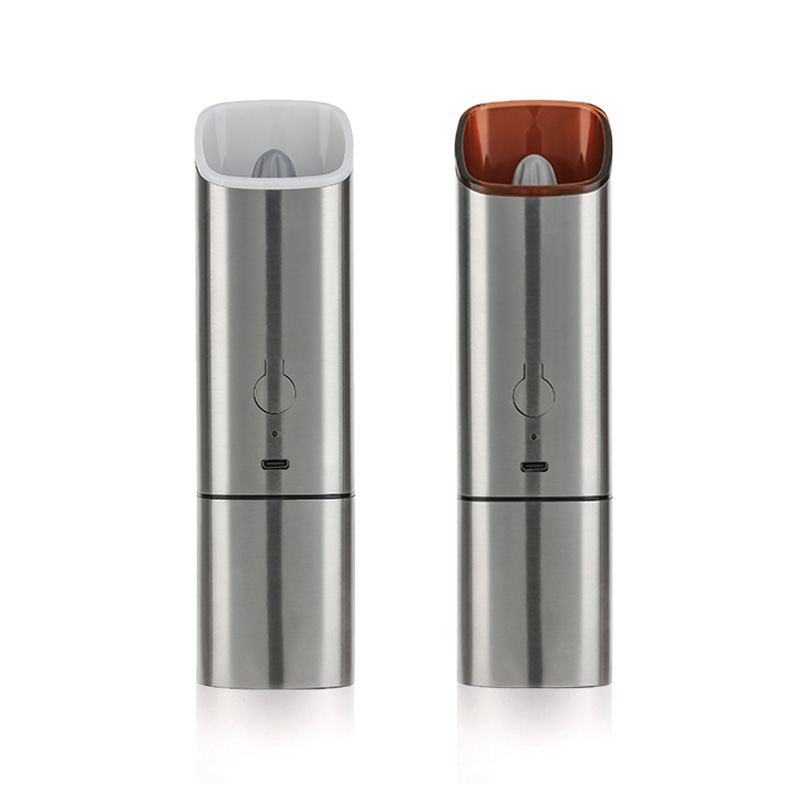 CH-01
CH-01USB Rechargeable Electric Salt Pepper Grinder
-
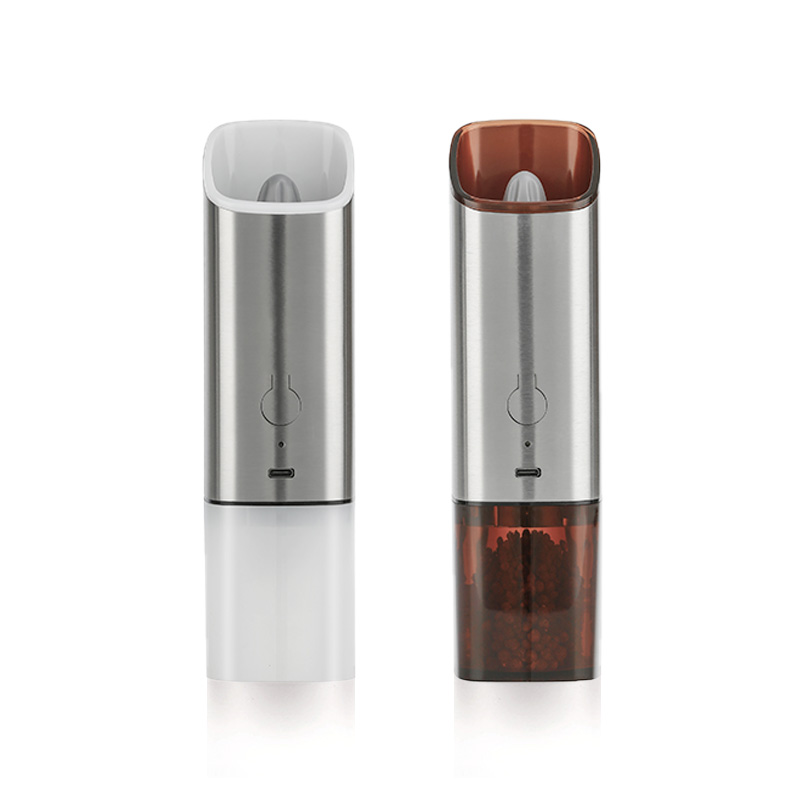 CH-01P
USB Rechargeable Electric Salt And Pepper Mill Set
-
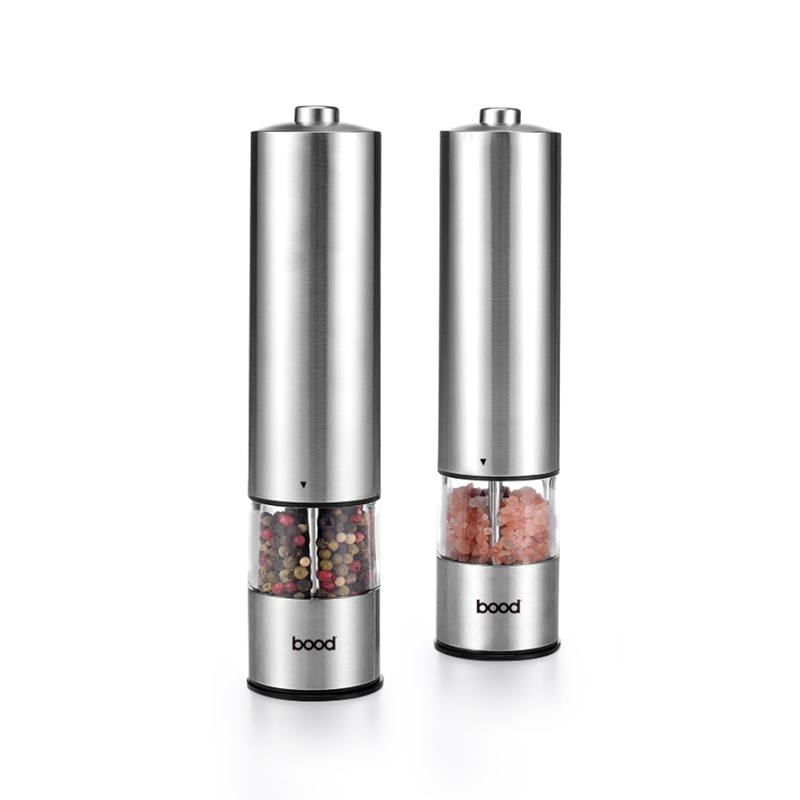 DH-00
DH-00Classy Design Electric Pepper Mill With Stainless Steel Body
-
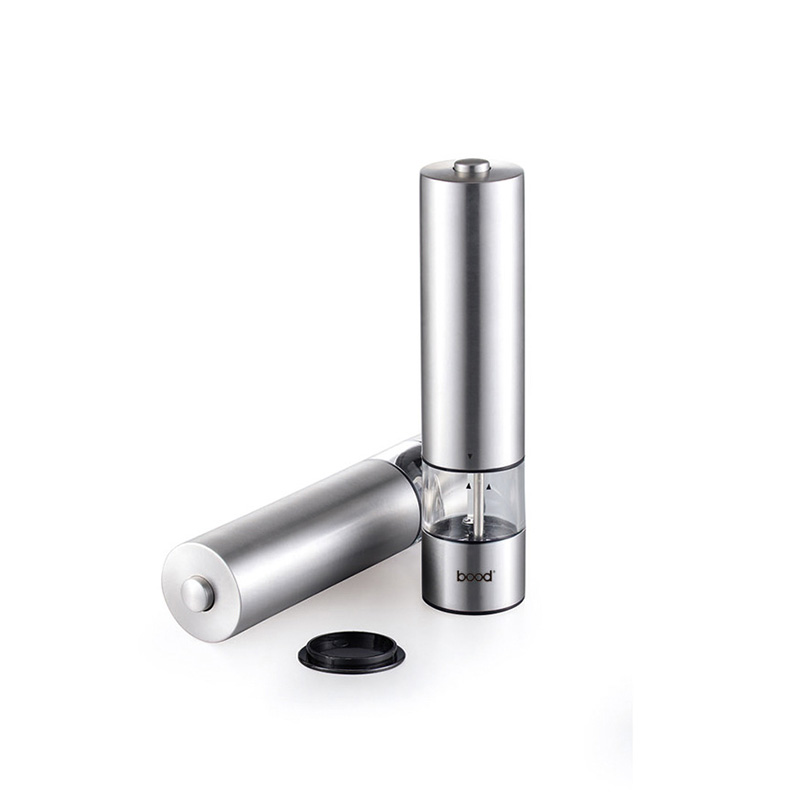 DH-01
DH-01Classic Electric Stainless Steel Salt And Pepper Grinder
-
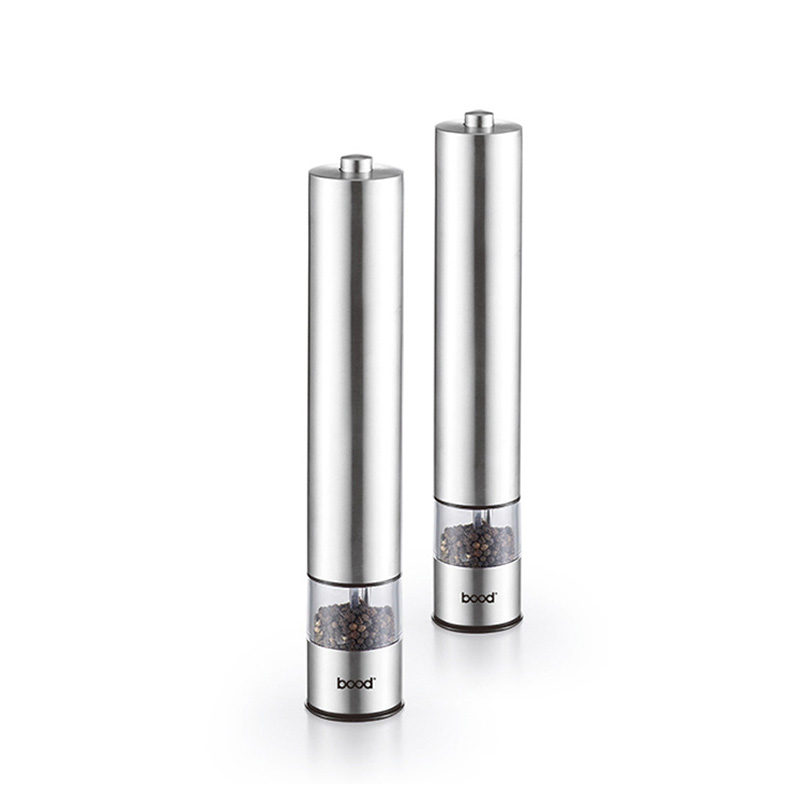 DH-01C
Electric Tall Salt and Pepper Mill Grinder with Flat Head
Copyright © Yongkang Funansheng Industry & Trade Co., Ltd.

China Pepper Grinder