


 Language
 English
 Deutsch
 日本語
日本語 Inquiry
Don't hesitate to send a message
Yongkang Funansheng Industry & Trade Co., Ltd.

+86-579-87301950

Industry News
Home / News / Industry News / Why Do Electric Salt and Pepper Grinders Behave Unexpectedly in Daily Use
Why Do Electric Salt and Pepper Grinders Behave Unexpectedly in Daily Use
Electric Salt And Pepper Grinder tools are usually introduced as a simple way to make seasoning easier during cooking. In real kitchens though, the experience can feel a bit less predictable. One moment the flow is smooth, the next it slows down or feels uneven. This is not necessarily about a fault in the device itself, but more about how small everyday factors interact during use.
In many cases, the behavior changes depending on what is inside the grinder, how it is handled, and even the surrounding kitchen environment. Cooking is rarely a controlled setting, so small shifts can easily affect how the grinder responds.
What causes uneven dispensing speed in electric salt and pepper grinders during everyday cooking
Uneven dispensing is something many people notice only after a few uses of an Electric Salt And Pepper Grinder. It usually shows up when you are mid-cooking, trying to season quickly, and suddenly the output feels slower or a bit inconsistent.
A few real-life reasons behind this:
- Salt or pepper grains don’t always flow the same way
- Slight moisture in the kitchen can make particles stick together
- Switching between different ingredients changes resistance inside the grinder
- Holding angle is not always the same when cooking in a rush
Instead of thinking of it as a fixed "speed", it helps to see it as something that reacts to conditions.
| Kitchen situation | What you might notice |
|---|---|
| Dry seasoning | Smooth and steady flow |
| Slight humidity | Occasional hesitation |
| Mixed grain sizes | Irregular output |
| Fast repeated use | Small variations in rhythm |
Most of the time, the feeling comes from the seasoning behavior rather than the motor itself.
How accidental activation can happen when placing an electric salt and pepper grinder on a kitchen counter
It sounds minor, but accidental activation is something that can surprise people during daily cooking. An Electric Salt And Pepper Grinder may start working when you didn’t intend it to, especially in a busy kitchen where things are constantly being moved around.
Common real-world situations include:
- The grinder is set down a bit too firmly on the counter
- It touches another utensil and gets slightly pressed
- It is stored in a crowded area where objects lean against it
- The activation area is sensitive to small movements
In kitchens where space is limited, this becomes more noticeable. You might hear it start briefly without meaning to, or notice seasoning spilling out unexpectedly.
Small habit adjustments can reduce this:
- Give it a dedicated spot instead of placing it among other tools
- Keep it upright and stable when not in use
- Avoid placing heavy objects near the activation area
- Store it away from edges where it can be bumped
These small changes usually make daily use feel more controlled.
What type of noise electric salt and pepper grinders make during early morning kitchen use
The sound of an Electric Salt And Pepper Grinder is not usually perceived as loud in a technical way, but timing changes everything about how it feels. In a quiet kitchen early in the morning, even a small mechanical operation becomes noticeable because there is almost nothing around it to blend into. The sound is typically a combination of a brief starting motor tone, followed by a steady grinding sound as salt or pepper moves through the mechanism, and then a slight change in pitch when the flow of seasoning becomes uneven. At the end, there is usually a softer stop sound as the motion fades out. What stands out most in this setting is not the intensity of the noise itself, but the contrast between silence and movement, which makes each stage of the operation feel more distinct than it would during busier cooking moments.
How long term use can change the sound and feel of an electric salt and pepper grinder motor
With regular use, the behavior of an Electric Salt And Pepper Grinder can shift gradually in ways that are more about feel than obvious change. The motor sound may develop a slightly different tone when starting, and the vibration during operation can feel either more noticeable or slightly less stable depending on usage patterns. The grinding action itself may occasionally feel less uniform, especially when seasoning conditions inside the chamber are not consistent, and the response when starting or stopping can seem a bit less immediate compared to earlier use. These changes are usually connected to repeated grinding activity, small residue buildup from seasoning particles, and natural mechanical wear that happens in everyday kitchen environments. In practice, the experience evolves slowly, and most differences become noticeable only when comparing how the device feels after extended use versus its earlier behavior.
Why Design and Ingredient Choices Shape the Real Use Experience of Electric Salt And Pepper Grinder
An Electric Salt And Pepper Grinder usually feels like one of those kitchen tools that just sits there until you need it, then does its job quickly. But once it becomes part of daily cooking, you start noticing small details that were not obvious at first. It is not really about how powerful it is, but more about how it behaves in real situations, when hands are busy, surfaces are crowded, and cooking happens in small rushes.
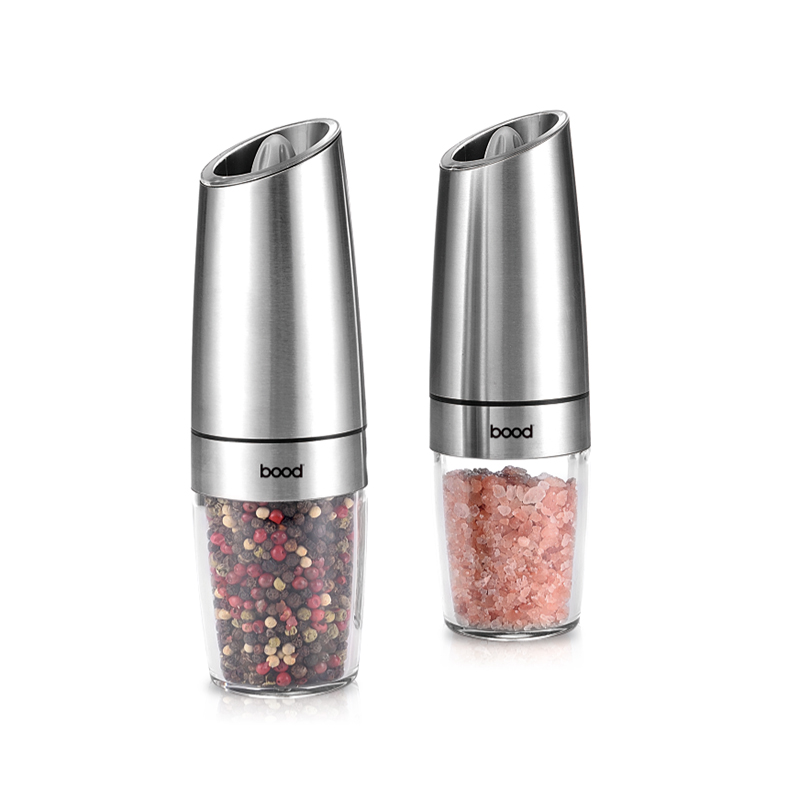
Why residue builds up around the bottom of electric salt and pepper grinders over time
After using an Electric Salt And Pepper Grinder for a while, a faint ring of powder around the base is something many people come across. It does not appear suddenly. It builds up quietly, usually in places where the grinder is often set down.
A few simple things explain it:
- A small amount of seasoning always stays inside after grinding stops
- When the grinder is placed back on the counter, tiny vibrations release leftover particles
- Fine dust spreads easily in kitchen air and settles nearby
- Any movement on the counter can slowly shift loose grains outward
It is usually more noticeable in spots where the grinder "lives" on the counter most of the time.
| Everyday situation | What you might notice |
|---|---|
| Used many times in one cooking session | Light dust around base appears faster |
| Left in one fixed spot | A soft ring gradually forms |
| Moved often between tasks | Dust spreads more widely |
| Wiped occasionally | Build-up stays lighter |
It feels less like a sudden mess and more like something that slowly appears as part of normal use.
How transparent containers on electric salt and pepper grinders change in appearance after frequent use
Clear containers are convenient because you can see the seasoning level without opening anything. But after repeated handling in a real kitchen, the surface does not always stay visually the same.
What people often start to notice over time:
- Small scratches from contact with other utensils or surfaces
- A slightly softer clarity when light hits the container
- Fingerprints or smudges showing up more easily
- Fine dust inside that makes the view less crisp
These changes usually do not affect how the grinder works, but they do change how "clean" it looks on the counter.
In daily use, it often feels like this:
- Right after cleaning, the container looks very clear
- After a few cooking sessions, it starts to look less sharp
- Under bright kitchen light, small marks become more visible
- Over time, the surface looks more used than new
It is mostly a visual shift that comes from normal handling and environment.
What spices can be safely used in electric salt and pepper grinders without affecting grinding performance
Different spices behave in very different ways once they are placed inside an Electric Salt And Pepper Grinder. Some move through the grinding mechanism with little resistance, while others tend to slow down the flow or make the output feel less consistent. In most cases, this is not about the device itself, but about how the ingredients naturally respond to pressure, friction, and movement inside a confined space.
Dry salt crystals with a stable and even structure usually pass through with little interruption. Standard peppercorns also tend to behave in a predictable way because their hardness and shape are relatively consistent. Firm dry seed-based spices can also work well when they are kept in a dry condition, and single-ingredient seasonings generally maintain a more steady flow compared to blends. On the other hand, ingredients that contain natural oil can sometimes cause particles to stick together, which affects movement inside the grinder. Softer or irregular pieces may not flow evenly, and slightly moist spices can form small clumps that interrupt the grinding rhythm. Even blended seasoning types can feel less stable if the textures inside the mix are too different from each other.
| Spice behavior | What it feels like during grinding |
|---|---|
| Dry and uniform | Steady and predictable flow |
| Mixed textures | Slight variation in output |
| Oil-rich spices | Occasional sticking or slower movement |
| Moist spices | Less smooth flow, possible hesitation |
Keeping ingredients dry and relatively consistent in size often makes the experience feel more stable during cooking, especially when the grinder is used multiple times in a short period.
Why mixed spice combinations may not grind evenly in electric salt and pepper grinders
Mixing different spices together can feel convenient in daily cooking, especially when trying to create a personal seasoning blend in advance. However, inside an Electric Salt And Pepper Grinder, each ingredient behaves differently once the grinding process begins, and this can affect how evenly the final output feels.
Because spices vary in hardness, weight, and size, they do not always move through the grinding chamber at the same pace. Over time, this difference in movement can lead to a slight separation inside the container rather than a fully uniform blend. Harder pieces tend to remain inside longer before breaking down, while softer spices move through more quickly. Lighter particles may pass through the outlet faster, which can create small differences in texture from one use to another.
In everyday cooking, this is often noticed in subtle ways. The flavor balance of the mixture may feel slightly different depending on how long the grinder is used, and the texture can vary from one grinding moment to the next. Sometimes, a light shake is needed to bring the mixture back into a more even state before use. These changes are not usually related to the device itself, but rather to how different ingredients naturally behave when they are combined in one enclosed space and processed together.
Recommended Products
-
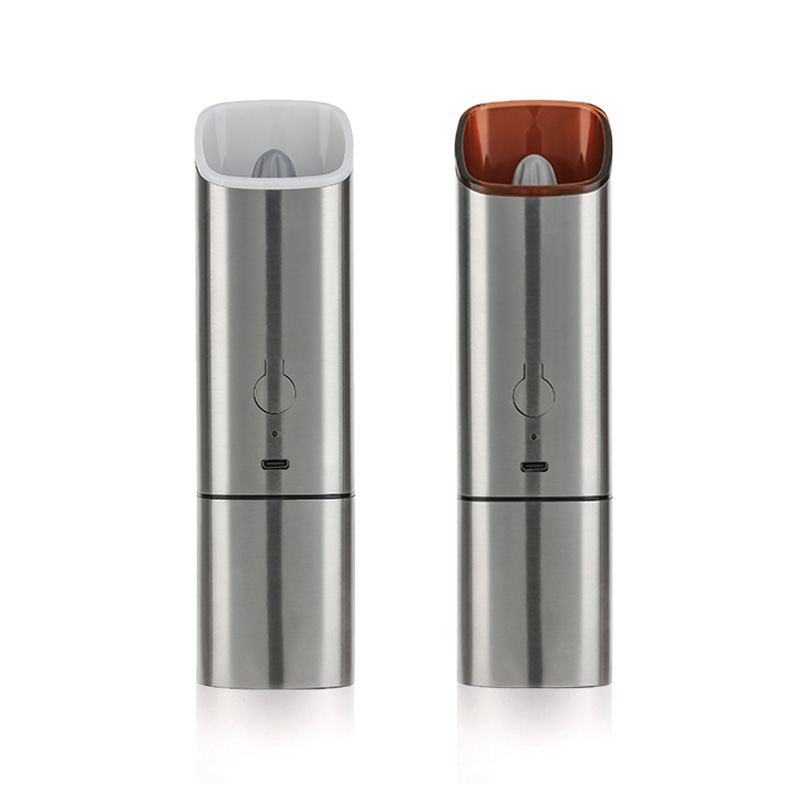 CH-01
CH-01USB Rechargeable Electric Salt Pepper Grinder
-
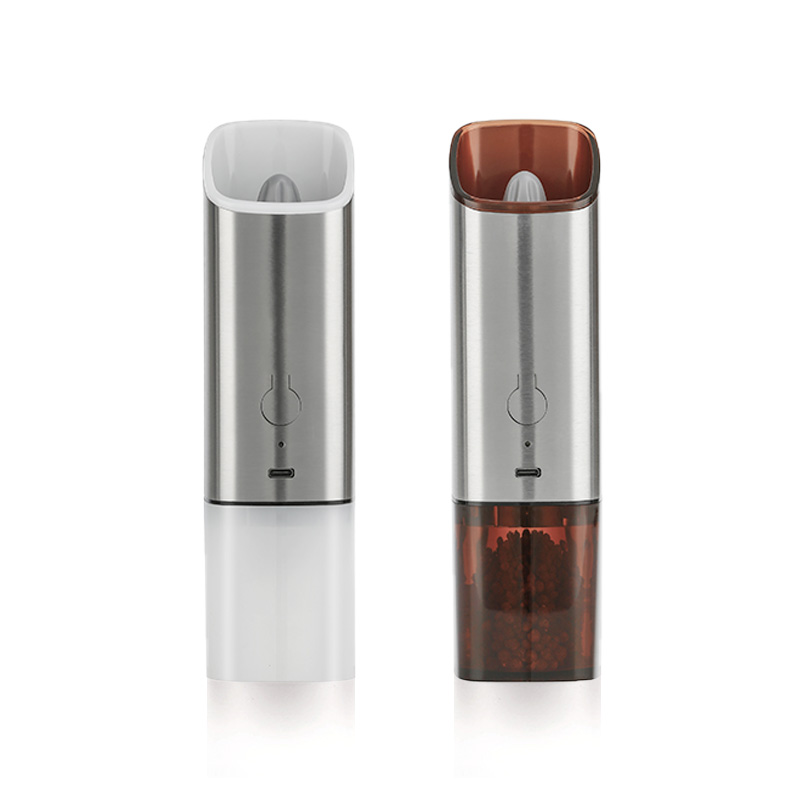 CH-01P
USB Rechargeable Electric Salt And Pepper Mill Set
-
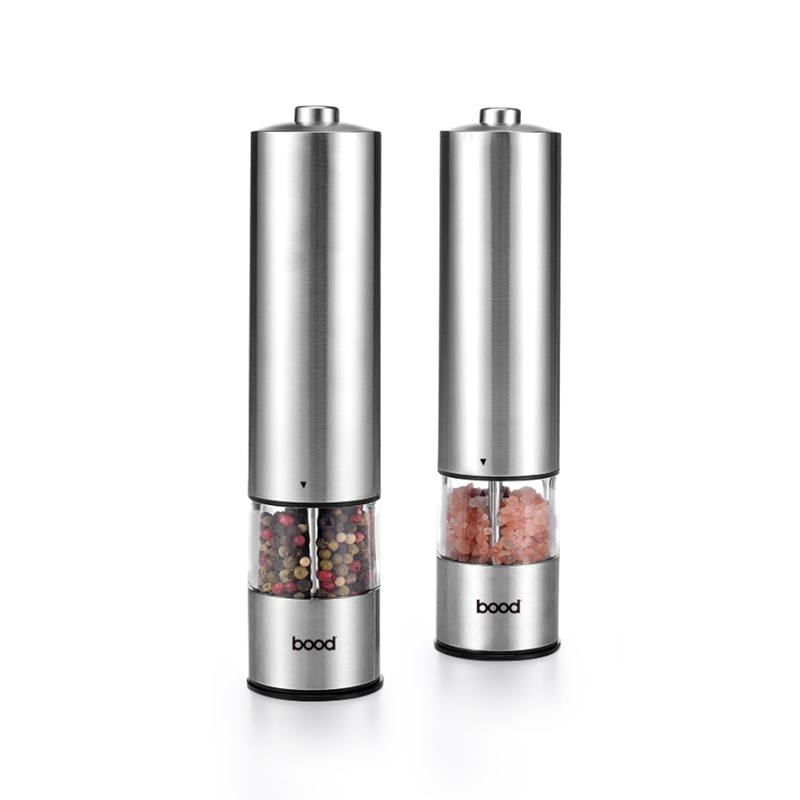 DH-00
DH-00Classy Design Electric Pepper Mill With Stainless Steel Body
-
 DH-01
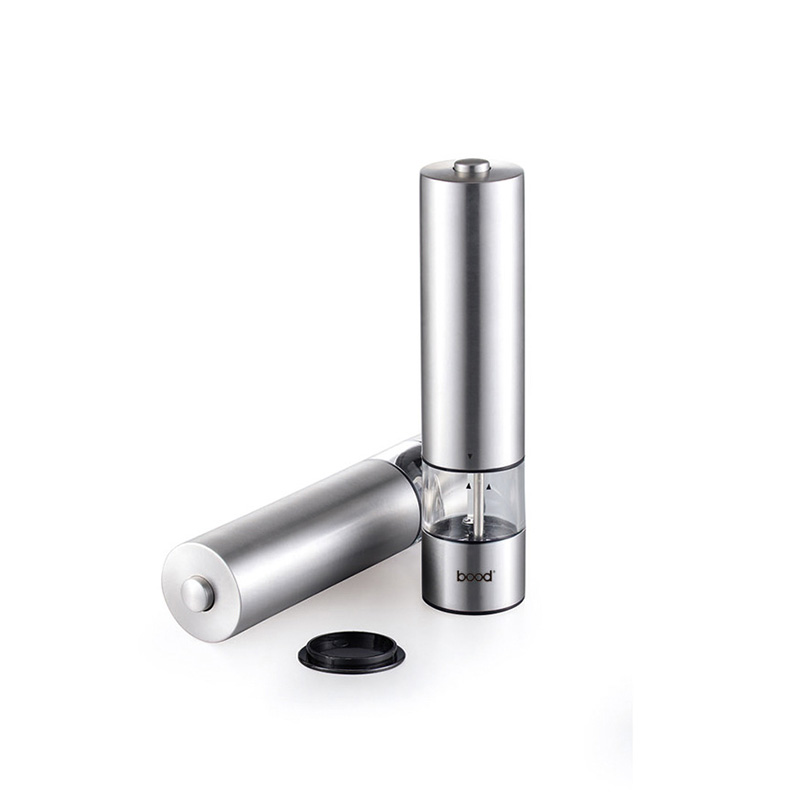
DH-01Classic Electric Stainless Steel Salt And Pepper Grinder
-
 DH-01C
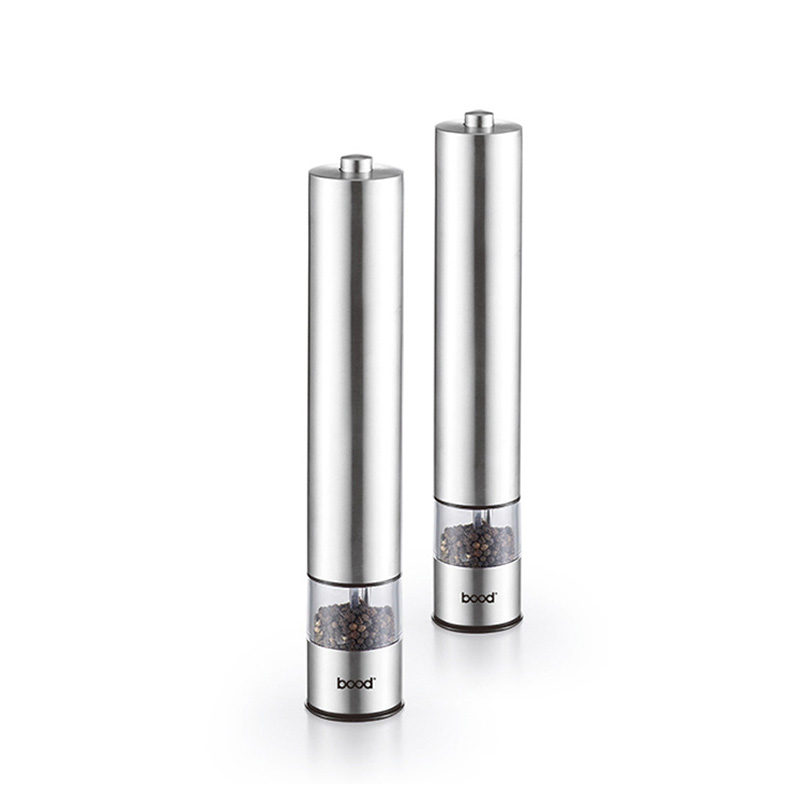
Electric Tall Salt and Pepper Mill Grinder with Flat Head
Copyright © Yongkang Funansheng Industry & Trade Co., Ltd.

China Pepper Grinder