


 Language
 English
 Deutsch
 日本語
日本語 Inquiry
Don't hesitate to send a message
Yongkang Funansheng Industry & Trade Co., Ltd.

+86-579-87301950

Industry News
How to Clean Pepper Mills to Avoid Spice Residue Buildup
The grinding gets harder. A faint smell from last month's spice lingers even after refilling. The mechanism jams partway through a turn, or the output drops to a fine trickle when it used to flow freely. These are not signs of a failing product — they are signs of accumulated residue that was never cleared. Every Pepper Mill Manufacturer understands this problem, because it is one of the most common reasons a well-made grinder underperforms long before its mechanical life is over. The issue is rarely the mill itself. It is what builds up inside it when cleaning is skipped or done incorrectly. Residue in a grinder accumulates in layers. Spice oils coat the burr surfaces. Fine powder packs into the gaps between grinding teeth. Humidity causes clumping that hardens over time. For home users, this means degraded flavor and inconsistent grind size. For food service operations or anyone managing multiple units — including those evaluating products from a China Pepper Mill supplier — it means hygiene risk, cross-contamination between spice types, and shortened product lifespan. The cleaning method matters. So does how often it happens.
Why Spice Residue Builds Up Faster Than Most Users Expect
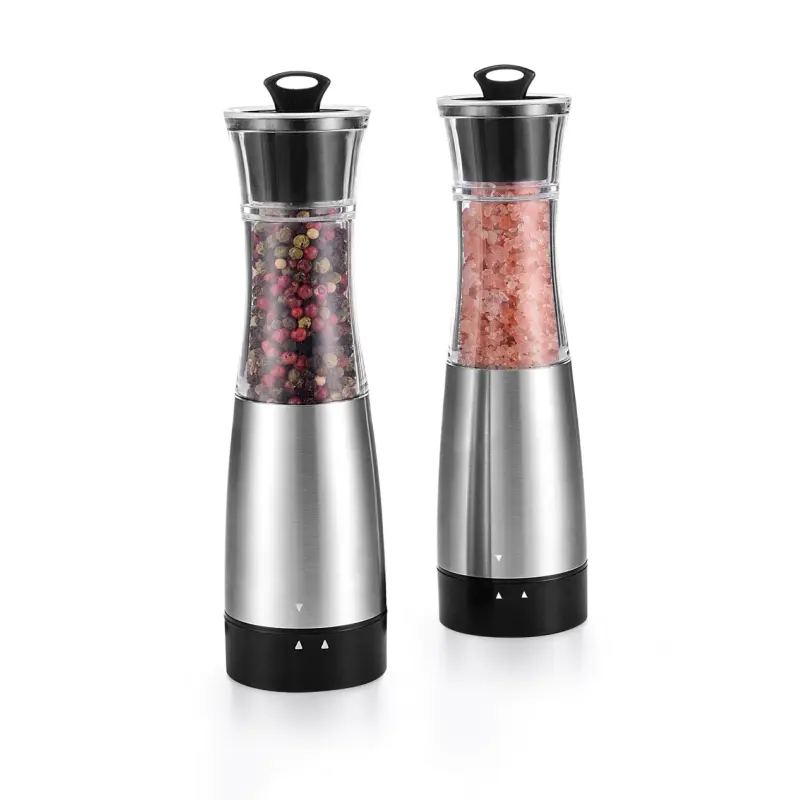
What Is Actually Happening Inside the Grinding Mechanism?
The interior of a grinder is not a smooth, easily rinsed space. Burr mechanisms — whether ceramic or steel — have textured surfaces specifically designed to grip and fracture spice particles. Those same surfaces trap residue. Every time the mill is used, a thin film of volatile oils from the spice is deposited on the burr faces. Dry powder settles into the grooves between teeth. Over repeated uses without cleaning, those deposits compact.
The problem compounds with moisture. Steam from a pot, condensation in a humid kitchen, or even the ambient humidity of a coastal climate all introduce water vapor into the mill body. That moisture combines with spice oils and fine powder to create a paste-like residue that is much harder to dislodge than dry particles alone. In a Portable Pepper Mill carried in a bag or pocket, the warmth and pressure of daily handling accelerates this process.
Not every spice behaves the same way inside the mechanism. Black pepper leaves relatively dry residue. Chili-based spices carry more volatile oil and stain burr surfaces more aggressively. Dried herbs with fine, fibrous particles pack into gaps differently than whole peppercorns. Understanding what is being ground helps predict how quickly residue builds and which cleaning method will be effective.
Dry Cleaning Methods That Work Without Risking the Mechanism
Can You Clean a Grinder Without Water at All?
For most grinder types — and particularly for any mill where the grinding mechanism cannot be fully disassembled and dried quickly — dry cleaning is the safer and more practical approach. Water introduced into a mechanism that cannot be thoroughly dried afterward creates conditions for rust on steel components, swelling in wooden parts, and mold growth in enclosed spaces.
The uncooked rice method
This is one of the more widely used dry cleaning approaches and works by using hard, dry grains to physically scrub residue from the burr surfaces as they pass through the mechanism.
Steps:
- Empty the mill completely of remaining spice.
- Add a small amount of uncooked white rice — enough to fill the hopper partially, not to pack it tightly.
- Grind the rice through the full mechanism into a waste container.
- Repeat once or twice until the output from the rice runs clean without visible discoloration or spice smell.
- Discard all ground rice output — do not use it in cooking.
The abrasive texture of rice grains removes surface oil deposits and loosens compacted fine powder. It does not sanitize the interior, but it restores mechanical performance and reduces flavor carryover between refills.
The coarse salt method
Coarse, non-iodized salt works similarly to rice but with added absorbency. Salt draws moisture and oil from the burr surface as it grinds through.
- Use coarse salt rather than fine — fine salt can pack into gaps rather than clearing them.
- Grind through a small amount and discard the output completely.
- Do not leave salt sitting in the mechanism for extended periods; it can accelerate corrosion on steel components.
Brush cleaning for accessible mechanisms
For grinders where the burr assembly can be accessed without full disassembly — common in many Portable Pepper Mill designs with removable tops — a small, stiff-bristled brush removes dry residue from burr surfaces directly.
- A clean pastry brush, a small bottle brush, or a dedicated grinder brush all work.
- Brush in the direction of the burr grooves to push residue out rather than packing it deeper.
- Wipe the interior walls of the hopper with a dry cloth after brushing.
When and How to Use Water in the Cleaning Process
Which Parts of a Pepper Mill Can Actually Be Washed?
The answer depends on the construction of the specific mill. Generically, the external body — especially on Plastic Pepper Mill formats where the housing is sealed — can be wiped with a damp cloth. The grinding mechanism is a different matter.
Ceramic burrs can tolerate water exposure better than steel mechanisms. They do not rust, and with proper drying, washing a ceramic burr under running water is feasible. The condition is that the component must be completely, thoroughly dry before the mill is reassembled and used. Even residual moisture in the burr assembly will cause the next spice charge to clump and compact around the mechanism, making the original problem worse.
Steel grinding mechanisms should not be soaked or rinsed unless the product specifications explicitly confirm that the steel is treated to resist corrosion. For most standard steel burr designs, moisture is the enemy of long-term performance.
A practical cleaning sequence for mills where wet cleaning of removable components is appropriate:
- Disassemble the mill to the extent the design allows — typically removing the top cap and lifting out the burr assembly.
- Rinse removable components under warm water without using soap, which can leave residue of its own.
- Use a small brush to remove any particles that water alone does not dislodge.
- Set all components on a dry cloth and allow them to air dry fully — do not reassemble while any moisture is present.
- Wipe the mill body with a lightly damp cloth and dry immediately.
Material-Specific Cleaning Considerations
Different materials used in grinder construction have different cleaning tolerances. A single cleaning routine applied to all mill types will work well on some and create problems on others.
| Material | Water Tolerance | Key Cleaning Consideration |
|---|---|---|
| Ceramic burr | Good | Can be rinsed; must be fully dried before reassembly |
| Steel burr | Lower | Avoid soaking; dry immediately if moisture contact occurs |
| Plastic body (standard) | Good | Wipe with damp cloth; avoid submerging mechanism area |
| Wood body | Lower | Wipe only; sustained moisture causes swelling and cracking |
| Acrylic or glass body | Good | Can be wiped or rinsed externally; do not submerge |
| Composite or coated plastic | Moderate | Check manufacturer guidance; coatings may be affected by abrasives |
For buyers evaluating product lines from a China Pepper Mill supplier, or reviewing specifications from a Pepper Mill Factory for retail or hospitality use, this material-to-cleaning tolerance mapping is worth including in product documentation. A grinder that is easy to clean correctly will have a longer effective lifespan and generate fewer post-purchase complaints.
Preventing Residue Buildup Between Cleanings
What Habits Reduce How Often Deep Cleaning Is Needed?
Prevention is genuinely more efficient than correction here. A few operational habits make a significant difference in how quickly residue accumulates and how difficult it is to remove when cleaning does happen.
Empty before refilling
Grinding the remaining spice from a mill before adding a fresh charge is a simple practice that most users skip. Mixing old residue with fresh spice is how stale flavor carryover and compacted buildup both develop. A full empty-and-grind cycle before refilling takes under a minute and significantly reduces accumulation over time.
Avoid holding the mill over steam
Grinding directly over a steaming pot introduces moisture into the hopper and mechanism with every use. The spice takes on moisture immediately, and that moisture combines with the burr surface oils to accelerate residue hardening. Grinding away from the cooking surface — then adding the ground spice to the dish — eliminates this input entirely.
Store in low-humidity conditions
For Portable Pepper Mill formats used outdoors or carried during travel, where exposure to humidity is harder to control, storing the mill in a sealed pouch or small container between uses reduces ambient moisture ingress. This is a minor change with a meaningful effect over weeks of use.
Do not overfill the hopper
A hopper packed tightly with spice does not allow the grinding mechanism to operate with consistent clearance. Overfilling compresses the spice against the burr faces and creates the starting conditions for compacted residue. Filling to a level that leaves the mechanism room to move freely is better practice than filling to capacity on every charge.
Deep Cleaning for Mills That Have Not Been Maintained
How Do You Recover a Grinder That Has Significant Buildup?
A mill that has not been cleaned in an extended period — common with Portable Pepper Mills that get used occasionally and stored between uses — may have residue that dry methods alone cannot fully address. The grinding is labored, the output tastes stale, or the mechanism locks up partway through a turn.
A recovery sequence for heavily built-up mills:
- Attempt the rice grinding method two or three times in succession before moving to any other approach.
- If the mechanism is accessible, use a brush to remove compacted material from burr surfaces between rice grinding cycles.
- If the mill design allows, disassemble the burr assembly and soak ceramic components in warm water for a short period — not extended soaking, just enough to soften hardened residue.
- Scrub with a small brush under running water if components are ceramic.
- Dry fully — several hours at least, overnight if the environment is humid.
- Reassemble and run a fresh rice grinding cycle before loading spice again.
For Plastic Pepper Mill formats with fully enclosed mechanisms that cannot be disassembled, recovery from heavy buildup is harder. The rice method is the practical limit of what can be done without tools. If the mechanism has locked from compacted wet residue, allowing the mill to dry out fully in a warm, low-humidity environment before attempting to grind again sometimes frees the mechanism without requiring any additional intervention.
How Cleaning Ease Factors Into Product Design and Purchasing Decisions
Does Cleaning Convenience Matter When Evaluating Suppliers?
It does — and it is increasingly treated as a functional requirement rather than an afterthought. A grinder that is difficult to clean correctly will accumulate residue faster, generate more complaints, and be replaced sooner than a product with comparable grinding performance but better maintenance accessibility.
From a procurement perspective, questions worth raising with a Pepper Mill Manufacturer before committing to a product line:
- Can the burr assembly be removed without tools for routine cleaning?
- What material are the burrs, and what is their water tolerance?
- Is the hopper sealed from the mechanism body in a way that prevents moisture from reaching the grinding components during normal use?
- Are replacement burr assemblies available if the mechanism wears or becomes damaged?
A Pepper Mill Factory that has built these considerations into its product design — and can answer these questions clearly — is demonstrating the kind of production thinking that translates into better long-term user experience. For buyers sourcing from a China Pepper Mill supplier for retail, hospitality, or private label, easy cleaning is a product feature worth specifying explicitly rather than assuming.
Keeping a grinder free of spice residue is not a complicated task, but it is one that rewards consistency. The methods covered here — dry cleaning with rice or salt, brush maintenance for accessible mechanisms, and controlled wet cleaning for ceramic components — address the full range of residue types that accumulate over normal use. The approach that works for a Portable Pepper Mill used daily in a professional kitchen is not identical to what is needed for a Plastic Pepper Mill used occasionally at home, but the underlying logic is the same: remove residue before it compacts, keep moisture out of the mechanism, and match the cleaning method to the material. For food service operators managing multiple units, or buyers working with a Pepper Mill Manufacturer on custom or wholesale product lines, building a cleaning protocol into product documentation from the start is what separates mills that remain in active use from those that end up replaced too soon. Yongkang Funansheng Industry & Trade Co., Ltd. produces a range of pepper mills across multiple materials and formats, with product specifications designed to support practical maintenance and long-term performance — contact the team to discuss product options or request samples suited to your application.
Recommended Products
-
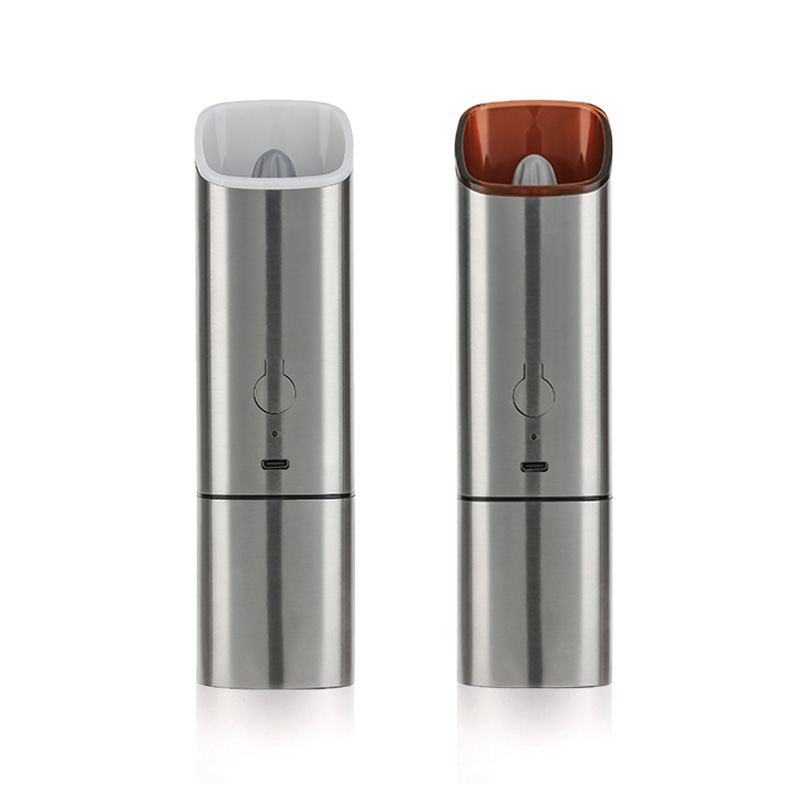 CH-01
CH-01USB Rechargeable Electric Salt Pepper Grinder
-
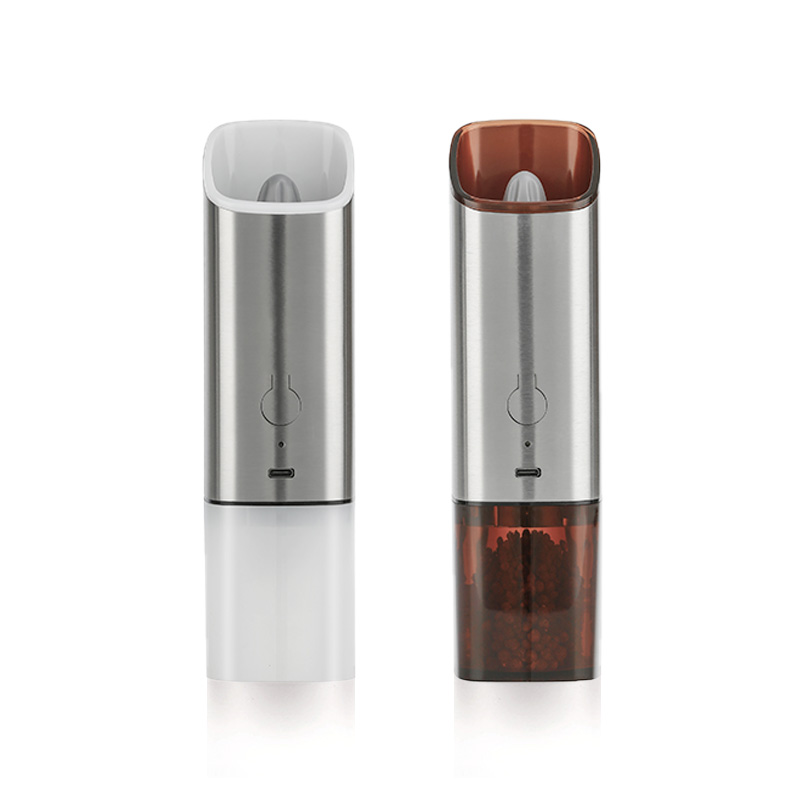 CH-01P
USB Rechargeable Electric Salt And Pepper Mill Set
-
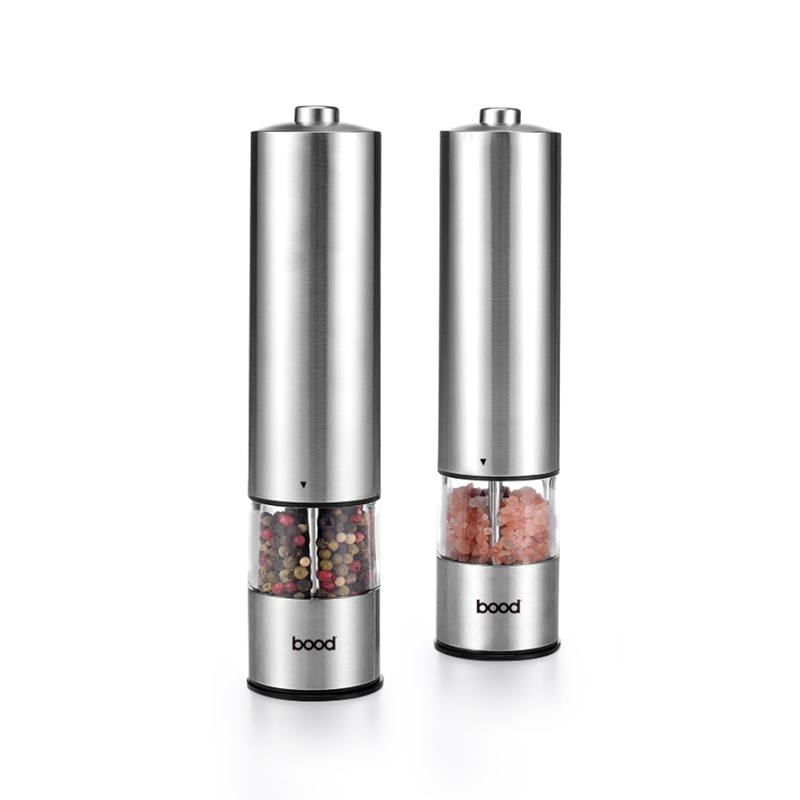 DH-00
DH-00Classy Design Electric Pepper Mill With Stainless Steel Body
-
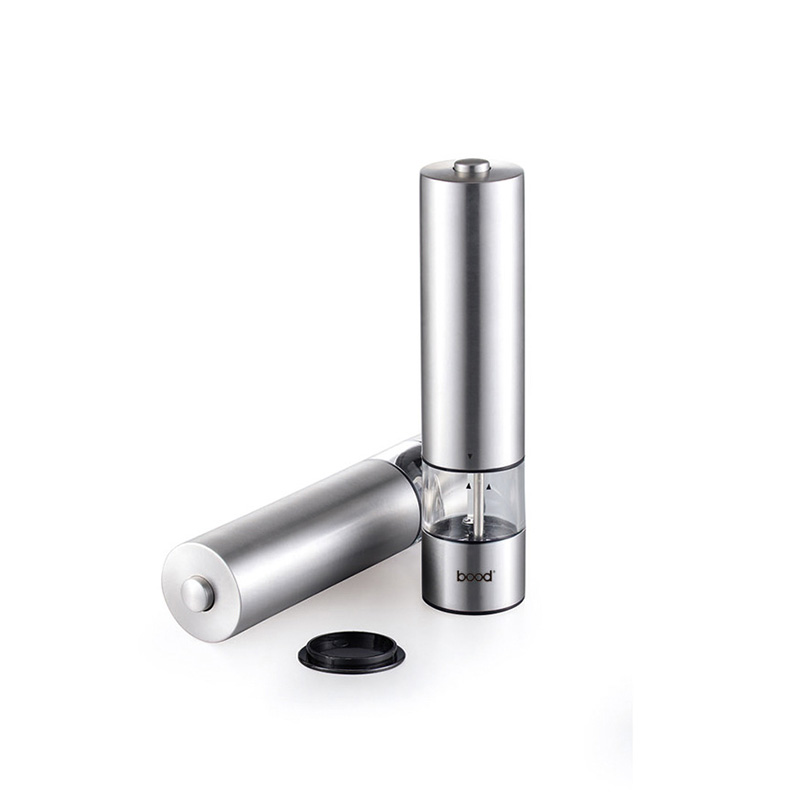 DH-01
DH-01Classic Electric Stainless Steel Salt And Pepper Grinder
-
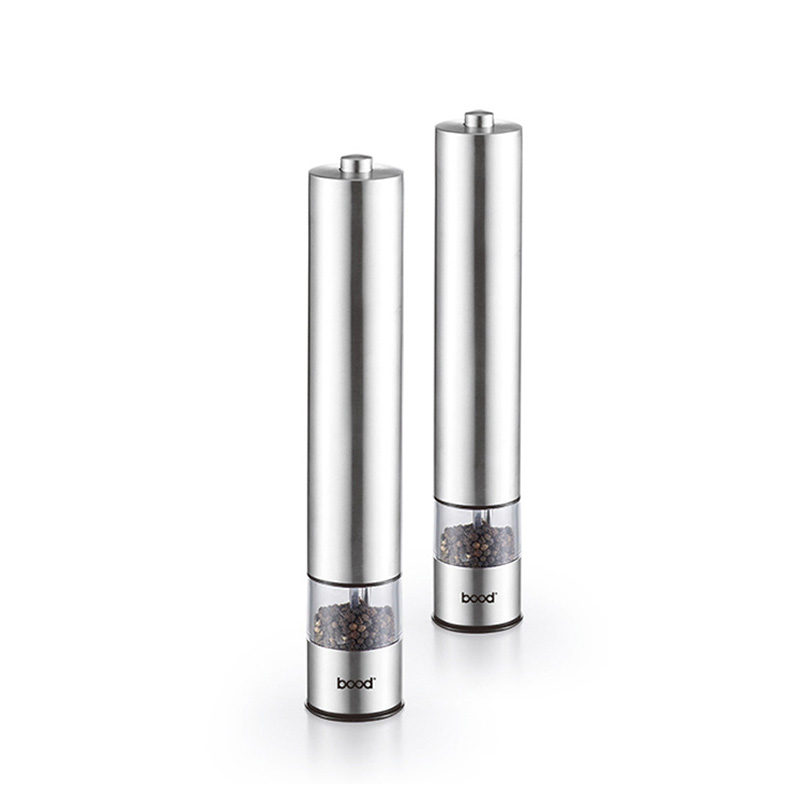 DH-01C
Electric Tall Salt and Pepper Mill Grinder with Flat Head
Copyright © Yongkang Funansheng Industry & Trade Co., Ltd.

China Pepper Grinder