


 Language
 English
 Deutsch
 日本語
 Inquiry
Don't hesitate to send a message
Yongkang Funansheng Industry & Trade Co., Ltd.

+86-579-87301950
Industry News
How Does a Stainless Steel Oil Jar Protect Cooking Oil
A bottle of oil beside a sunny window looks tidy, yet the flavor of what it holds may change faster than expected. Light, heat, air, and moisture all act on cooking oil during storage, and the container decides how much of each reaches it. A Stainless Steel Oil Jar has an opaque body that stops light from passing through its walls. Used as an Oil Jar for Kitchen storage, it keeps oil within reach while cutting one source of deterioration. The sections below explain how oil reacts to its surroundings, what the jar does and does not solve, and how to place, fill, and maintain it.
Why Storage Conditions Affect Cooking Oil
Cooking oil is made of fats that react with their surroundings, even when the oil is never heated. Light, heat, air, and moisture each play a part. Light can encourage oxidation, a reaction between oil and oxygen, and heat speeds it up. Air trapped in a partly filled container supplies more oxygen, while moisture and food particles introduce contamination.
These factors usually combine. A bottle on a sunny sill faces light and temperature swings together, and a loose lid adds air. No single feature solves all of it, so a suitable container should be paired with a cool spot, a secure lid, and careful handling.
Oils also differ. Those rich in polyunsaturated fats tend to oxidize more readily than oils with more saturated fats. Refined and unrefined oils carry different natural compounds, which changes how they respond to light and warmth. Original packaging instructions remain the first guide.
How Light Changes Oil Quality
Light can trigger photo-oxidation, in which light energy helps start reactions between oil and oxygen. The change is gradual. Oil may still look clear while its smell turns stale or its taste turns flat or bitter, and color may shift later.
A clear glass bottle on an open shelf shows the problem. The golden color is attractive, but long exposure to sunlight or strong indoor lighting gives the oil more light than a closed cupboard would. A container that blocks light removes that factor. It cannot restore old oil, and it cannot make up for poor storage elsewhere.
What a Stainless Steel Oil Jar Does
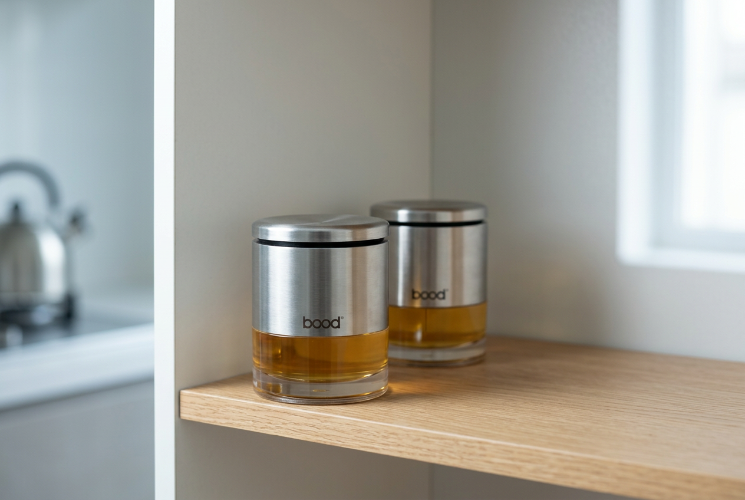
The main protective feature of a Stainless Steel Oil Jar is its opaque body. Unlike clear glass or transparent plastic, steel does not pass visible light through the wall. Oil kept on a counter or shelf for daily use is shielded from light entering through the sides, though the jar should still sit away from heat and direct sun.
The material suits kitchen duty. Steel is durable, and its non-porous surface does not readily absorb oil or hold odors when cleaned properly. Protection depends on the entire container, however. Light can still enter through an open mouth or a transparent lid, so a well-fitted opaque lid matters.
| Container Type | Light Protection | Practical Note |
|---|---|---|
| Clear glass | Allows light through | Oil is visible but needs a dark location |
| Dark glass | Reduces some light | Depends on color and design |
| Transparent plastic | Allows light through | Light in weight, must be food-grade |
| Stainless steel | Blocks light through the body | Durable, but oil level is hidden |
Hidden contents are the trade-off. Checking the level means lifting the lid. A level window helps, but a transparent strip lets some light in, so its size and position deserve thought.
Features That Support an Oil Jar for Kitchen Use
An opaque wall is only one part of good storage. Several other details shape daily use.
- Secure lid: it limits air contact and keeps out dust and insects. A loose lid leaves gaps, while one that is hard to open tempts people to leave it off while cooking.
- Controlled spout: a narrow outlet directs oil into the pan, reduces spills, and helps with portions. It should be simple enough to wash so residue does not build up.
- Stable base: busy counters invite knocks, and a full jar near the stove should not tip easily.
- Easy cleaning: oil film around the lid, spout, and rim turns sticky and collects dust.
- Food-contact parts: the inner surface, seals, lid lining, and pouring parts should all be intended for food storage.
A handle can ease pouring, and a wide opening can ease washing. Capacity involves a trade-off. A small jar is light and simple to clean but needs frequent refilling, while a large one holds more yet is heavy when full and takes up space.
Matching Oil Type to Storage
| Oil Type | General Consideration |
|---|---|
| Olive oil | Keep away from strong light and heat |
| Sunflower oil | Limit light and air after opening |
| Sesame oil | Store carefully to protect aroma |
| Flaxseed oil | Often needs careful handling, sometimes refrigeration per the label |
| Coconut oil | Keep the container clean and follow label advice |
| Peanut oil | Protect from heat and long air exposure |
A steel jar suits oil moved from a large bottle into a smaller daily-use container. It does not override label instructions. An oil that needs refrigeration will not be protected by an opaque jar sitting on a warm counter. Frequency of use matters as well, since specialty oils used occasionally need closer attention to storage time.
Placing and Handling an Oil Jar for Kitchen Storage
Location counts as much as material. A closed cupboard that is cool and dry limits both light and temperature swings. A spot beside the stove or oven exposes oil to repeated heating, which speeds deterioration even when the jar blocks light. Easy reach is still worthwhile, since a jar that is hard to get to ends up left out near the cooker.
A workable routine:
- Keep the main supply where its label recommends.
- Move a manageable amount into the daily jar.
- Store the jar in a cool cupboard or similar spot.
- Close the lid after every use.
- Never return used oil or food residue to the jar.
- Check smell, appearance, and recommended use period before cooking.
Opening a container admits air each time, so a few habits help. Clean and dry the jar before refilling, since leftover residue contaminates fresh oil. Keep wet spoons and funnels out of it. A stale, bitter, or unpleasant smell suggests the oil has deteriorated, and doubtful oil is better discarded.
Choosing a Stainless Steel Oil Jar for Daily Cooking
A Stainless Steel Oil Jar suits households that want a durable, opaque container for frequently used oil. Comfort in the hand, a stable footprint, a clean pour, a lid that closes firmly, and an opening that allows washing all affect daily satisfaction. Confirm that every part, including seals and lid components, is meant for contact with food.
An Oil Jar for Kitchen use should fit the household's cooking habits, the oil being stored, and the space available. The jar limits light exposure, while cool placement, regular cleaning, and careful handling protect the oil's quality over time.
Recommended Products
-
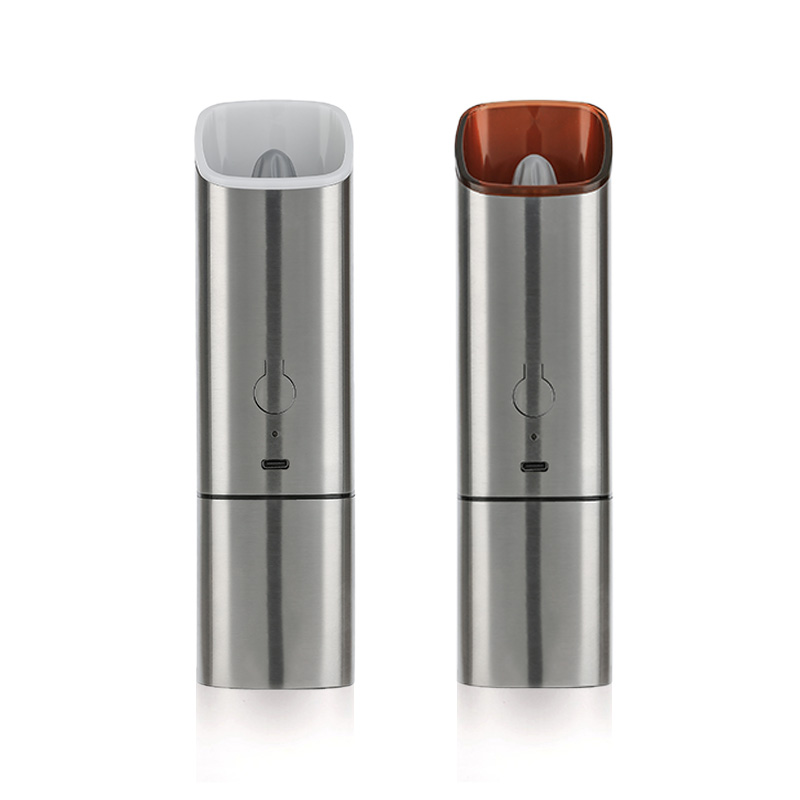 CH-01
USB Rechargeable Electric Salt Pepper Grinder
-
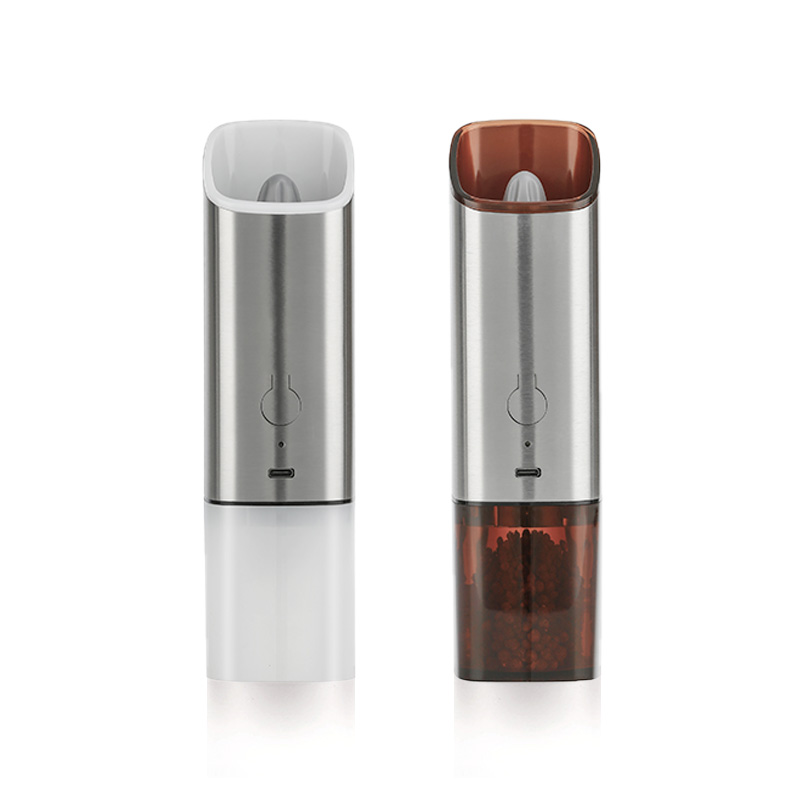 CH-01P
USB Rechargeable Electric Salt And Pepper Mill Set
-
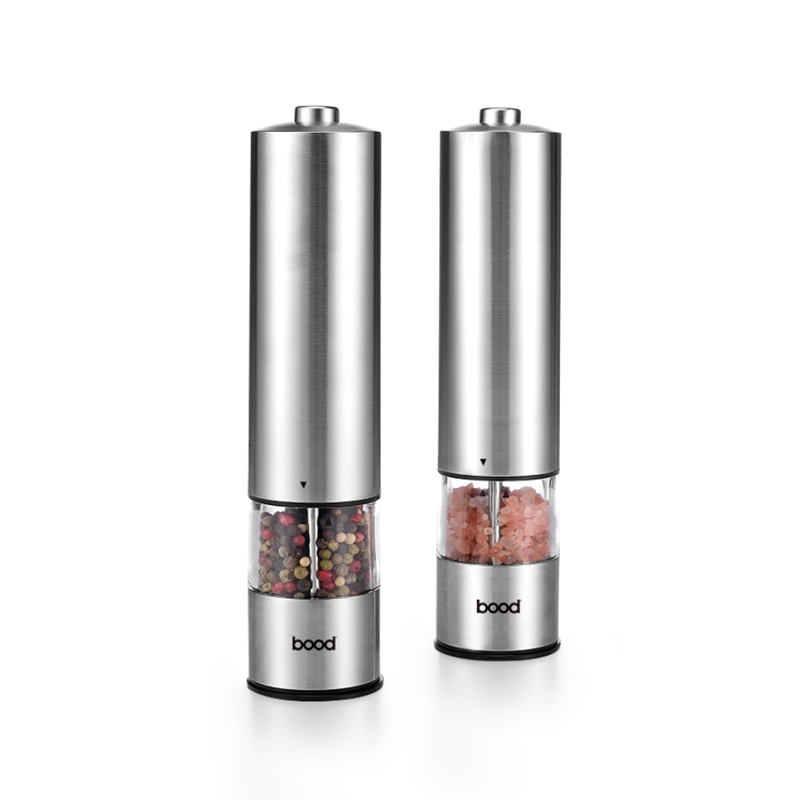 DH-00
Classy Design Electric Pepper Mill With Stainless Steel Body
-
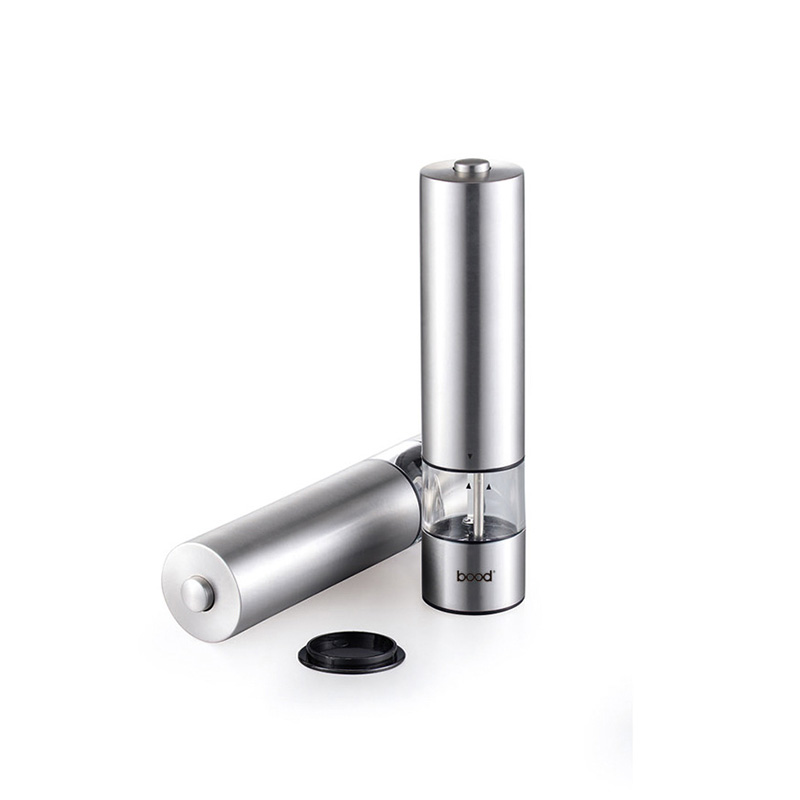 DH-01
Classic Electric Stainless Steel Salt And Pepper Grinder
-
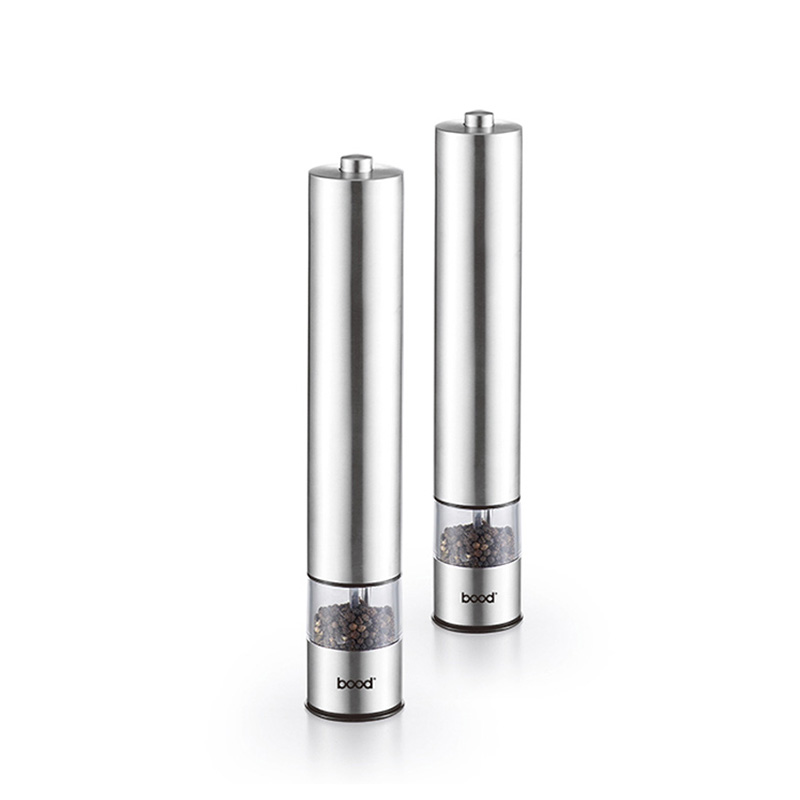 DH-01C
Electric Tall Salt and Pepper Mill Grinder with Flat Head
Copyright © Yongkang Funansheng Industry & Trade Co., Ltd.

China Pepper Grinder