


 Language
 English
 Deutsch
 日本語
日本語 Inquiry
Don't hesitate to send a message
Yongkang Funansheng Industry & Trade Co., Ltd.

+86-579-87301950

Industry News
Choosing a Portable Pepper Mill for Kitchen Use Needs
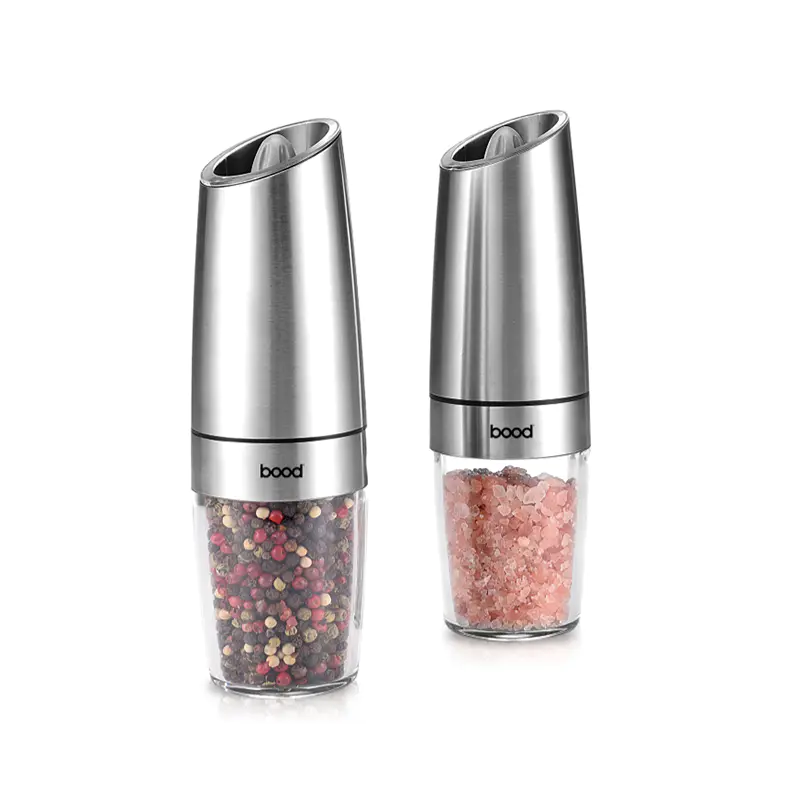
Reaching for the pepper grinder while a pan is hissing on the stove, the lights are dim, and both hands are already full of other tasks rarely goes smoothly with the wrong tool in hand. A portable pepper mill earns its place in exactly this kind of moment, since seasoning under pressure depends less on flavor theory and more on whether a cook can grip, twist, and refill a grinder without slowing down or fumbling in poor visibility. Anyone who has dropped peppercorns across a counter mid service knows the problem is rarely the seasoning itself but the equipment standing between the cook and the dish.
Why Does Seasoning Become Difficult in Busy or Dim Kitchens?
Low light strips away the visual cues a cook normally relies on, leaving touch and sound to fill in for sight. A grinder that requires careful visual alignment to operate becomes a liability the moment a kitchen dims for service or a cook is focused elsewhere.
Speed compounds the problem. During a rush, every extra second spent wrestling with a stiff mechanism or repositioning a grip pulls attention away from the pan, the plate, or the next ticket coming in. Three pressures tend to show up together in these moments:
- Reduced visibility making fine adjustments harder to judge
- Limited hand availability when one or both hands are occupied elsewhere
- Time pressure that punishes any tool requiring extended setup or fiddling
A grinder built around these constraints, instead of around appearance alone, holds up far better once it actually enters a working kitchen.
How Do Pepper Mills Affect Seasoning Speed and Control?
The grinding mechanism inside a pepper mill determines how much effort and attention a cook needs to invest per use. A stiff or inconsistent mechanism forces extra twisting motion, which becomes awkward to manage with one hand occupied by a pan or spoon.
Coarseness adjustment also plays into this. A dial or collar that can be set once and left alone suits a busy station better than a mechanism requiring frequent readjustment between dishes, since fewer interruptions during cooking translate directly into smoother workflow. Tactile feedback, such as a distinct click or resistance change at each setting, lets a cook confirm adjustments by feel instead of sight, which matters considerably once the kitchen lighting drops.
Portable Pepper Mill Designs Suit Fast Paced Kitchen Work
A portable pepper mill, built smaller and lighter than a standard counter model, fits naturally into environments where a cook needs to grab, use, and set the tool back down within seconds. Compact sizing also makes it easier to keep within reach on a crowded station instead of buried under other equipment.
Catering operations, food trucks, and outdoor service settings benefit particularly from this format, since space is limited and equipment needs to move between stations or locations without taking up unnecessary room. A few traits define why this format performs well under pressure:
These traits matter less in a slower paced home kitchen, where a larger, heavier grinder can sit on the counter without creating friction in the workflow.
Does Body Material Affect Grinding Performance and Feel?
Material choice shapes both how a grinder feels in hand and how it holds up over repeated use. A plastic pepper mill generally weighs less, which suits quick one hand operation and reduces fatigue during long service hours, while also keeping production cost lower than metal alternatives.
Metal bodied grinders generally offer a heavier, more stable feel and resist wear better over an extended service life, though that added weight can work against speed in a fast moving kitchen. Buyers should weigh these factors against the specific environment a grinder will serve:
Neither option suits every situation, and matching body material to the pace and setting of the kitchen produces better results than choosing based on appearance alone.
Manual Versus Fast Seasoning Solutions in High Volume Kitchens
Manual grinders remain common across many kitchen settings because they require no power source and offer direct control over how finely or coarsely pepper gets ground. That manual control comes with a tradeoff, however, since output speed depends entirely on how quickly a cook can twist or crank the mechanism.
High volume settings sometimes lean toward grinders built for faster output, accepting a small reduction in grind consistency in exchange for keeping pace with rapid plating demands. Choosing between these approaches comes down to whether a kitchen values precise, consistent grind size or rapid seasoning across many dishes during a short service window.
What Design Factors Influence Grinding Consistency and Ease of Use?
A handful of design details separate a grinder that performs reliably under pressure from one that becomes a source of frustration during service.
Does Grinding Fresh Pepper Matter More Under Time Pressure?
Freshly ground pepper releases more aroma and flavor than pre ground pepper sitting in a shaker, which is part of why grinders remain standard equipment even in kitchens that move quickly. That advantage only holds, however, if the grinding process itself does not slow a cook down enough to offset the benefit.
A mechanism that grinds efficiently with minimal twisting effort lets a kitchen capture that fresh ground advantage without sacrificing speed, while a stiff or inconsistent mechanism can push cooks toward skipping the step entirely during a rush, defeating the purpose of keeping a grinder on the line at all.
How Should Buyers Approach Pepper Mill Factory and OEM Sourcing?
Buyers purchasing at volume, whether for a restaurant chain, a retail private label, or a catering supply business, eventually shift from comparing individual grinders to evaluating a pepper mill factory capable of supporting that volume consistently. Production scale, material options, and customization capability become the relevant questions at this stage rather than which single model handles well on a countertop.
Working with an established pepper mill manufacturer typically opens up a few practical advantages over buying pre made stock from a general distributor:
- Branding and packaging customization for retail or restaurant identity
- Material and finish options matched to a specific price point or market segment
- Consistent quality control across large production runs
- Support for custom mechanism specifications when standard designs do not fit a particular use case
Buyers evaluating potential partners should confirm these capabilities directly rather than assuming every supplier offering pepper mills can deliver the same level of customization or consistency.
What Maintenance Considerations Matter for Bulk Deployment?
Equipment placed across many kitchens or shipped to many retail customers needs to hold up without constant intervention, which puts durability and ease of cleaning ahead of minor performance differences that might matter on a single unit. A mechanism prone to jamming or a body material that cracks under repeated handling creates support costs that scale poorly once a product line reaches wide distribution.
Buyers managing bulk deployment across multiple locations or customers should weigh a few practical questions before finalizing a specification:
- How easily the mechanism can be cleaned without disassembly tools
- Whether the body material tolerates dishwasher cycles or repeated washing
- How consistently the grinding mechanism performs across a full production batch
- Whether replacement parts or full units are easy to source if a unit fails
Addressing these questions during the sourcing stage avoids discovering durability problems only after a large order has already reached customers or kitchen locations. A short trial run with a smaller batch before committing to full volume production often surfaces issues that a written specification sheet alone cannot reveal.
Why Do Many Buyers Source From a China Pepper Mill Manufacturing Base?
Sourcing through an established China pepper mill manufacturing region offers buyers access to concentrated machining capability, material supply, and finishing processes within a single supply network, which tends to shorten development timelines for custom orders compared with coordinating separate suppliers across different regions.
Cost efficiency follows a similar pattern, since manufacturing clusters with established tooling and experienced labor can produce both standard catalog designs and custom specifications without the overhead that comes from managing fragmented supply chains. Buyers handling multiple product lines or seasonal promotional items often find it easier to work with a single supplier already equipped to support that range of requirements.
Choosing a Pepper Mill That Matches Kitchen Conditions and Sourcing Needs
Matching a grinder to the actual conditions it will face, dim lighting, fast paced service, limited counter space, or high volume turnover, tends to produce better results than selecting based on appearance or price alone. A portable, lightweight design suits busy or compact kitchens well, while a heavier metal body may serve a slower paced setting better, and material choice between plastic and metal should follow the same logic instead of personal preference alone.
Recommended Products
-
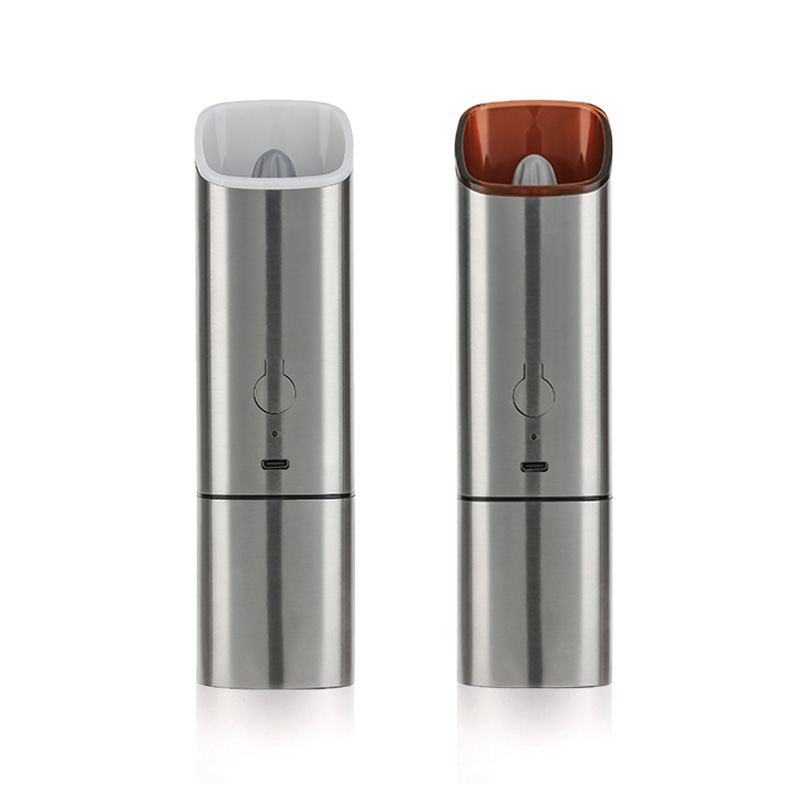 CH-01
CH-01USB Rechargeable Electric Salt Pepper Grinder
-
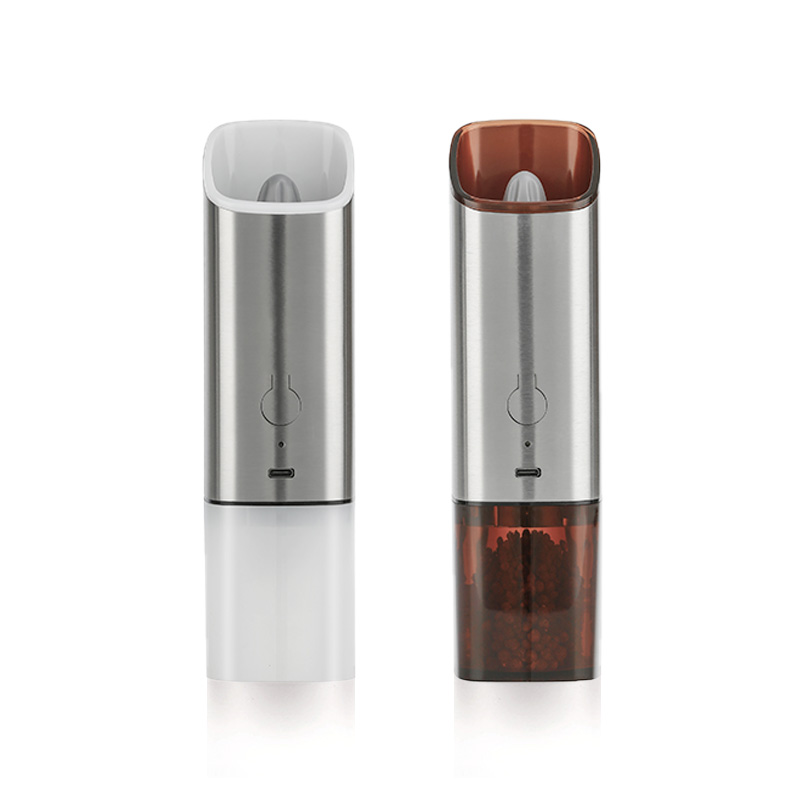 CH-01P
USB Rechargeable Electric Salt And Pepper Mill Set
-
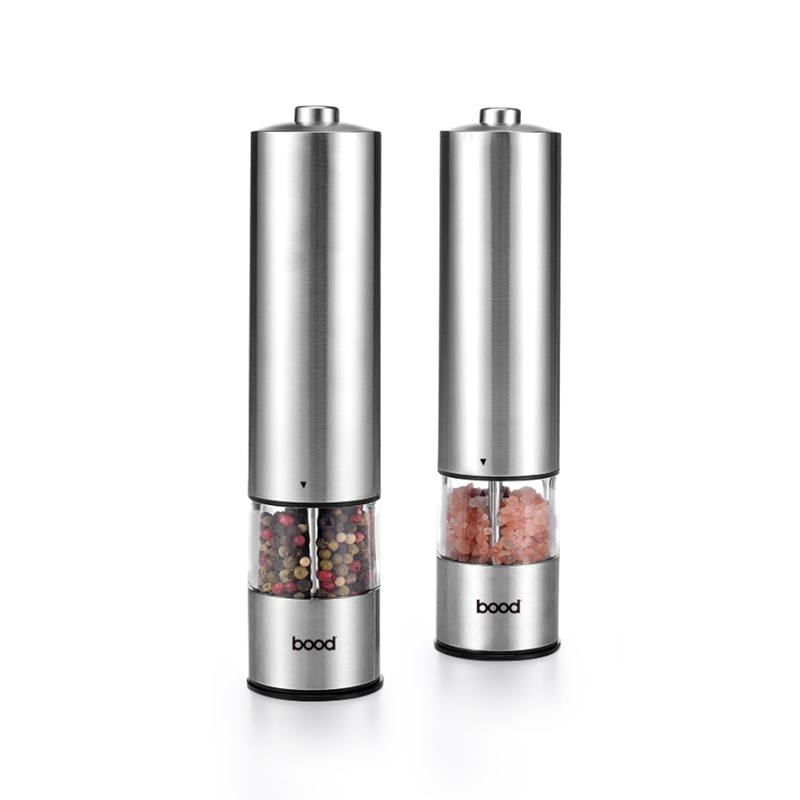 DH-00
DH-00Classy Design Electric Pepper Mill With Stainless Steel Body
-
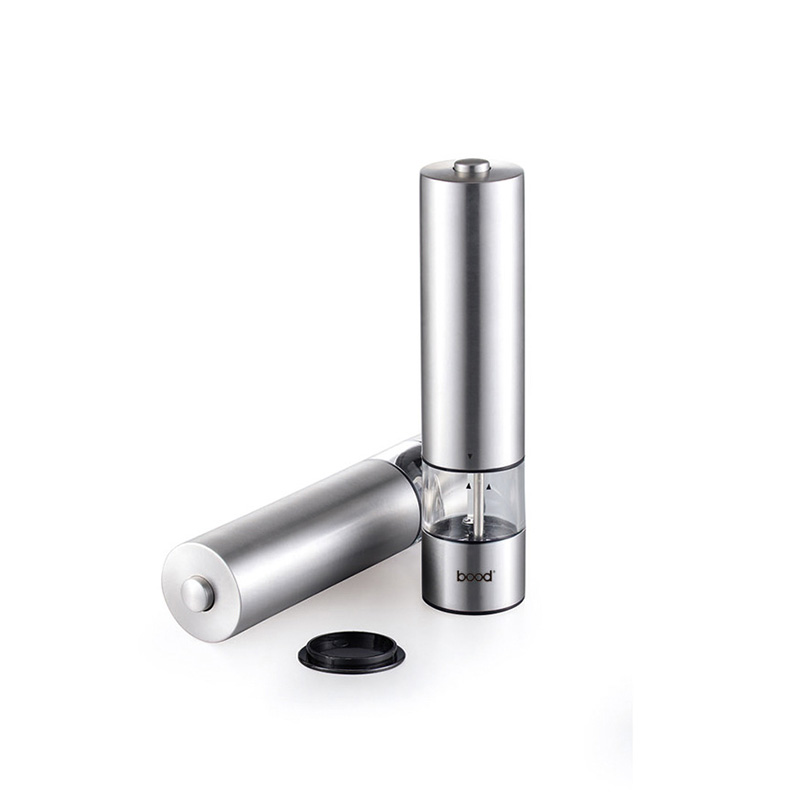 DH-01
DH-01Classic Electric Stainless Steel Salt And Pepper Grinder
-
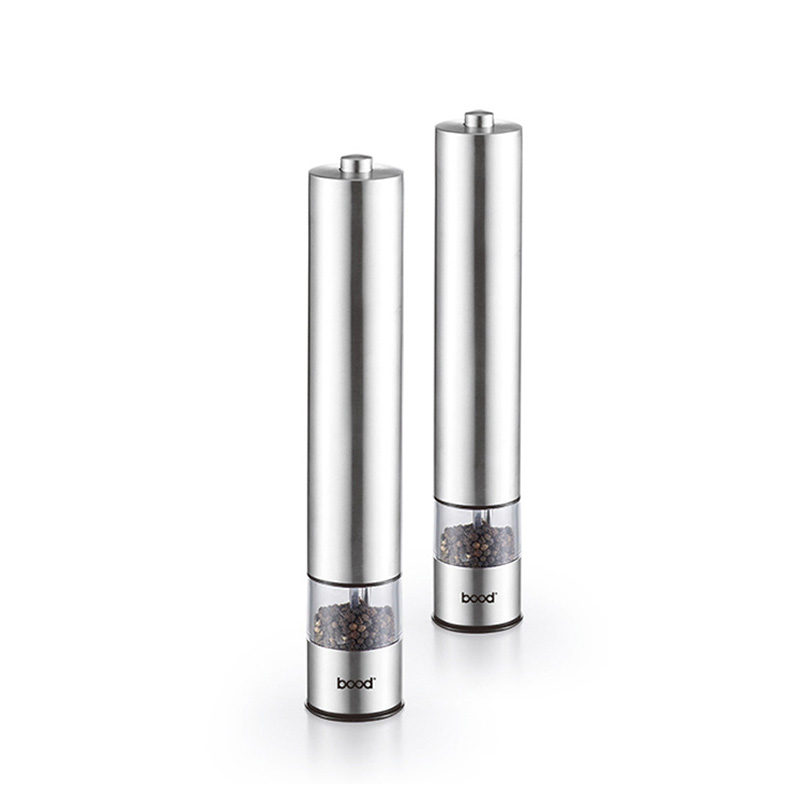 DH-01C
Electric Tall Salt and Pepper Mill Grinder with Flat Head
Copyright © Yongkang Funansheng Industry & Trade Co., Ltd.

China Pepper Grinder