


 Language
 English
 Deutsch
 日本語
日本語 Inquiry
Don't hesitate to send a message
Yongkang Funansheng Industry & Trade Co., Ltd.

+86-579-87301950

Industry News
How Are Manual Pepper Grinders Made and Designed?
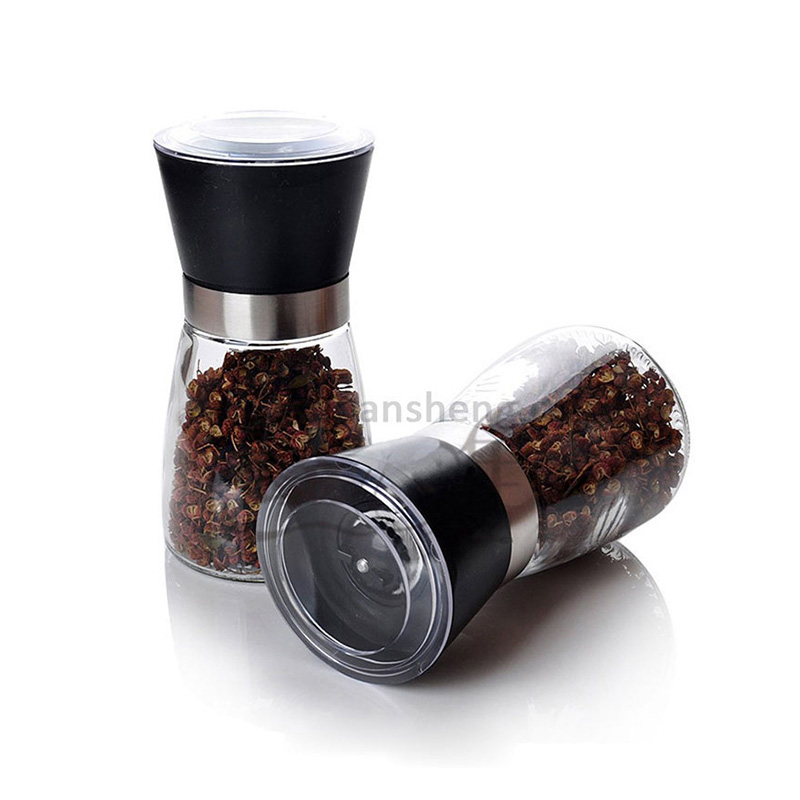
A Manual Pepper Grinder is a versatile kitchen tool that allows users to grind peppercorns on demand, preserving flavor and aroma. Unlike pre-ground pepper, a manual grinder gives control over coarseness and freshness, making it a preferred choice in homes and restaurants. Behind its simple appearance lies careful design, material selection, and manufacturing processes.
Structure and Key Components
A typical Manual Pepper Grinder consists of a body, a grinding mechanism, and a handle or knob for rotation. The body is usually made from materials like wood, stainless steel, or acrylic, while the grinding mechanism is made of ceramic or stainless steel for durability and consistent performance.
The design ensures ease of use and refill. Many grinders include adjustable coarseness settings, allowing users to choose fine, medium, or coarse pepper. Some models have transparent bodies to monitor pepper levels, combining functionality with visual appeal.
Material Selection
Materials are crucial in ensuring durability and grinding efficiency. Wood bodies offer a traditional aesthetic, but they require protective coatings to resist moisture and wear. Metal bodies, including stainless steel or aluminum, provide corrosion resistance and sturdiness. Ceramic grinding elements are resistant to rust and wear, while stainless steel components handle tougher peppercorns without dulling.
In manufacturing a Manual Pepper Grinder, careful selection of materials ensures that each unit performs reliably over time.
Grinding Mechanism
The grinding mechanism is the core of a Manual Pepper Grinder. Ceramic grinders provide smooth operation and long-lasting sharpness, while steel mechanisms offer strength for heavy-duty use. Precision engineering ensures even, consistent grinding and prevents slippage during use.
Adjustable mechanisms allow users to control coarseness. Factories must ensure that these mechanisms are aligned correctly within the grinder body to maintain smooth rotation and consistent performance.
Ergonomics and Handling
User comfort is another key consideration. A well-designed Manual Pepper Grinder fits comfortably in hand, with smooth rotation and balanced weight. Handles are shaped for grip and ease of use, reducing strain during repeated grinding. Manufacturers often prototype and test ergonomics to ensure a satisfying experience for both home cooks and professionals.
Maintenance and Care
A Manual Pepper Grinder requires minimal maintenance. The body can be wiped clean, while the grinding mechanism can be brushed or cleaned with dry rice to remove leftover spices. Regular care maintains grinding efficiency and extends the lifespan of the grinder.
Factories typically provide instructions for cleaning and maintenance, ensuring customers understand how to preserve performance.
Customization Options
Manufacturers of Manual Pepper Grinders offer a wide range of options, from body material and color to mechanism type and decorative finishes. Some designs include branded logos or unique patterns, appealing to restaurants, gift markets, and home kitchens. This customization allows factories to meet diverse market demands.
A Manual Pepper Grinder combines thoughtful design, durable materials, and precise engineering to provide fresh, flavorful pepper with ease. From the robust grinding mechanism to ergonomic design and low-maintenance care, every detail contributes to a functional and enjoyable kitchen tool. Understanding the production and design of manual grinders highlights the craftsmanship and technical considerations behind this simple yet essential cooking accessory.
Recommended Products
-
 CH-01
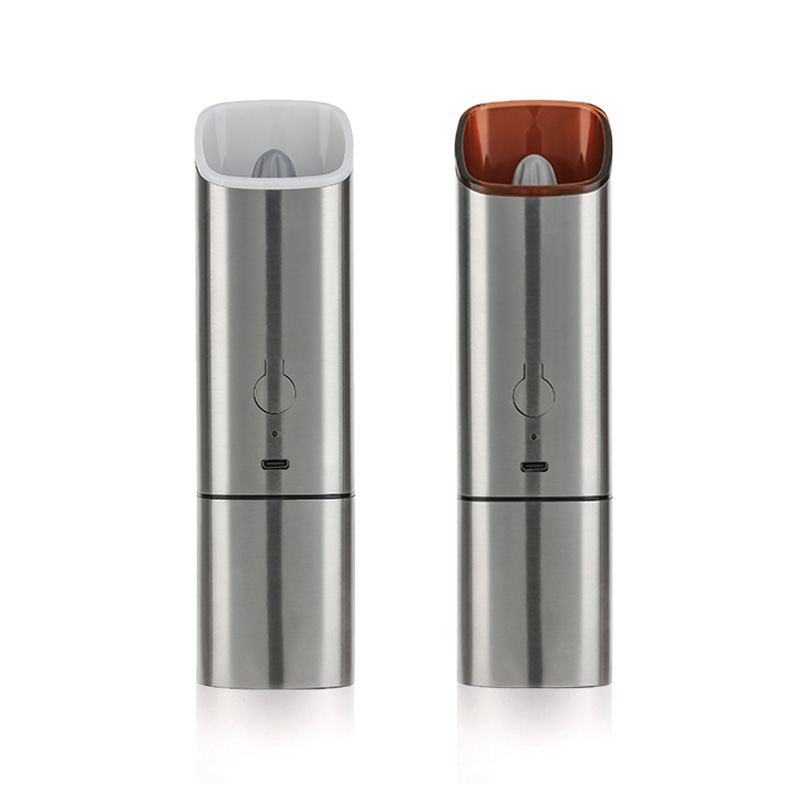
CH-01USB Rechargeable Electric Salt Pepper Grinder
-
 CH-01P
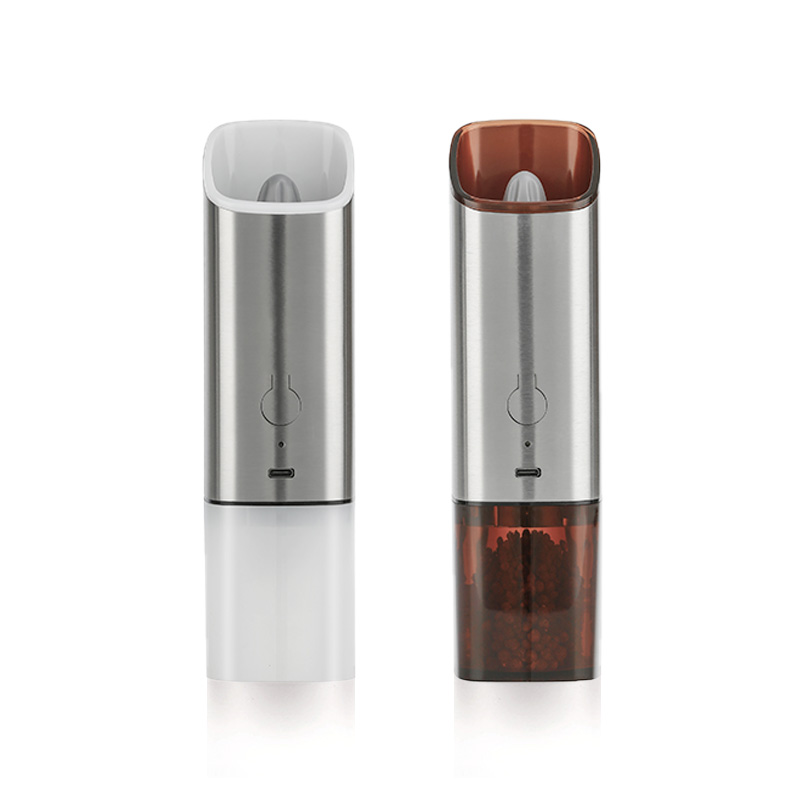
USB Rechargeable Electric Salt And Pepper Mill Set
-
 DH-00
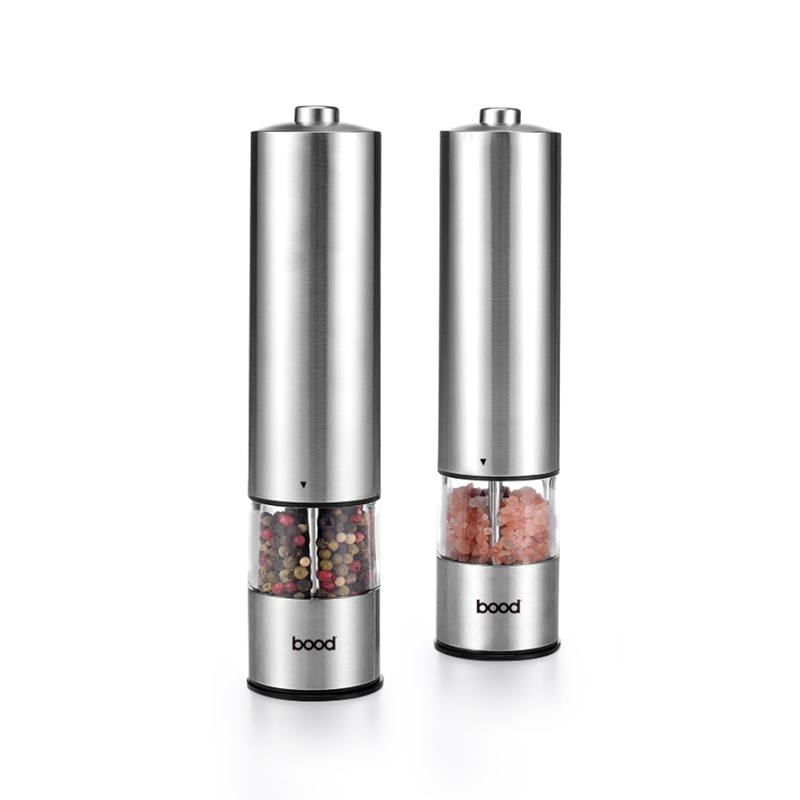
DH-00Classy Design Electric Pepper Mill With Stainless Steel Body
-
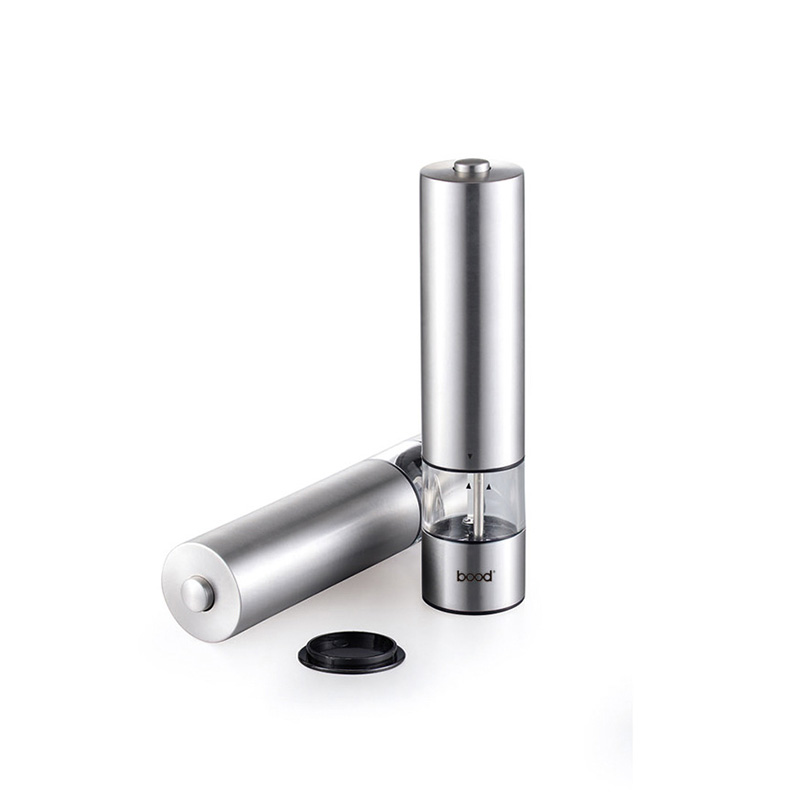 DH-01
DH-01Classic Electric Stainless Steel Salt And Pepper Grinder
-
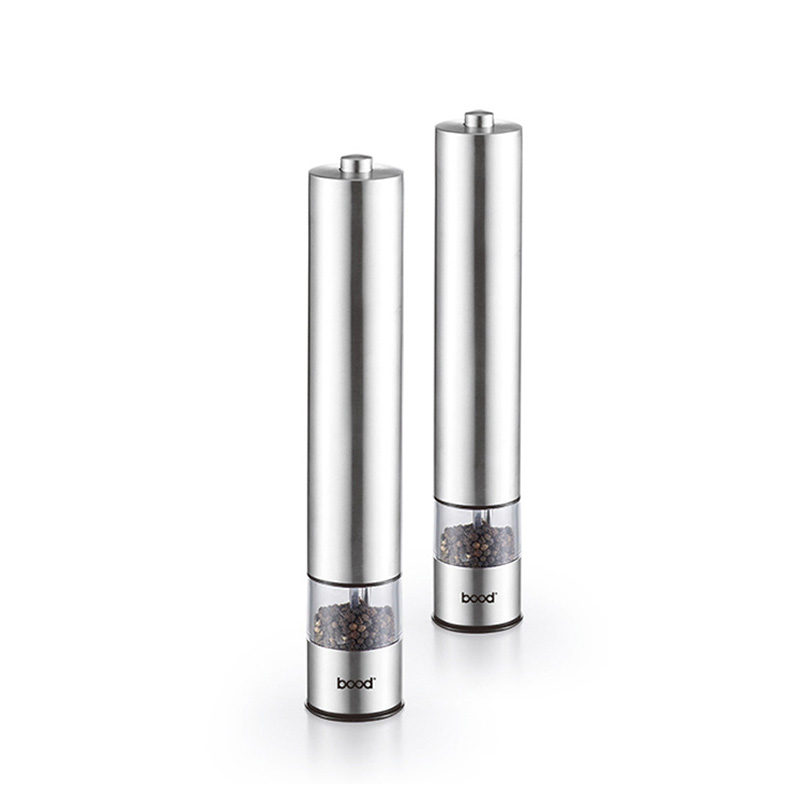 DH-01C
Electric Tall Salt and Pepper Mill Grinder with Flat Head
Copyright © Yongkang Funansheng Industry & Trade Co., Ltd.

China Pepper Grinder