


 Language
 English
 Deutsch
 日本語
日本語 Inquiry
Don't hesitate to send a message
Yongkang Funansheng Industry & Trade Co., Ltd.

+86-579-87301950

Industry News
Can a Pepper Mill Factory Support Custom Designs and Private Labels?
Pepper mills are a familiar item in kitchens, restaurants, and dining tables around the world. While the product itself looks simple, its performance and durability depend heavily on how it is made. Behind every grinder is a Pepper Mill Factory that combines material selection, precise manufacturing, and practical design to create a reliable everyday tool.
A Pepper Mill Factory is responsible for the full production process, from raw materials to finished grinders ready for market. This includes shaping the body, assembling grinding mechanisms, finishing surfaces, and conducting functional checks. Factories may produce manual or electric pepper mills, serving different usage preferences and market needs.
Manufacturers also balance appearance with usability. Pepper mills are often visible on dining tables, so design details such as shape, texture, and color matter just as much as grinding performance.
Materials and Component Selection
Material choice plays a major role in how a pepper mill performs over time. Common body materials include wood, stainless steel, acrylic, and ceramic. Each offers different benefits in terms of appearance, durability, and weight. Grinding mechanisms are typically made from ceramic or carbon steel, selected for consistent grinding and resistance to wear.
A professional Pepper Mill Factory evaluates how these materials interact during daily use. Smooth rotation, controlled grinding output, and resistance to moisture are all considered during design and production.
Manufacturing and Assembly Process
The production process in a Pepper Mill Factory involves multiple stages. Wooden bodies may be turned and polished, metal bodies are machined and finished, and transparent parts are molded and refined. Grinding cores are produced separately and assembled with springs, shafts, and adjustment knobs.
Assembly accuracy is essential. Even slight misalignment can affect grinding consistency or user comfort. Factories usually rely on standardized procedures combined with manual inspection to ensure each unit functions as intended.
Quality Control and Functional Testing
Quality checks are a key part of pepper mill production. Factories test rotation smoothness, grind adjustment accuracy, and structural stability. Some checks involve repeated grinding cycles to ensure components perform reliably over time.
A reliable Pepper Mill Factory also inspects surface finishing to prevent sharp edges, uneven coatings, or visual defects. These steps help ensure the product meets both functional and visual expectations before packaging.
Customization and Private Label Options
Customization has become increasingly important in this product category. Many buyers look for unique shapes, finishes, or branding to stand out in retail or hospitality markets. A flexible Pepper Mill Factory can offer private label services, including logo engraving, custom colors, packaging design, and tailored product dimensions.
Such customization allows distributors, retailers, and restaurant suppliers to align products with their brand identity or market positioning without investing in their own manufacturing facilities.
Applications and Market Demand
Pepper mills are widely used in households, restaurants, hotels, and catering services. Their steady demand makes them a stable product category for kitchenware suppliers. By working with an experienced Pepper Mill Factory, buyers can ensure consistent supply, stable quality, and adaptable production capacity.
Different markets may favor different styles. Some prefer traditional wooden mills, while others lean toward modern stainless steel or minimalist designs. Factories that understand these preferences can adjust production accordingly.
Long-Term Cooperation and Value
A dependable Pepper Mill Factory offers more than just production capacity. Clear communication, stable quality standards, and flexible order handling contribute to long-term cooperation. This helps buyers reduce supply chain risks and maintain consistent product offerings.
Over time, collaboration between buyers and manufacturers can lead to improved designs, smoother production planning, and better alignment with market trends.
A Pepper Mill Factory plays an essential role in transforming simple materials into functional kitchen tools used every day. Through careful material selection, precise manufacturing, consistent quality control, and flexible customization, factories support the needs of brands, distributors, and end users alike. Choosing the right manufacturing partner ensures that pepper mills remain reliable, practical, and visually appealing across different markets.
Recommended Products
-
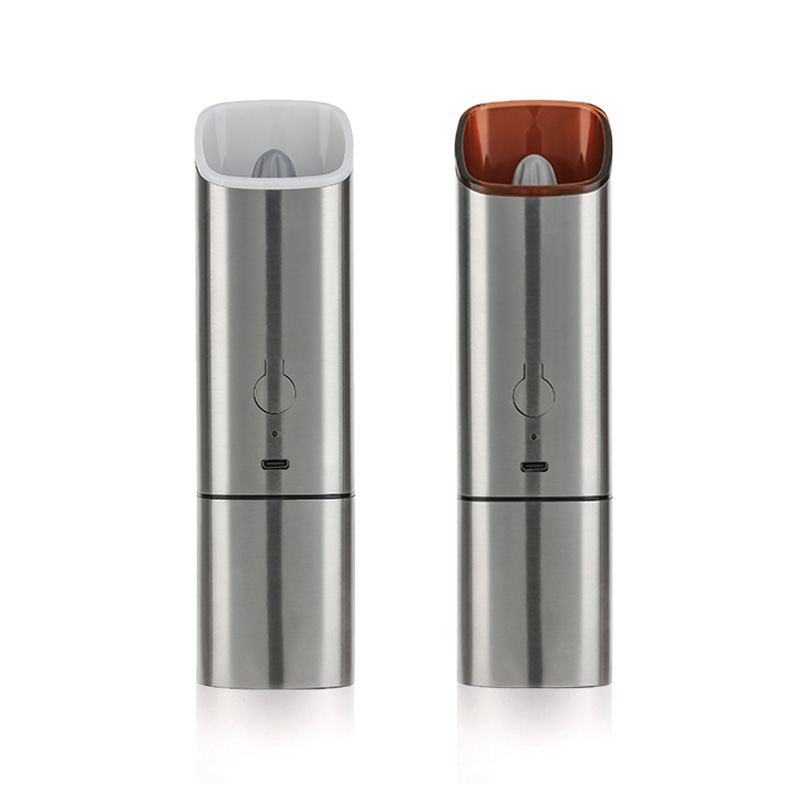 CH-01
CH-01USB Rechargeable Electric Salt Pepper Grinder
-
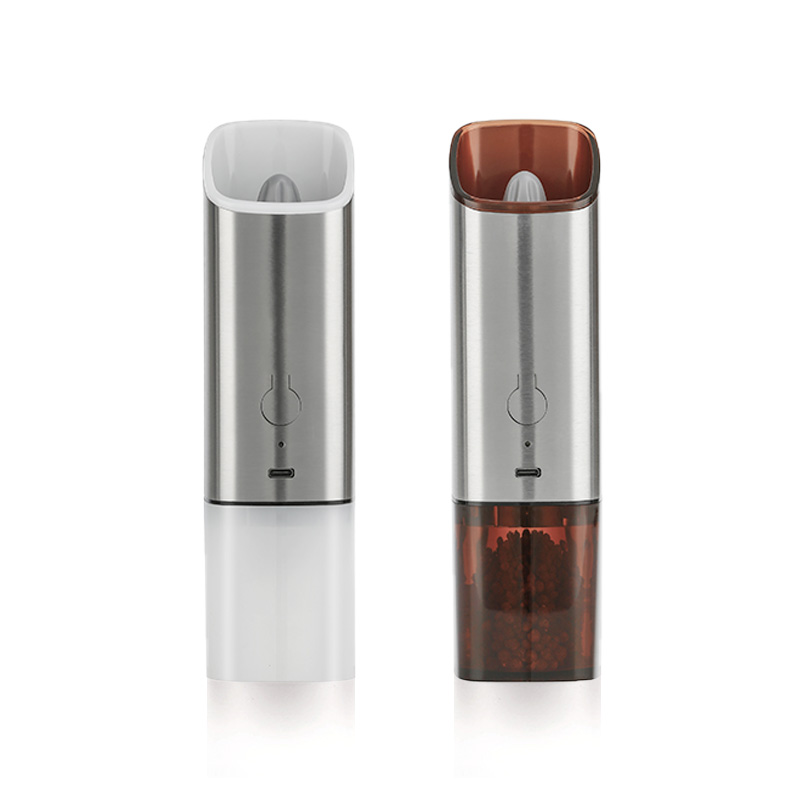 CH-01P
USB Rechargeable Electric Salt And Pepper Mill Set
-
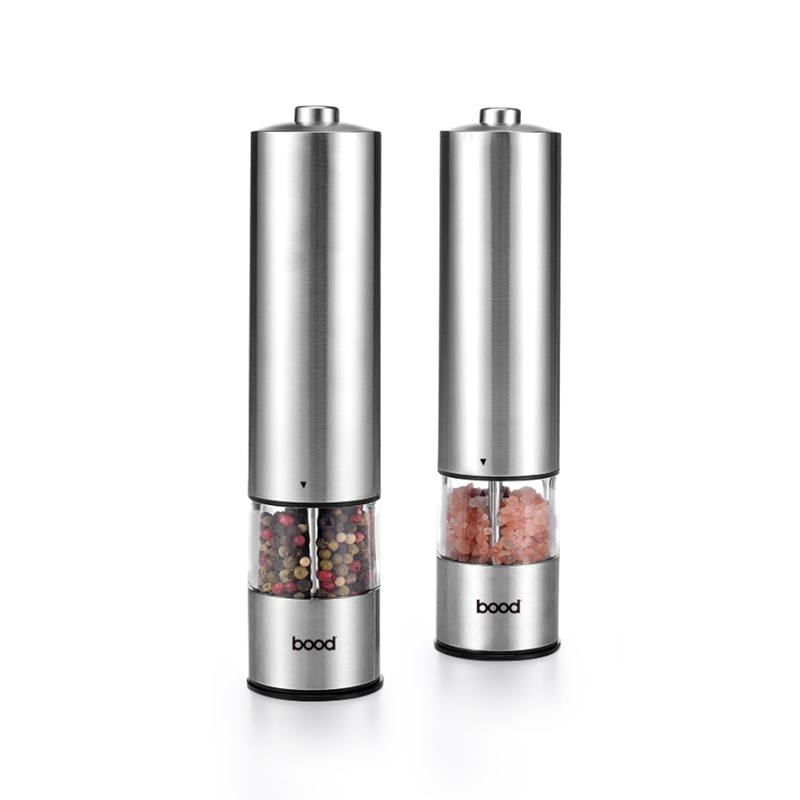 DH-00
DH-00Classy Design Electric Pepper Mill With Stainless Steel Body
-
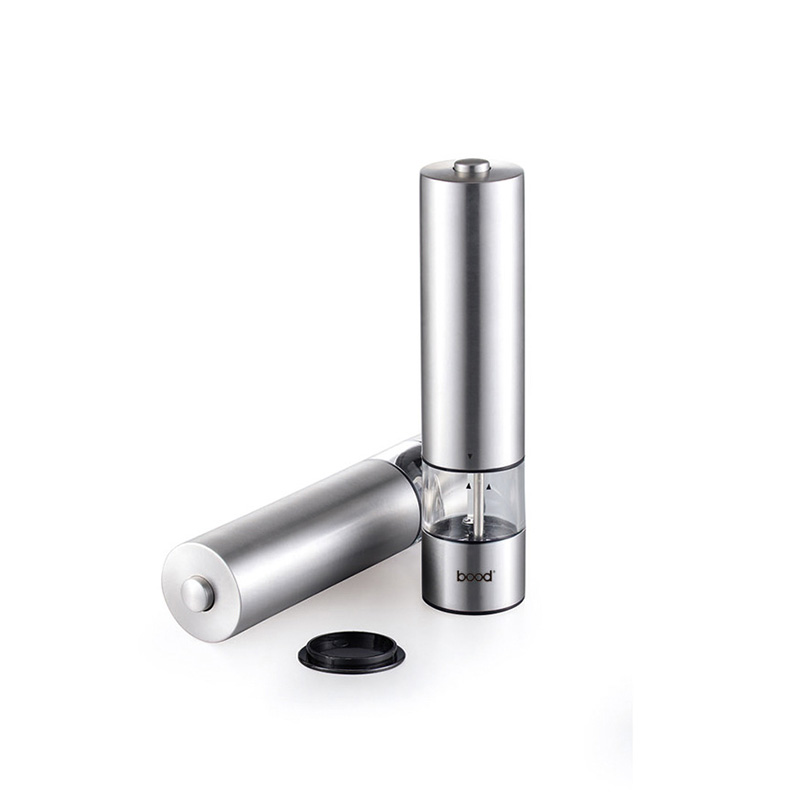 DH-01
DH-01Classic Electric Stainless Steel Salt And Pepper Grinder
-
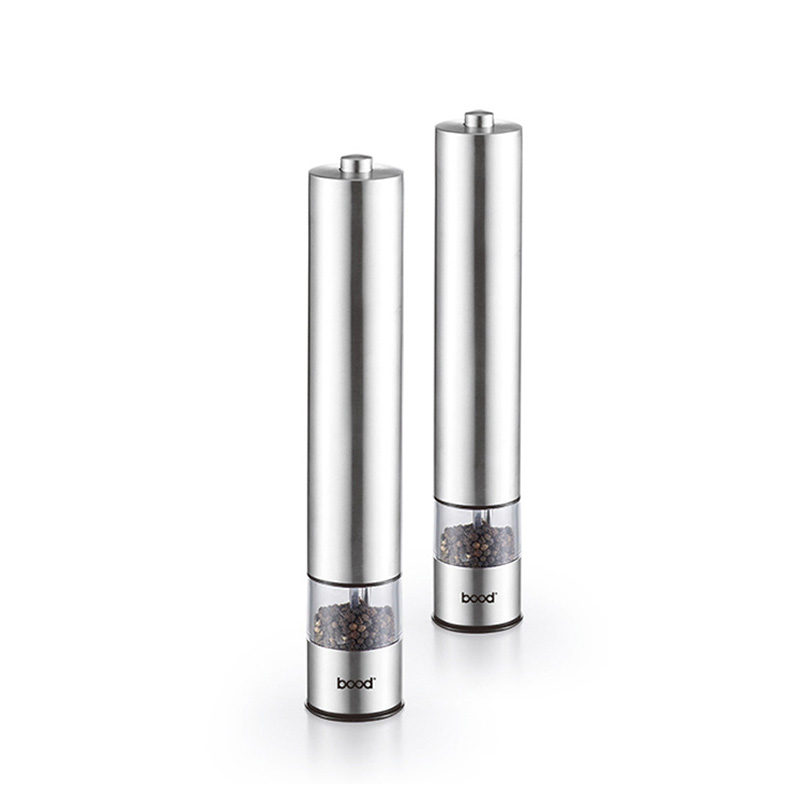 DH-01C
Electric Tall Salt and Pepper Mill Grinder with Flat Head
Copyright © Yongkang Funansheng Industry & Trade Co., Ltd.

China Pepper Grinder